
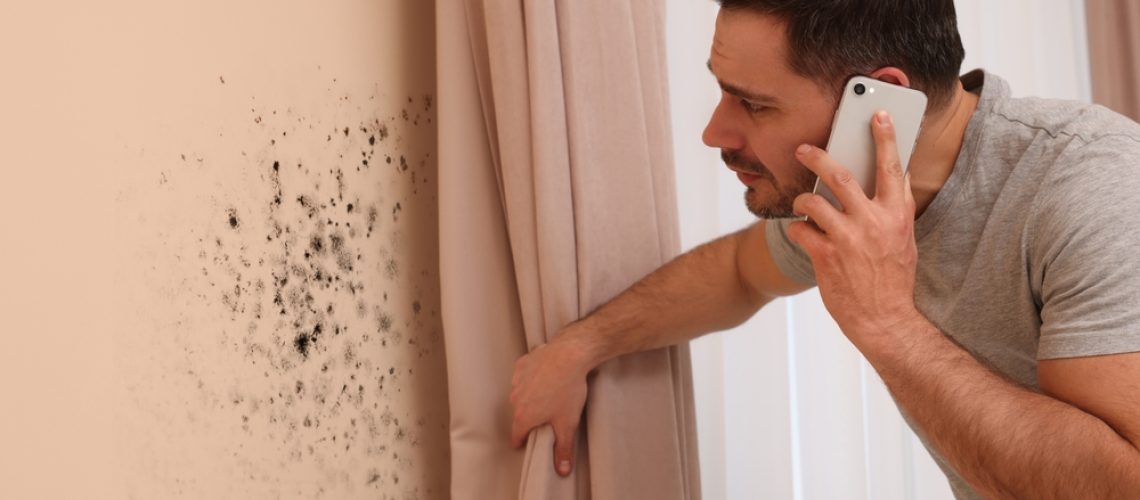
Most people think they know what mold looks like – creeping up shower tiles, darkening basement walls, or lingering behind the washing machine. But mold doesn’t always show up where you expect it. In fact, some of the worst infestations start in places you’d never think to check like inside air vents, behind wallpaper, even tucked away in forgotten closets.
Before you reach out to professionals for water damage restoration in Carmel Valley, it helps to understand where mold hides – and how to spot it early.
Where is mold found in houses?
While the usual suspects get all the attention, mold often thrives in lesser-known places – quiet corners of your home that rarely get inspected. These spots can harbor moisture from past leaks, condensation, or just poor ventilation, all without raising immediate red flags. The good news? Once you know what to look for, you can start identifying these problem areas before they spiral out of control.
1. Inside HVAC systems and air ducts
Your HVAC system circulates air throughout your home, but it can also spread mold spores if it’s contaminated. Mold can grow inside ducts, especially if there’s excess humidity, condensation, or a clogged drain pan. Since ducts are dark, narrow, and rarely inspected, mold can linger for months unnoticed.
You may first catch a whiff of it when the system kicks on – a musty odor that seems stronger in certain rooms. In more serious cases, you may even see dust that looks slightly discolored around vents. Regular maintenance and professional duct cleaning can help prevent this, especially in older homes or systems that haven’t been serviced in years.
2. Behind wallpaper or wall art
Wallpaper is a perfect hiding spot for mold, especially in bathrooms or kitchens where steam is common. The paper traps moisture between itself and the wall, creating a moist environment that mold loves. Even rooms that seem dry can harbor mold if the wall was ever exposed to leaks or high humidity.
The tricky part is that mold behind wallpaper usually isn’t visible until it’s too late. Bubbling wallpaper, slight discoloration, or a strange smell can be your only clues. If you’re planning to redecorate or paint, it’s worth peeling back a corner in suspect areas to check what’s happening underneath.
3. Underneath flooring and carpeting
Hardwood, laminate, and especially carpet can conceal mold after even minor water exposure. A small spill or unnoticed leak from a nearby pipe can seep under the surface and soak into the subfloor, creating a hidden breeding ground.
You might not notice anything until you walk across the area and feel a slight squish or sag, or you catch a musty smell that cleaning just doesn’t get rid of. If flooring feels warped or carpets seem to attract moisture, it’s worth lifting a section to take a look. Mold under floors is especially important to address early, since it can weaken structural integrity over time.
4. Inside cabinets and under sinks
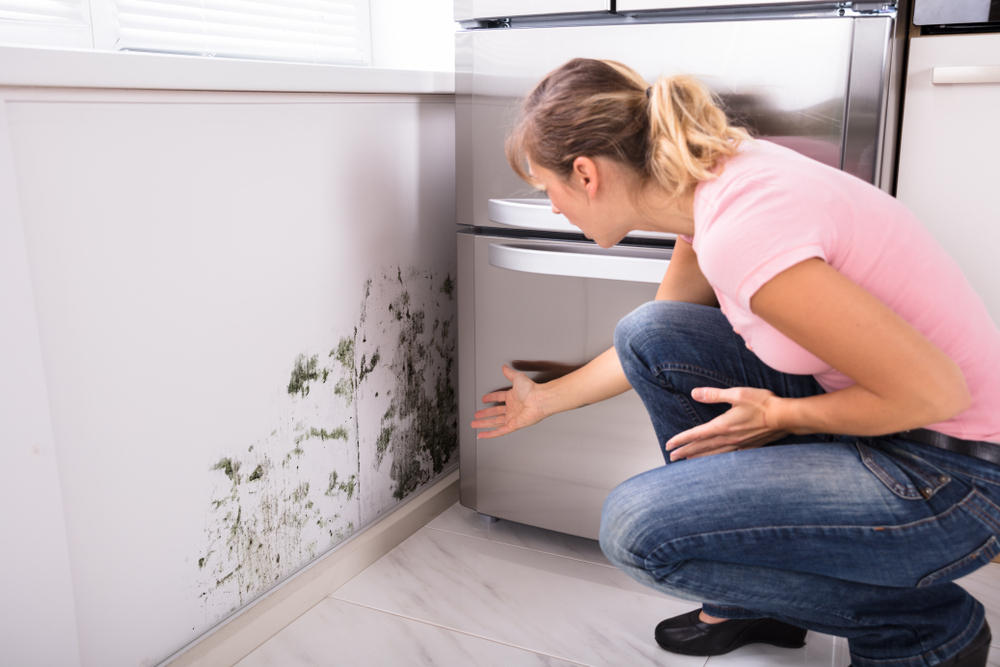
Bathrooms and kitchens are known mold zones, but the interiors of cabinets and the space under your sink often get overlooked. These areas are typically dark and poorly ventilated, which means even a small plumbing drip can become a long-term issue.
If you store cleaning supplies, dish soap, or other moisture-trapping items under your sink, check for signs of mold on the cabinet base or walls. Staining, soft wood, or peeling finishes are all signs that water has been sitting there for a while. Where there’s lingering moisture, mold isn’t far behind.
5. Inside closets and storage spaces
Closets might seem safe, but because they’re closed off and often crammed with clothes, boxes, and linens, air doesn’t circulate well. If a closet is placed against an exterior wall, it’s even more vulnerable – temperature differences can cause condensation, especially during the cooler months.
Check the corners and behind stored items for mold or dampness. If you notice that clothes or bags come out smelling musty, that’s a clear signal. Even small preventative steps like opening closet doors regularly or placing moisture absorbers can go a long way in avoiding issues here.
6. Around window frames and sills
Condensation is common on windows, particularly in older homes or areas where the weather fluctuates. When that moisture drips down and sits on sills or gets trapped in the window frame, it creates the perfect environment for mold.
If your windows fog up frequently or if the wood around the frame feels soft or appears discolored, you may have a problem. Mold here often looks like black or green streaks along the seams or corners. Make it a habit to dry condensation and check frames regularly, especially in rooms with high humidity levels like bedrooms or bathrooms.
7. In attics and crawl spaces
These are perhaps the most forgotten parts of the home, but they’re mold magnets, particularly when there’s poor ventilation or a previous roof leak. In attics, insulation can trap moisture, and wood beams or roof decking can absorb it over time. Crawl spaces often experience ground moisture seeping upward, which can go unnoticed for years.
Signs of mold here include dark staining on wood, damp insulation, or even a musty smell that seeps into the rooms above. If your attic has poor airflow or if your crawl space isn’t sealed, both are worth inspecting annually. Installing a dehumidifier or improving airflow can help prevent long-term issues.
Where can I find reliable professionals for water restoration in Carmel Valley & the vicinity?
Mold spreads fast and can compromise your home’s structure and air quality if left unchecked. That’s why reacting within the first 24 hours of discovering water damage is so essential. Our team specializes in comprehensive mold remediation, addressing both the visible growth and the underlying moisture issues that caused it.
As the highest-rated water damage restoration company in Monterey County and beyond, Risk Free Serv moves quickly to identify problem areas, eliminates mold at the source, and implements strategies to stop mold from returning. If you suspect issues in your home, don’t wait – reach out and let us help you protect your space before the damage grows deeper.