Uncategorized

Flood Damage Cleanup in Clairemont: The Overlooked Areas Homeowners Miss First

  • Standing water can leave moisture behind after the floor looks clear.
  • Door tracks, thresholds, baseboards, and corners are easy to miss.
  • Cabinets, built-ins, and storage items can hide damp materials.
  • Utility areas need extra caution when water reaches equipment or wiring.
  • A careful low-level scan can reveal damage before repairs begin.

The first few hours after standing water gets inside are usually spent on the obvious mess. Puddles, wet rugs, soaked boxes, and muddy flooring demand attention right away. Still, the areas that stay damp after the water is removed often matter just as much.

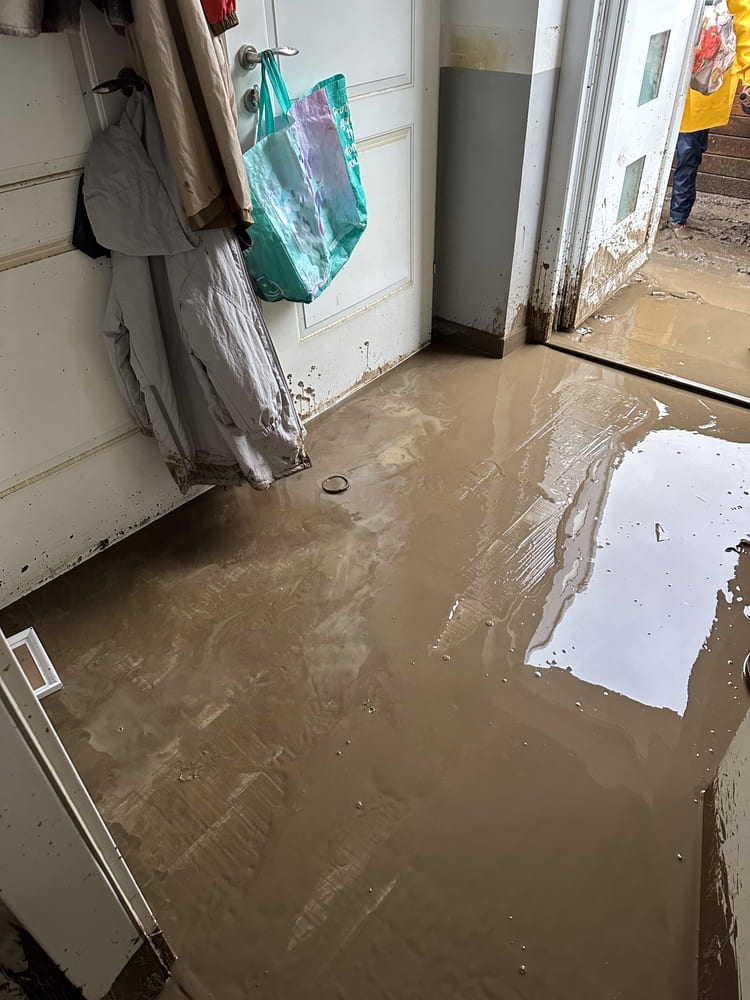
That is why flood damage cleanup in Clairemont should include a closer look at the edges, corners, and covered areas they may not check first. Water can slip beneath trim, collect inside door tracks, soak into stored items, and reach wall bottoms before the room looks fully affected.

Knowing how to inspect these areas can help you understand where floodwater may linger after the visible mess is gone. A careful walkthrough does not need to be complicated. It just needs to be slow, safe, and focused on the places water touches quietly.

What should you check after standing water gets into your home?
flood damage cleanup in clairemont the overlooked areas homeowners miss first

After standing water gets into your home, check entry points, garage edges, door tracks, baseboards, wall bottoms, cabinet bases, flooring seams, low spots, storage items, and utility areas. The middle of the room may dry first, while the lower edges and covered materials stay damp.

Before checking anything closely, make sure the space is safe. Avoid standing water near outlets, appliances, extension cords, or electrical panels. If water came in from outdoors, treat it as potentially contaminated because stormwater can carry soil, debris, bacteria, and other hazards. Cleanup should begin with protecting people before belongings.

Start where the water entered

The entry point gives you the first clue. Look at exterior doors, garage doors, sliding door tracks, and low thresholds. Water may stop there briefly, then move under flooring, behind trim, or along the wall edge.

Door tracks and thresholds

Check for damp grit, dark lines, swollen trim, or musty odor near the bottom of the door. Sliding door tracks can hold water and debris even after the surrounding floor looks dry.

Garage-to-house transitions

Garages can make water damage look less serious because concrete floors and storage areas already feel unfinished. But water near a shared wall can still affect drywall, framing, shelves, cardboard boxes, and items sitting directly on the floor. If the home has older materials or past remodels, hidden sections of the structure may hold moisture out of view after water moves beyond the first room.

Follow the waterline along the walls

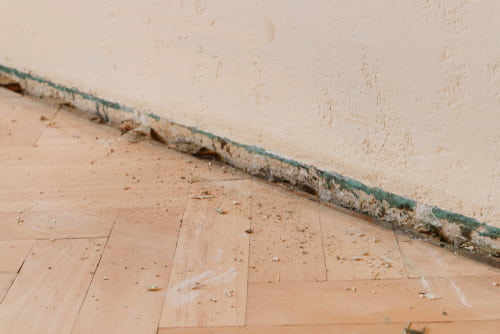
Baseboards are one of the first places water reaches and one of the easiest places to underestimate. They can hide damp drywall edges, swollen trim, and moisture sitting at the bottom of the wall.

Look for:

  • Trim separating from the wall
  • Soft or swollen baseboards
  • Bubbling paint near the floor
  • Dark staining in corners
  • Dampness behind furniture or storage bins
  • A musty smell that comes back after cleaning

Water-damaged porous materials can create mold concerns when they stay enclosed, which makes damp building materials after cleanup worth taking seriously. The visible waterline may be gone, but the wall bottom can still be holding moisture.

If the water came from a plumbing failure instead of stormwater, the same rule applies. A repair can stop the leak, but wet materials may still need professional drying before the area is closed, painted, or refinished.

Look below cabinets & built-ins

Cabinets can hide more damage than they show. The front may look normal while the toe kick, bottom panel, or back edge has absorbed water.

Under-sink areas

Open the cabinet and check the floor panel, back wall, and corners. A soft cabinet base or sour odor can mean water sat there longer than expected.

Toe kicks & built-ins

A toe kick can conceal damp material at the lowest part of the cabinet. Built-ins, shelving, and entertainment units can do the same if water reached their base. Bathroom-adjacent cabinets and walls deserve extra attention because moisture can move from one room into another through shared walls, flooring seams, and low-airflow spaces.

Check flooring seams & low spots

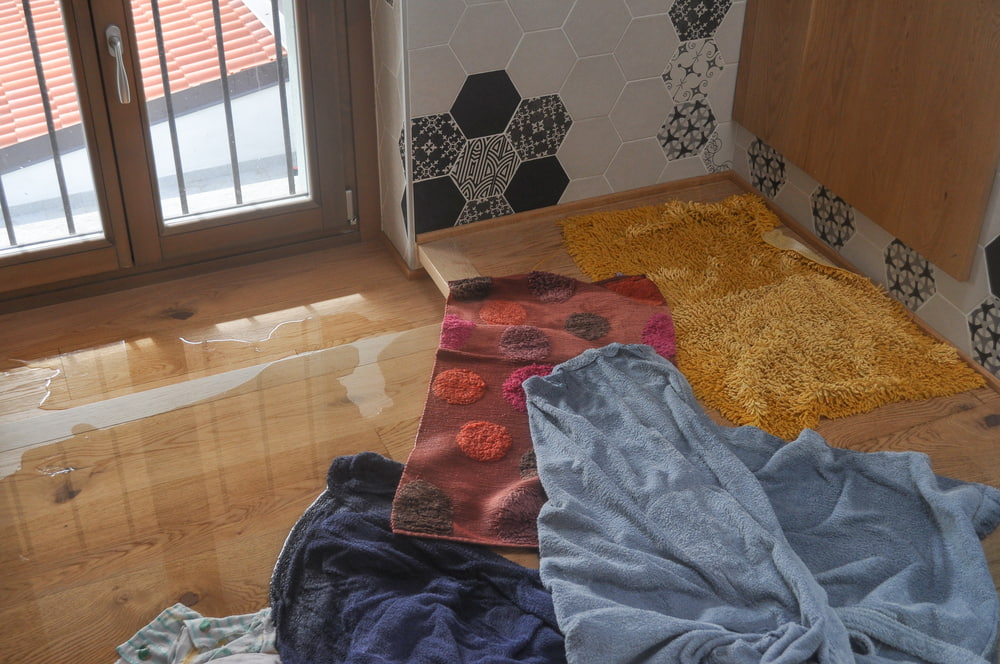
Water follows seams. It can move under vinyl, laminate, carpet edges, wood transitions, and tile-to-carpet thresholds. The top layer may dry before the material underneath does, which makes flooring tricky after standing water.

Small low spots may show up as cool flooring, lifting edges, a damp smell, or a slight change in texture underfoot. Cleaning after a flood often includes standing water removal and soaked-material cleanup because moisture can keep affecting nearby surfaces if it is left in place. For that reason, flooring seams and low areas should not be judged only by how they look from above.

Slow down around utilities

Utility areas deserve extra caution. Water near appliances, electrical components, HVAC equipment, laundry machines, or a water heater can create safety risks and hidden moisture pockets.

Do not test outlets, plug in equipment, or reset breakers if the area is wet. All safety guidance for flooded homes emphasizes reentry precautions after water intrusion, especially when electricity, structural damage, or contaminated surfaces may be involved.

HVAC & water heater areas

Equipment can block the view of damp drywall, flooring, platforms, and nearby trim. Even if the unit itself looks untouched, the surrounding materials may not be dry.

Laundry rooms & appliance corners

Laundry rooms often have tight corners, hoses, floor transitions, and cabinet spaces. Water can sit behind machines or under storage items without being noticed right away.

Do one final low-level scan
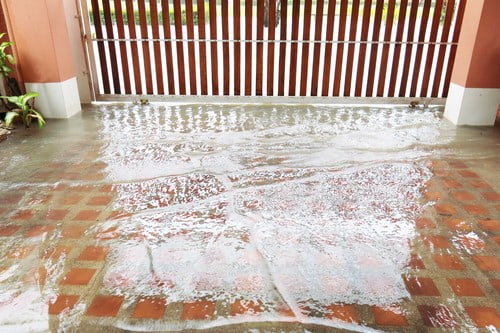
flood damage cleanup clairemont

After the obvious water is gone, walk through again and look below knee level. This is where missed damage often sits.

Check these areas before assuming the space is dry:

  • Door tracks and thresholds
  • Garage wall edges
  • Baseboards and corners
  • Cabinet toe kicks
  • Flooring seams
  • Closets near the affected room
  • Furniture feet and storage bins
  • Utility closets and appliance areas

Flood-damaged walls, ceilings, and floors may need closer evaluation before repairs begin, especially when materials stayed wet or water reached enclosed areas. To repair flood-damaged walls, ceilings, and floors, it’s necessary to deal with damp materials before rebuilding over them.

If several areas on this list were affected, cleanup should go beyond surface drying. Moisture can sit under flooring or inside walls long after the room looks better, especially when water reached trim, cabinets, or wall cavities.

Who offers comprehensive flood damage cleanup in Clairemont?

After standing water gets inside, the best question is not only how to remove what is visible. It is what the water touched before anyone noticed. If garage edges, thresholds, baseboards, cabinets, or utility corners were involved, Risk Free Serv can help identify the affected areas, remove remaining moisture, and guide the cleanup before repairs begin.

Whether your home is near Tecolote Canyon Natural Park or in another part of Clairemont, checking the missed spots early can help keep a short-term mess from becoming a lingering moisture problem. If water has reached more than the surface, don’t wait for the signs to get worse. Reach out to us and have our team check those affected areas before repairs, repainting, or replacement begin.
Why Older Clairemont Homes Can Hide Moisture Problems

  • Older Clairemont homes can hide moisture behind finished surfaces.
  • Small stains, soft trim, or musty smells may signal deeper damage.
  • Aging plumbing can leak slowly inside walls, cabinets, or floors.
  • Surfaces may dry while subfloors, drywall, or framing stay damp.
  • Professionals can inspect, dry, remove, and restore damaged areas.

In an older home, water doesn’t always leave a clear trail. A small stain, soft baseboard, or faint musty smell may be the first visible clue, but moisture could already be behind cabinets, under flooring, or inside wall cavities.

That’s why water damage in a Clairemont home should be taken seriously, even when it looks minor. Older materials, past remodels, and aging plumbing can all make moisture harder to trace. A slow leak or damp wall edge can quietly spread before anyone realizes how much of the home has been affected.

Read on to learn why older homes in the area are more likely to hide moisture issues and what to check before the damage gets worse.

Why are older homes more vulnerable to water damage?

why older clairemont homes can hide moisture problems

Older homes are more vulnerable because they often have decades of repairs, remodels, and material changes layered into the same structure. A home may have original framing in one area, newer drywall in another, updated flooring over an older subfloor, and plumbing that was only partially replaced.

Since Clairemont is a post-World War II community, many of its homes were built in the 1950s and 1960s. Those homes can be well cared for and still have hidden weak points simply because materials, seals, fixtures, and pipe connections age over time.

Older materials don’t all react the same way

Some materials show moisture quickly. Others hold it quietly. Drywall may stain, wood trim may swell, insulation may stay damp, and cabinet bases may absorb moisture from below before the face of the cabinet looks damaged.

Common vulnerable areas include:

  • Baseboards near bathrooms, kitchens, and laundry rooms
  • Cabinet toe kicks under sinks
  • Flooring seams and thresholds
  • Walls shared with plumbing fixtures
  • Ceilings below upstairs bathrooms
  • Closets or corners with limited airflow

Remodeling can also hide the path of a leak. New cabinets may cover older wall sections, while new flooring may trap damp layers underneath. Patched drywall may not show staining the same way as the original wall beside it, so checking the parts of your older home beyond the obvious stain matters.

How can old plumbing cause hidden water damage?

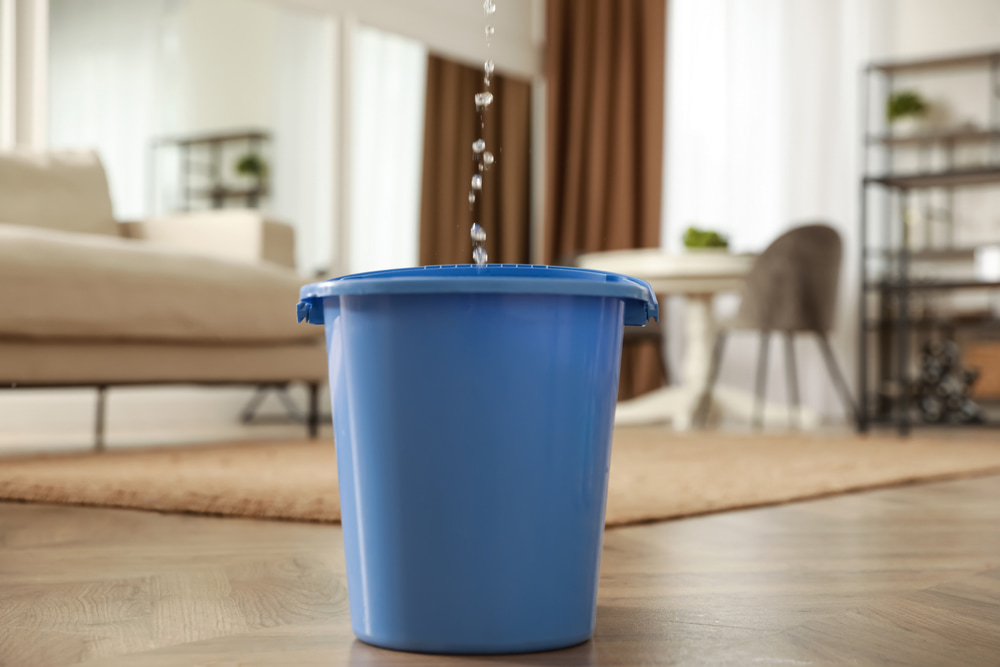
Old plumbing can create hidden damage when pipes, fittings, valves, or supply lines release water slowly inside a wall, cabinet, ceiling, or floor system. Unlike a dramatic pipe burst, a small leak may run for days or weeks before it leaves an obvious puddle.

If it’s older or weakened, plumbing in your home can lead to expensive damage when problems are not found early. In many homes, the most concerning leaks are not the ones that spray across the room. They are the ones that drip into finished spaces and stay quiet.

Slow leaks often leave subtle clues

A hidden plumbing leak may show up as:

  • Paint that bubbles or peels
  • A soft patch near the baseboard
  • A musty smell near a cabinet or wall
  • Warped flooring close to a fixture
  • Staining on the ceiling below a bathroom
  • A cabinet floor that feels swollen or brittle

A plumber may need to stop the active leak, but that doesn’t mean the affected materials are dry. After the source is repaired, moisture inside the wall may still need attention before the area is closed, painted, or rebuilt.

Interior water problems remain a recurring driver of residential losses because indoor leaks can reach finished materials before homeowners know they are there. Older homes can make that spread harder to trace, especially if moisture can spread behind walls or under floors before the damage is visible.

Can water damage spread behind walls or under floors?

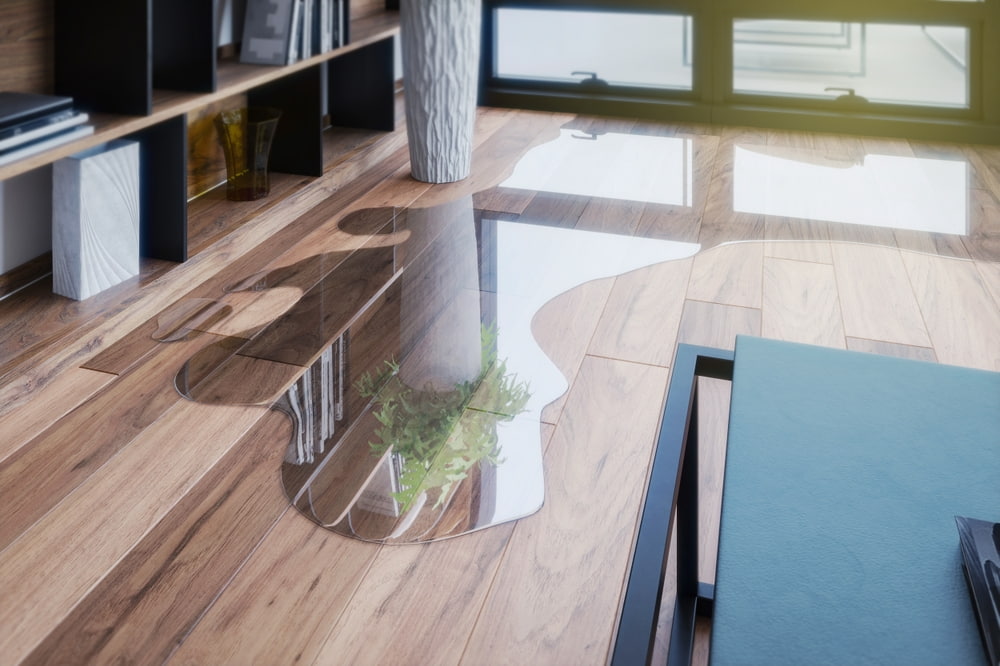
Yes. Moisture can move behind walls, under floors, and into adjacent spaces. Water follows seams, gravity, porous materials, and enclosed cavities. A surface may feel dry while the layers behind or below it are still holding moisture.

That is why wiping up the visible wet spot is not always enough. If water reached a baseboard, wall edge, subfloor, cabinet base, or ceiling cavity, it may have moved farther than the original mark suggests.

The surface can dry before the structure does

Paint, tile, vinyl, or the top layer of flooring may dry faster than the material underneath. This can make a room look better while moisture remains in drywall backing, wood framing, subflooring, insulation, trim, baseboards, cabinets, or adjacent rooms. 

Moisture control matters because wet areas and items should usually be dried within 24 to 48 hours to help prevent mold growth. If a bathroom, laundry room, or kitchen leak is involved, mold can also appear beyond the original room when moisture moves through shared walls or flooring edges.

What should you check after finding water damage in an older home?

water damage clairemont

After finding water damage in an older home, check the source, shared walls, baseboards, cabinet bases, flooring edges, ceilings below the affected area, nearby closets, and any lingering musty odors. The visible stain or soft spot may be only the first clue, not the full boundary of the problem.

Start with safety. If water is near outlets, appliances, ceiling fixtures, or electrical panels, avoid contact until the area is safe. If a ceiling is sagging, flooring feels unstable, or the water may be contaminated, do not treat it like a simple cleanup.

A practical checklist for older homes

Look closely at:

  1. The source: Make sure the leak or intrusion is no longer active.
  2. Shared walls: Check the room on the other side of the affected wall.
  3. Baseboards and trim: Watch for swelling, separation, softness, or staining.
  4. Cabinet bases: Under-sink areas can hide damp wood and odor.
  5. Flooring edges: Moisture often travels at seams, thresholds, and transitions.
  6. Ceilings below: Upstairs leaks may appear as stains or soft drywall below.
  7. Nearby closets: Low airflow can keep damp materials from drying quickly.
  8. Odors: A musty smell that returns after cleaning may point to trapped moisture.

If the moisture came from stormwater, a garage entry, or a low exterior threshold, wall edges and low spots may need closer inspection even after the standing water is gone.

Be careful about opening materials yourself

It can be tempting to pull trim, cut drywall, or lift flooring to see what happened. In some cases, those steps are part of the restoration plan. But doing them too early can create safety issues, disturb mold, or make the damage harder to document.

Mold cleanup can involve health and injury risks after a small leak or major flood, especially for people with asthma, allergies, immune concerns, or respiratory conditions. When materials have been wet for a while, a careful inspection can help determine what can dry in place and what may need removal.

Who should you contact if you’re dealing with water damage in Clairemont?

If you notice staining, soft drywall, swollen trim, damp flooring, or a musty smell, do not cover the area with paint or repairs until you know how far the moisture traveled. What looks like a small spot may involve hidden dampness behind finishes, under flooring, or around older materials.

Risk Free Serv can inspect the affected space, locate hidden moisture, dry materials that can be saved, remove damaged sections when needed, and guide the restoration from the first inspection to the final repair.

Older residences in Clairemont deserve careful attention because moisture can hide behind additions, aging materials, and finished surfaces. When the visible damage may only be part of the problem, getting professional help quickly can protect the rest of your home. Contact us today to schedule service and get your home checked before the damage spreads further.

Water Damage Restoration Explained From Drying to Full Recovery

  • Restoration includes drying, cleaning, repairs, and moisture tracking.
  • Hidden moisture can spread into walls, floors, and insulation fast.
  • Pros use meters and thermal tools to find moisture you cannot see.
  • Drying alone takes days, while full restoration can take weeks.
  • Fast, thorough restoration helps prevent bigger long-term damage.

Water damage usually looks straightforward at first. Maybe the floor is wet, a section of drywall is stained, or a leak has left part of the room damp and musty. But what you see on the surface is often only the tip of the iceberg. Left unaddressed, moisture will start moving into subfloors, insulation, wall cavities, and structural materials faster than most homeowners expect. That is why water damage restoration involves much more than simple flood cleanup in Rancho Santa Fe.

A proper restoration process is designed to do two things at once: remove the immediate damage and protect the property from ongoing issues. That includes drying, cleaning, monitoring moisture levels, tackling lingering odors, and repairing affected materials so the space can return to a safe, usable condition. When the work is handled by a proven professional, the goal is to make sure hidden moisture, lingering damage, and long-term complications are properly addressed from the get-go.

Who should I call for dependable flood cleanup in Rancho Santa Fe, CA

What is professional water damage restoration?

Professional water damage restoration goes beyond mopping up visible water. It is the full process of assessing, drying, cleaning, repairing, and restoring a property after water intrusion. The immediate task is to shut off the water supply at the source to prevent further damage before focusing on the mitigation and restoration phases. After that, it’s important to determine how far the moisture has traveled and start returning the affected area to a stable condition.

The cleanup process can vary depending on the source of the water, how long it has been sitting, and which materials were affected, but the main steps usually include the following:

Inspection & damage assessment

The first step is figuring out how far the water has spread. Restoration crews check floors, walls, ceilings, baseboards, and nearby materials to understand the full scope of the problem.

Moisture detection

Professionals use moisture meters, thermal imaging equipment, and other equipment to find water that may be trapped behind walls, under flooring, or inside structural materials.

Water extraction

If standing water is present, it needs to be removed as quickly as possible. Extraction equipment helps pull water out fast, which reduces further absorption into surrounding materials.

Drying & dehumidification

Once excess water is removed, industrial air movers and dehumidifiers are used to dry the area thoroughly. This part of the process is critical because surfaces can feel dry before the structure actually is.

Removal of damaged materials when needed

Some materials can be saved, while others cannot. Saturated drywall, insulation, flooring, or cabinetry may need to be removed if they have absorbed too much water or started to break down.

Cleaning & sanitizing

Depending on the water source, cleaning may be a major part of the job. Even clean-water incidents can leave behind residue, while gray water or contaminated water requires more careful sanitation.

Odor control

Damp materials can create a lingering smell if moisture is not fully removed. Restoration work often includes deodorizing the area so the home does not continue to smell stale or musty.

Monitoring the drying process

Drying is not guesswork. Restoration teams usually check moisture readings throughout the process to confirm materials are actually drying at the right pace.

Repairs & rebuild work

Once the affected area is dry and stable, repairs begin. This may include replacing drywall, reinstalling flooring, repainting walls, or restoring trim and finishes.

How long does water damage restoration take?

Water damage restoration timelines can vary quite a bit depending on the size of the affected area, the source of the water, and how far the moisture has spread. In many cases, drying alone takes several days, while full restoration can take anywhere from a few days to a few weeks. Smaller clean-water incidents with limited damage usually move faster. 

More serious situations involving contaminated water, saturated materials, or structural repairs take longer. The rebuild stage often extends the timeline because replacing drywall, flooring, trim, or cabinetry adds another layer of work. The most important thing is not rushing the process.

How long does water damage restoration take

Who should I call for dependable flood cleanup in Rancho Santa Fe, CA?

No matter where you’re located in Rancho Santa Fe, Risk Free Serv is your reputable and reliable team of professionals for all issues involving water. From floods and leaks to mold cleanup, emergency plumbing, and all types of maintenance tasks, we’re your go-to pros when the destructive power of water disrupts your residential comfort. 

From emergency tips on the crucial first 24 hours after water damage and post-flood home cleanups to guide you on recognizing the early warning signs in your home, we can help you navigate each phase of water damage in your home. Just reach out to us without delay!

What to Do in the First 24 Hours After Water Damage Hits Your Home

  • Act fast in the first 24 hours to limit damage and save more of your home.
  • Stop the water source and shut off power if the area is safe to access.
  • Dry the space quickly with fans, airflow, and dehumidifiers if possible.
  • Take photos before cleanup to help with insurance and repair planning.
  • Call a pro for floodwater, hidden moisture, or damage to walls and floors.

Water damage has a way of turning your normal day upside down fast. One leak under the sink, one overflowing appliance, or one heavy rainstorm can leave you dealing with soaked floors, damaged walls, and a long list of questions. The first 24 hours after water damage in Rancho Santa Fe matter more than most people realize. What you do during that window can affect how much damage spreads, how much of your home can be saved, and how complicated the repair process becomes.

Water can easily seep into flooring, baseboards, drywall, and insulation faster than it looks from the surface. That is why early and decisive action is so important. A clear plan helps you stay focused, protect your home, and reduce the risk of bigger problems later. Knowing when to handle a few safe first steps yourself and when to bring in professional help can make the entire process far more manageable.

What should I do immediately after water damage?

The first step after water damage is to focus on safety, then work on limiting the spread. It is easy to want to start cleaning right away, but a rushed approach can make things worse if electricity, contaminated water, or hidden moisture are involved.

Here are the most important steps to take right away:

1. Stop the water source if you can

If the issue is coming from a burst pipe, overflowing sink, appliance leak, or plumbing problem, shut off the local water supply or the main valve as soon as possible.

2. Turn off the electricity if it is safe to do so

Water and electricity are a dangerous combination. If water is near outlets, cords, or appliances, avoid the area until power can be safely shut off.

3. Identify the type of water involved

Who can help me deal with water damage in Rancho Santa Fe, CA

Clean water from a supply line is very different from water coming from sewage backups or storm flooding. If the water may be contaminated, avoid contact and do not try to handle cleanup on your own.

4. Move people, pets & valuables out of the area

Protect anything you can remove safely, such as electronics, important documents, rugs, and furniture. The faster you clear the space, the easier it is to prevent further damage.

5. Take photos & videos of the damage

Document wet floors, damaged walls, stained ceilings, and affected belongings before cleanup begins. This can help with insurance claims and repair planning.

6. Remove standing water if the area is safe

You can usually mop up small amounts of water or absorb them with towels. However, larger amounts usually require extraction equipment to remove water thoroughly and quickly to prevent further escalation.

7. Start drying the space

Open windows if the weather allows, use fans to improve airflow, and run dehumidifiers if you have them. Drying needs to begin as soon as possible because moisture trapped in materials can lead to swelling, staining, and further deterioration.

8. Lift or block furniture off wet floors

Aluminum foil, wood blocks, or other barriers can help keep furniture legs from soaking up moisture and causing floor stains.

9. Remove wet textiles & soft materials

Curtains, cushions, throw rugs, and bedding can hold moisture and odors. Pull them out of the affected area to help the room dry faster.

10. Do not assume the damage is only surface-level

Water often travels behind walls, under flooring, and into subfloors. Even if the visible mess looks minor, hidden moisture may still be present, so it may be smart to call in the professionals.

When should I call a professional for water damage repair?

You should call a professional for water damage repair when the water covers a large area, has been sitting for more than a few hours, involves sewage or floodwater, or appears to have reached drywall, flooring, or insulation. Professional help is also important when you notice musty smells, staining, warped materials, or signs that moisture has spread beyond what you can see. 

Water damage can move quickly through a home, and hidden moisture is one of the biggest reasons small issues turn into major repairs. A trained water damage professional will assess the extent of the damage, dry the structure properly, and help prevent more serious problems from developing.

When should I call a professional for water damage repair

Who can help me deal with water damage in Rancho Santa Fe, CA?

If you’re having trouble with floods, leaks, standing water, or any other plumbing issue, Risk Free Serv is the leading team to call in an emergency in San Diego County. The sheer force of water can feel overwhelming, especially when the damage targets your residential comfort and happens without warning.

This is where our decades-long experience, high-grade tools, and the ability to react on a moment’s notice can truly make a difference. We’ll take care of the entire process, from damage mitigation to full restoration. If you need help dealing with rain or storm floodwater, don’t wait for the warning signs to become apparent—contact us ASAP!

Carlsbad’s Top 5 Damage Restoration Companies in 2026

One moment you’re going about your day, and the next, calamity is suddenly banging at your door. Yes, unfortunately, water, fire, flood, and biohazard damage rarely come announced or give us time for an adequate response. In Carlsbad, a city known for its beautiful coastal properties, residential communities, and thriving business in innovation, life sciences, and sports/active lifestyle industries, the need for top-tier restoration services is only going to increase.

That’s why having a reputable restoration company at your beck and call is crucial to ensure a vigilant reaction when a disaster strikes your home or business. These businesses specialize in everything from emergency plumbing repairs to complete property rebuilds, providing homeowners and businesses with the support they need to recover quickly and efficiently. 

In this article, we’ve compiled a list of the top 5 damage restoration companies in Carlsbad that stand out in terms of customer satisfaction, expertise, and overall service offerings. Whether you’re facing water damage or fire restoration, these providers are equipped to handle it all.

expert damage restoration company in carlsbad

Here are 5 names that stand tall among proven restoration businesses in Carlsbad in 2026:

  • Risk Free Serv
  • RenewPro Restoration
  • Precise Flood and Restoration
  • 75 & Sunny Remediation
  • Birchall Restoration

Since each of these names has its unique strong points and a couple of weak spots you need to consider, we take a look at what each has to offer in case of unfortunate incidents.

How Carlsbad’s best damage restoration companies compare in 2026

Company

Pros

Cons

Years in Business & Service Area

Specialties

Risk Free Serv

  • Rapid water damage mitigation
  • Emergency water extraction & drying
  • Mold prevention & remediation expertise
  • Complete property restoration & reconstruction
  • Prompt response for plumbing emergencies
  • Certified by IICRC & fully insured for restoration services
  • Experts in handling both residential & commercial properties
  • FREE inspections & property damage evaluations
  • FREE & transparent estimates
  • Direct assistance with insurance claims & billing
  • Eco-friendly approach to mold removal
  • Cutting-edge detection & remediation technologies
  • Fully licensed for end-to-end residential reconstruction & repairs
  • Strong customer satisfaction as the best-rated provider in Carlsbad
  • Top-rated reputation makes it hard to schedule same-day service during peak demand

  • Nearly a decade of experience
  • Offices in Carlsbad & San Diego covering the entire area

Company

Pros

Cons

Years in Business & Service Area

Specialties

RenewPro Restoration

  • 2 Decades of relevant experience
  • 24/7 Emergency support
  • Insured & IICRC-certified team
  • Local focus, owner-operated business
  • Few publicly available reviews & testimonials
  • Service area may be regionally limited
  • Sparse public licensing makes licensing verification harder
  • 20 + years in the industry
  • Southern California
  • Fire restoration
  • Water restoration
  • Mold removal
  • Biohazard cleanup

Company

Pros

Cons

Years in Business & Service Area

Specialties

Precise Flood and Restoration

  • End‑to‑end services
  • Praised for professionalism & communication
  • Rapid response & 24/7 availability
  • Hold IICRC certification
  • Based in San Luis Rey, not Carlsbad
  • Review footprint is mostly absent on typical public channels
  • Attention shared between damage restoration & home remodeling
  • Active since 2008
  • San Diego, North County, Temecula, and Orange County. 
  • Water & mold restoration
  • Flood damage repair
  • General contracting

Company

Pros

Cons

Years in Business & Service Area

Specialties

75 & Sunny Remediation

  • Consistently high ratings
  • 24/7 emergency response for disasters
  • Comprehensive insurance support
  • People praise their communication
  • Covers multiple regions beyond Carlsbad
  • Generalist approach may dilute specialized expertise
  • Lack of reviews on major directories
  • N/A
  • Orange County, San Diego County & southern Riverside County
  • Fire damage restoration
  • Water damage restoration
  • Mold damage restoration
  • Packout services
  • Content cleaning

Company

Pros

Cons

Years in Business & Service Area

Specialties

Birchall Restoration

  • Decades of experience
  • Strong licensing & certification
  • Comprehensive project management
  • Service area is too broad, which may stretch resources thin
  • Lack of BBB accreditation
  • Some sources cite a lack of professionalism in communication
  • Certain third‑party review inconsistencies
  • In business since 1985
  • All of San Diego, Riverside, and LA Counties
  • Certified water damage restoration
  • Mold remediation services
  • Renovation & remodeling
  • Carpet, rug & upholstery cleaning

Risk Free Serv

Risk Free Serv has built a reputation in Carlsbad for its comprehensive approach and full-service damage restoration. While most companies offer only mitigation services, they boast general remodeling expertise, enabling them to manage every step of the remediation process. From initial assessment to an in-depth cleanup of water, fire, mold, and biohazard damage, IICRC-certified professionals at Risk Free Serve utilize the latest in technological solutions and industry best practices to deliver lasting solutions for both residential and commercial properties. With direct insurance billing, vigilant 24/7 support, and competitive estimates free of add-ons, Risk Free Serv is known for bringing ease and convenience to homeowners and entrepreneurs in unpleasant and unfortunate circumstances.

Pros

Here’s what makes Risk Free Serv unique:

  • Comprehensive service offering: Risk Free Serv offers a full range of restoration and construction services under one roof, including water extraction, structural drying, fire damage repair, and plumbing fixes. By providing both restoration and rebuild services, they reduce downtime and help clients return to normal more quickly.
  • Ready to react 24/7: Risk Free Serv’s vigilant emergency team is available around the clock, ready to assess damage, mitigate risks, and start restoration immediately. Clients appreciate their prompt response and clear communication during stressful situations, making them one of the most reliable restoration companies in the area.
  • Help with financing & insurance: The company offers guidance in financing to eliminate complications and streamlines the often complicated insurance claim process by offering direct billing and documentation support. Their team works directly with insurance adjusters and providers, ensuring claims are processed smoothly and minimizing stress for clients. 
  • Robust commitment to eco-friendly solutions: Risk Free Serv uses environmentally friendly practices, especially in mold and disinfection services. They put their clients’ long-term well-being through sophisticated methods, prioritizing safety and air quality, and eliminating harmful pathogens. Risk Free Serv won’t leave behind harsh chemicals after their work is done, so you can enjoy your comfort in a healthy living environment.
  • Certified, trained, insured, and bonded: Every technician at Risk Free Serv is certified by the Institute of Inspection, Cleaning and Restoration Certification (IICRC), which upholds the highest industry standards for safety and performance. In addition to in-person vetting and a demanding training process, their remediation specialists are insured and bonded to provide an additional layer of protection to your investment.
  • Fully licensed general contractors: Unlike most restoration companies that only handle mitigation, Risk Free Serv is a licensed general contractor, capable of overseeing the entire restoration process and providing full reconstruction services. This means clients work with a single team from start to finish, avoiding the delays and miscommunications that often occur when multiple contractors are involved. This approach ensures seamless continuity, accountability, and consistent quality throughout the project.
  • Residential and commercial services: Whether handling small residential repairs or commercial water damage restoration, the company treats every job with the same level of attention to detail and commitment to upholding the highest industry standards. Their experienced team is equipped with the tools and flexibility to handle any scope of damage from any source.

Cons

A couple of possible drawbacks: 

  • Usually in strong demand: During severe weather conditions and high-demand restoration seasons, scheduling can be more challenging.
  • Limited coverage area: Mainly serves Carlsbad and San Diego County, which means clients outside this region may experience limited availability.
full-service damage restoration in carlsbad

RenewPro Restoration

Marketed as an emerging provider in Carlsbad, but with 20+ years of experience, RenewPro Restoration is a property damage restoration company specializing in emergency restoration services following disasters like water intrusion, mold growth, fire damage, and hazardous contamination. They emphasize their local commitment and personalized service from a certified team of technicians.

Pros

Some of their strong points:

  • Strong local reputation: They tend to garner strong client reviews and praise for professionalism. 
  • Experienced pair of hands: Their team boasts 20+ years of industry experience and focuses on tailored solutions rather than one‑size‑fits‑all approaches.
  • Round-the-clock response: RenewPro offers 24/7 availability for emergency mitigation (including holidays), ensuring quicker response times when disasters strike.
  • Certified & insured technicians: They advertise IICRC certification and carry necessary insurance, which signals adherence to recognized restoration protocols and safety practices.

Cons

Things they struggle with:

  • Limited public licensing transparency: Public government records or contractor board listings (e.g., CA State Licensing Board) aren’t clearly published on major portals, making outside verification of specific contractor licenses harder.
  • Smaller geographic footprint: Limited coverage area outside the greater North County San Diego, which may not suit customers farther inland.
  • Too few reviews to judge them adequately: Their online presence shows minimal reviews or data, which makes it difficult to assess their expertise.

Precise Flood and Restoration

Precise Flood & Restoration is a property damage restoration and general contracting company based in San Luis Rey, CA, serving San Diego, North County, Orange County, and Temecula. They’ve been in business since 2008 and emphasize rapid emergency response, comprehensive restoration services, and combining remediation with reconstruction expertise. They specialize in water/flood restoration, mold remediation, reconstruction/remodeling, and general contracting services. 

Pros

Here’s what they do well:

  • Full restoration, reconstruction, and remodeling: They handle everything from water extraction, mold remediation, flood damage repair, general contracting, and emergency response. 
  • 24/7 Rapid response: They emphasize rapid emergency response and around‑the‑clock availability for water and flood damage situations—a crucial advantage in limiting further property damage.
  • Strong on industry standards: They highlight IICRC‑certified expertise, adherence to industry standards for water and mold remediation, and assistance with insurance.

Cons

Things you need to know before committing:

  • Operating from San Luis Rey: They are located outside Carlsbad, which may hinder their ability to react on a moment’s notice and beat response times by local providers.
  • Too few independent public reviews: There are few independently verifiable reviews on third‑party sites (e.g., Google, Yelp) that confirm broader customer sentiment. Most available testimonials are on their own website.
  • Divided service focus: They advertise a broad range of competencies, which may hinder their ability to deliver specialized service.
complete property restoration and reconstruction in carlsbad

75 & Sunny Remediation

75 & Sunny Remediation is a damage restoration provider, serving San Diego County, Orange County, and parts of Riverside County. They provide emergency response and restoration for water, fire, and mold damage, along with related services like pack‑out and content cleaning. 

Pros

Here’s what sets them apart:

  • Available round the clock: The company emphasizes 24/7 emergency response for disasters, which is crucial for minimizing damage impact from water, fire, or mold events.
  • Comprehensive insurance support & communication: Reviews specifically mention the team working directly with insurance carriers and helping customers navigate claims smoothly, often making stressful situations easier for homeowners.

Cons

Here’s where they could fall short:

  • Covers multiple regions: Their ability to arrive on the scene on short notice may be compromised by their presence in a large geographic area.
  • Lack of reviews complicates appraisal: General lack of customer testimonials and visible critical feedback means prospective clients may struggle to see how issues are handled.
  •  Generalist model may dilute specialized skills: In an era of great technological advancements and major developments in various fields, a broad generalist strategy can weaken specialist know-how.

Birchall Restoration

Birchall Restoration is a family‑owned restoration and general contracting company based in Bonsall/Fallbrook, CA, serving San Diego County and surrounding Southern California areas with emergency restoration, remediation, cleaning, and renovation services. 

Pros

Areas they excel at:

  • Seasoned expertise spanning decades: The company has been in business for over 40 years, serving residential and commercial clients with its restoration and remediation work.
  • Fully licensed & certified: Birchall Restoration holds a Class B General Building Contractor license and several industry certifications, which indicate robust technical expertise and formal compliance with industry standards.
  • End‑to‑end service coverage: They can handle insurance carriers on behalf of clients, deliver prompt emergency response, and full cleanup and renovation, which relieves stress for property owners dealing with damage.

Cons

Things they need to work on:

  • Not BBB accredited: While they have reviews on the platform, the lack of formal BBB accreditation may be a concern for some customers seeking that extra validation.
  • Wide service radius: May impact their response times in emergency situations when every second matters in preventing further damage.
  • Small review footprint: While reviews are highly positive, the total volume of reviews is relatively small, which makes a few negative client testimonials stick out.

Who can help me restore my property from water, fire, smoke, flood & mold damage in Carlsbad, CA? 

No matter which of these 5 companies you choose, you probably can’t do wrong. The important thing is to reach out to a provider you feel serves your needs best. In case of emergencies, calling the one closest to you may be smart to minimize the damage to your property.

Whether your home or business is located near Agua Hedionda or further inland, Risk Free Serv is ready to spring into action in your time of need. With thousands of happy clients, advanced tools that make the damage mitigation and remediation process smoother, and a commitment to guide you through the insurance and restoration phase, you can rest easy knowing that every little detail will be handled with expertise. 

If you need help dealing with the devastating force of water or removing the destructive consequences of flooding, Risk Free Serv will do everything in its power to ensure your comfort and the long-term safety of your loved ones.

How Coastal Humidity Impacts Coronado Homes

  • Coastal humidity in Coronado affects homes year-round.
  • Humidity leads to gradual material deterioration and mold growth.
  • Common signs include musty odors and warped wood or drywall.
  • Humidity problems are persistent and worsen with time.
  • Identifying humidity early prevents costly repairs.

Living in Coronado comes with undeniable perks, like ocean views, coastal breezes, and a relaxed seaside lifestyle, just to name a few. But that same coastal environment also brings persistent humidity that can quietly affect homes year-round. Unlike sudden storms or obvious plumbing failures, moisture from the air itself often goes unnoticed, slowly working its way into all the structural elements of the home. Over time, this constant exposure can create conditions that lead to costly repairs if left unchecked.

What makes coastal humidity especially tricky is how easily it can be mistaken for other issues. Homeowners may assume musty odors or warped materials are the result of age or a minor leak, when humidity is actually the underlying cause. Understanding how moisture behaves in a coastal climate is essential for identifying problems early and knowing when professional water damage repair in Coronado may be necessary. In this article, we’ll break down why humidity is such a challenge for local homes and how to recognize the real issue.

Why is coastal humidity a problem for Coronado homes?

Coastal humidity is an issue because moist ocean air constantly enters living spaces, raising indoor humidity levels even when there’s no rain or visible water intrusion. Over time, that excess moisture settles into building materials, creating conditions that accelerate deterioration and encourage mold growth. Unlike inland homes, Coronado properties deal with this pressure year-round, not just during storms or seasonal weather shifts.

What makes coastal humidity especially challenging is its persistence. Salt-laden marine air moves easily through open windows, crawl spaces, attic vents, and even small gaps in older construction. Once inside, moisture doesn’t simply disappear, it accumulates. Materials like drywall, wood framing, insulation, and subflooring absorb moisture slowly, often without obvious surface signs at first.

Constant moisture, not one-time exposure

Unlike a leak or flood, humidity causes damage gradually. There’s no single event homeowners can point to, which is why it’s frequently overlooked. Common characteristics of humidity-related issues include:

  • Ongoing dampness without visible dripping or pooling
  • Gradual material breakdown rather than sudden failure
  • Problems that worsen during warmer months or foggy coastal mornings
  • Recurring musty odors that return even after cleaning

Because Coronado’s climate rarely allows homes to fully “dry out,” moisture problems tend to compound over time rather than resolve on their own.

Why coastal homes are more vulnerable

Homes near the coast are exposed to higher ambient moisture levels on a daily basis, and many properties were designed to maximize airflow and ocean breezes. While this enhances comfort, it also allows humid air to circulate freely indoors.

Several local factors increase risk:

  • Ocean air carrying fine moisture and salt particles
  • Older construction with less vapor control
  • Slab foundations and crawl spaces that trap moisture
  • Limited temperature swings that prevent natural drying

When humidity remains elevated for extended periods, even well-maintained homes can begin to show signs of moisture stress, often prompting homeowners to seek help for water damage repair without realizing humidity was the original cause.

The long-term impact on the home

Left unmanaged, coastal humidity can quietly affect both structure and air quality. Wood may swell or warp and hidden areas like wall cavities and subfloors can develop mold before any visible warning signs appear.

Understanding humidity as an environmental issue, not just a comfort concern, is critical for homeowners in Coronado. Identifying it early allows for targeted solutions before repairs become extensive or invasive.

What are the signs of too much humidity in your house

What are the signs of too much humidity in your house?

Too much humidity inside a home usually shows up through consistent comfort issues and material changes rather than obvious water intrusion. Homeowners in Coronado often notice persistent odors or damp-feeling surfaces that don’t hold up the way they should. These signs tend to develop slowly, which makes them easy to overlook at first.

Instead of a single red flag, excess humidity typically presents as a pattern of small, recurring issues that don’t fully go away.

Subtle changes that indicate elevated moisture levels

Early signs are often sensory or functional rather than visual. Common indicators include:

  • A musty or stale smell that returns after cleaning
  • Indoor air that feels heavy or sticky, even when temperatures are moderate
  • Condensation forming on windows, mirrors, or glass doors
  • Doors, cabinets, or drawers that begin sticking unexpectedly

These issues may seem minor on their own, but together they often point to ongoing moisture in the air.

Material and finish-related warning signs

As humidity persists, building materials and finishes begin to react. Wood, drywall, and painted surfaces are especially sensitive to prolonged moisture exposure. Homeowners may notice:

  • Peeling, bubbling, or soft paint
  • Swollen baseboards or trim pulling away from walls
  • Warping or cupping in hardwood or laminate flooring
  • Cracks forming near ceilings or corners without an obvious cause

Because these changes happen gradually, they’re often mistaken for normal aging rather than a moisture imbalance.

Indoor air quality concerns

Excess humidity also affects how the home feels to live in. Many Coronado homeowners report discomfort before they see visible damage. Common air-related symptoms include:

  • Odors that linger in closets, bedrooms, or hallways
  • Increased allergy or respiratory irritation indoors
  • Rooms that never seem to feel fresh, even with regular ventilation

These comfort-related changes are often the clue that leads homeowners to investigate moisture levels more closely.

Where does humidity cause the most damage inside the home?

Humidity causes the most damage in areas where moisture can linger without drying properly, especially spaces with limited airflow or materials that readily absorb water. Over time, these areas experience accelerated wear and conditions that allow mold to develop out of sight. In coastal homes in Coronado, damage often spreads quietly behind finishes long before it becomes visible. While humidity affects the entire house, certain locations are consistently more vulnerable than others:

Bathrooms and laundry areas

Bathrooms and laundry rooms naturally produce moisture, and when humidity levels are already elevated, these spaces struggle to dry out between uses. Even with exhaust fans, moisture can remain trapped in walls, ceilings, and under flooring.

Common issues include soft drywall, peeling paint near ceilings, and deterioration around vanities, tubs, and shower surrounds. Because plumbing is nearby, humidity-related damage in these rooms is frequently mistaken for small leaks.

Kitchens and cabinet interiors

Kitchens experience frequent temperature changes from cooking, dishwashing, and appliance use. When humid air becomes trapped inside cabinets or behind appliances, wood and composite materials begin to swell and weaken.

Homeowners often notice cabinet doors warping or musty odors inside enclosed storage areas. These changes typically occur even when plumbing connections remain intact.

Crawl spaces, subfloors, and lower levels

Areas below the main living space are especially vulnerable because moisture tends to settle downward and remain trapped. Poor ventilation in crawl spaces allows humidity to accumulate, where it can saturate insulation, framing, and subfloor materials.

Over time, this can lead to persistent odors rising into the home and structural components weakening without obvious surface damage.

Walls, ceilings, and hidden cavities

One of the most damaging aspects of humidity is how easily it affects areas homeowners rarely see. Moist air can move through wall cavities and ceiling spaces, slowly saturating insulation and framing.

Because this damage happens behind finished surfaces, signs may not appear until staining or cracking becomes noticeable. By that point, moisture has often been present for a long time.

Flooring and baseboards

Wood and laminate flooring are highly sensitive to humidity fluctuations. Excess moisture causes boards to expand, cup, or separate, while baseboards may swell or pull away from walls. These issues are often dismissed as installation problems or age-related wear, but in many cases, they’re the result of prolonged moisture exposure rather than isolated incidents.

How do I know humidity—not a leak—is my problem

How do I know humidity—not a leak—is my problem?

Humidity is likely the issue when moisture-related damage appears gradually, affects multiple areas, and doesn’t follow a clear plumbing or roof path. Unlike leaks, which usually produce localized and worsening wet spots, humidity causes widespread, slow-developing symptoms that come and go depending on conditions inside the home. If no active water source can be identified, excess moisture in the air is often the underlying cause. Understanding the difference matters, because the solution for humidity is very different from the fix for a leak.

Damage patterns tell an important story

Leaks tend to leave clear clues. They usually originate from a single point and create visible trails or concentrated damage. Humidity-related problems behave differently:

  • Discoloration or soft spots appear in multiple, unrelated areas
  • Damage doesn’t worsen immediately after rainfall or water use
  • Materials show general swelling or warping rather than soaked spots
  • Issues may improve temporarily, then return

When moisture problems don’t align with plumbing lines, fixtures, or roof penetrations, humidity is often the more likely explanation.

Timing and consistency offer clues

Leaks typically get worse over time until repaired. Humidity issues, on the other hand, fluctuate. Homeowners in Coronado often notice that symptoms:

  • Feel worse during warmer or more stagnant air conditions
  • Lessen after increased ventilation or cooler weather
  • Appear even when water usage hasn’t changed

This inconsistency is a strong indicator that the problem isn’t coming from a pipe or exterior opening.

The absence of an obvious water source

Another key sign is what you don’t find. When walls, ceilings, or floors show moisture-related damage but inspections reveal no active leaks or pressure-related failures, airborne moisture becomes the most likely culprit.

In many cases, professional moisture readings show elevated levels throughout the home rather than concentrated near one source, confirming humidity as the issue.

Why proper identification matters

Treating a humidity problem like a leak often leads to temporary fixes that don’t last. Repainting or sealing small areas won’t resolve moisture in the air, and the same issues typically return. Correctly identifying humidity allows homeowners to address the affected areas and materials in a way that prevents repeat damage, rather than chasing symptoms one room at a time.

go-to experts for water damage repair near me in Coronado

Who are the go-to experts for water damage repair near me in Coronado?

If moisture issues in your home go beyond simple fixes, having a trusted local team makes all the difference. As a locally owned and operated damage restoration company serving residents near Coronado Beach and the greater San Diego area, Risk Free Serv provides 24/7 emergency response when moisture problems can’t wait.

We’re proud to be recognized as one of the highest-rated damage restoration companies in San Diego. Whether humidity has caused hidden damage or you’re dealing with active moisture concerns, our focus is on identifying the source, protecting your home, and restoring it properly. Call us today, our specialists are standing by!