
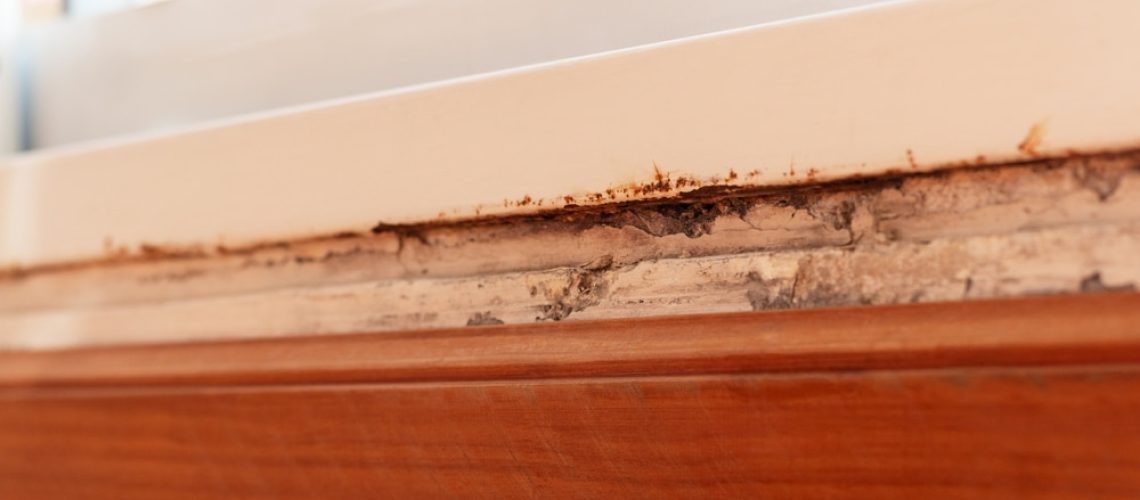
- Older Clairemont homes can hide moisture behind finished surfaces.
- Small stains, soft trim, or musty smells may signal deeper damage.
- Aging plumbing can leak slowly inside walls, cabinets, or floors.
- Surfaces may dry while subfloors, drywall, or framing stay damp.
- Professionals can inspect, dry, remove, and restore damaged areas.
In an older home, water doesn’t always leave a clear trail. A small stain, soft baseboard, or faint musty smell may be the first visible clue, but moisture could already be behind cabinets, under flooring, or inside wall cavities.
That’s why water damage in a Clairemont home should be taken seriously, even when it looks minor. Older materials, past remodels, and aging plumbing can all make moisture harder to trace. A slow leak or damp wall edge can quietly spread before anyone realizes how much of the home has been affected.
Read on to learn why older homes in the area are more likely to hide moisture issues and what to check before the damage gets worse.
Why are older homes more vulnerable to water damage?

Older homes are more vulnerable because they often have decades of repairs, remodels, and material changes layered into the same structure. A home may have original framing in one area, newer drywall in another, updated flooring over an older subfloor, and plumbing that was only partially replaced.
Since Clairemont is a post-World War II community, many of its homes were built in the 1950s and 1960s. Those homes can be well cared for and still have hidden weak points simply because materials, seals, fixtures, and pipe connections age over time.
Older materials don’t all react the same way
Some materials show moisture quickly. Others hold it quietly. Drywall may stain, wood trim may swell, insulation may stay damp, and cabinet bases may absorb moisture from below before the face of the cabinet looks damaged.
Common vulnerable areas include:
- Baseboards near bathrooms, kitchens, and laundry rooms
- Cabinet toe kicks under sinks
- Flooring seams and thresholds
- Walls shared with plumbing fixtures
- Ceilings below upstairs bathrooms
- Closets or corners with limited airflow
Remodeling can also hide the path of a leak. New cabinets may cover older wall sections, while new flooring may trap damp layers underneath. Patched drywall may not show staining the same way as the original wall beside it, so checking the parts of your older home beyond the obvious stain matters.
How can old plumbing cause hidden water damage?
Old plumbing can create hidden damage when pipes, fittings, valves, or supply lines release water slowly inside a wall, cabinet, ceiling, or floor system. Unlike a dramatic pipe burst, a small leak may run for days or weeks before it leaves an obvious puddle.
If it’s older or weakened, plumbing in your home can lead to expensive damage when problems are not found early. In many homes, the most concerning leaks are not the ones that spray across the room. They are the ones that drip into finished spaces and stay quiet.
Slow leaks often leave subtle clues
A hidden plumbing leak may show up as:
- Paint that bubbles or peels
- A soft patch near the baseboard
- A musty smell near a cabinet or wall
- Warped flooring close to a fixture
- Staining on the ceiling below a bathroom
- A cabinet floor that feels swollen or brittle
A plumber may need to stop the active leak, but that doesn’t mean the affected materials are dry. After the source is repaired, moisture inside the wall may still need attention before the area is closed, painted, or rebuilt.
Interior water problems remain a recurring driver of residential losses because indoor leaks can reach finished materials before homeowners know they are there. Older homes can make that spread harder to trace, especially if moisture can spread behind walls or under floors before the damage is visible.
Can water damage spread behind walls or under floors?
Yes. Moisture can move behind walls, under floors, and into adjacent spaces. Water follows seams, gravity, porous materials, and enclosed cavities. A surface may feel dry while the layers behind or below it are still holding moisture.
That is why wiping up the visible wet spot is not always enough. If water reached a baseboard, wall edge, subfloor, cabinet base, or ceiling cavity, it may have moved farther than the original mark suggests.
The surface can dry before the structure does
Paint, tile, vinyl, or the top layer of flooring may dry faster than the material underneath. This can make a room look better while moisture remains in drywall backing, wood framing, subflooring, insulation, trim, baseboards, cabinets, or adjacent rooms.
Moisture control matters because wet areas and items should usually be dried within 24 to 48 hours to help prevent mold growth. If a bathroom, laundry room, or kitchen leak is involved, mold can also appear beyond the original room when moisture moves through shared walls or flooring edges.
What should you check after finding water damage in an older home?
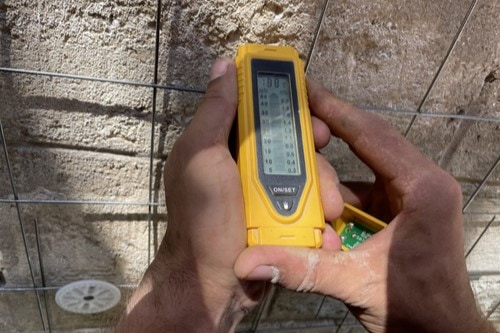
After finding water damage in an older home, check the source, shared walls, baseboards, cabinet bases, flooring edges, ceilings below the affected area, nearby closets, and any lingering musty odors. The visible stain or soft spot may be only the first clue, not the full boundary of the problem.
Start with safety. If water is near outlets, appliances, ceiling fixtures, or electrical panels, avoid contact until the area is safe. If a ceiling is sagging, flooring feels unstable, or the water may be contaminated, do not treat it like a simple cleanup.
A practical checklist for older homes
Look closely at:
- The source: Make sure the leak or intrusion is no longer active.
- Shared walls: Check the room on the other side of the affected wall.
- Baseboards and trim: Watch for swelling, separation, softness, or staining.
- Cabinet bases: Under-sink areas can hide damp wood and odor.
- Flooring edges: Moisture often travels at seams, thresholds, and transitions.
- Ceilings below: Upstairs leaks may appear as stains or soft drywall below.
- Nearby closets: Low airflow can keep damp materials from drying quickly.
- Odors: A musty smell that returns after cleaning may point to trapped moisture.
If the moisture came from stormwater, a garage entry, or a low exterior threshold, wall edges and low spots may need closer inspection even after the standing water is gone.
Be careful about opening materials yourself
It can be tempting to pull trim, cut drywall, or lift flooring to see what happened. In some cases, those steps are part of the restoration plan. But doing them too early can create safety issues, disturb mold, or make the damage harder to document.
Mold cleanup can involve health and injury risks after a small leak or major flood, especially for people with asthma, allergies, immune concerns, or respiratory conditions. When materials have been wet for a while, a careful inspection can help determine what can dry in place and what may need removal.
Who should you contact if you’re dealing with water damage in Clairemont?
If you notice staining, soft drywall, swollen trim, damp flooring, or a musty smell, do not cover the area with paint or repairs until you know how far the moisture traveled. What looks like a small spot may involve hidden dampness behind finishes, under flooring, or around older materials.
Risk Free Serv can inspect the affected space, locate hidden moisture, dry materials that can be saved, remove damaged sections when needed, and guide the restoration from the first inspection to the final repair.
Older residences in Clairemont deserve careful attention because moisture can hide behind additions, aging materials, and finished surfaces. When the visible damage may only be part of the problem, getting professional help quickly can protect the rest of your home. Contact us today to schedule service and get your home checked before the damage spreads further.