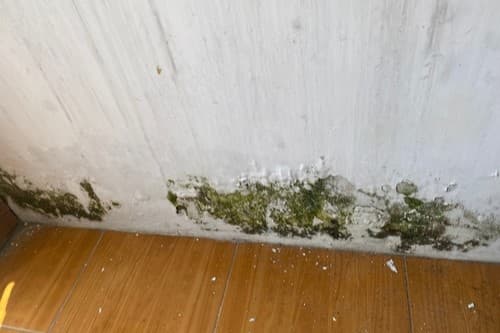
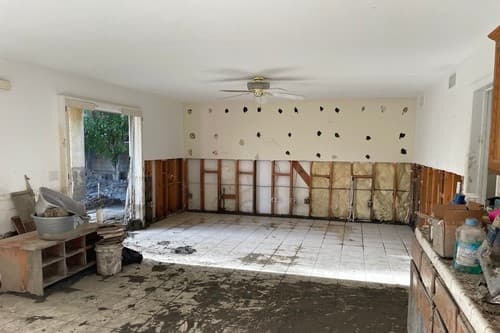
Mold Remediation

How Bathroom Leaks Spread Mold Beyond the Bathroom

Key Takeaways

  • Bathroom leaks can spread mold into nearby rooms through hidden cavities.
  • Slow leaks may keep walls and insulation damp long after surfaces appear dry.
  • Musty odors, stains, and soft materials can signal hidden mold growth.
  • Water may travel through walls, floors, ceilings, and structural materials.
  • Mold remediation may be needed when moisture and growth extend beyond surfaces.

A bathroom leak may seem contained to one room, but water rarely stays exactly where it first appears. Moisture can move through wall cavities, flooring, ceilings, insulation, and framing before visible damage shows up elsewhere in the home. A leaking shower, toilet, supply line, tub, or sink can therefore create conditions for mold growth well beyond the bathroom itself.

The longer moisture remains hidden, the more difficult it becomes to tell how far the damage has spread. A stained ceiling in the room below, a musty odor in a hallway, or peeling paint on the opposite side of a bathroom wall may all point back to the same leak. Finding and stopping the source is the first step, but proper drying and mold remediation in Encinitas may also be necessary when water has reached concealed areas throughout your home.

Can a bathroom leak cause mold in another room?

Yes. A bathroom leak can lead to mold growth in another room when water travels through shared walls, ceilings, floors, or structural cavities. The affected area may be several feet away from the original leak.

Bathrooms contain multiple plumbing connections and fixtures, so even a relatively small leak can create hidden moisture over time. Water from a shower valve, toilet connection, supply line, drain, or tub enclosure may seep into surrounding materials rather than pooling where you can see it.

Shared walls can hide the true extent of the leak

Bathrooms often share walls with bedrooms, closets, hallways, or utility spaces. If water enters the wall cavity, it can soak into drywall, insulation, wood framing, or other porous materials on both sides. That means visible damage may appear outside the bathroom even though the plumbing failure started inside it.

Can a bathroom leak cause mold in another room

For example, you may notice:

  • Bubbling paint in an adjoining room
  • Dark staining near a shared wall
  • Soft drywall near the baseboard
  • A musty smell inside a closet
  • Warped flooring outside the bathroom
  • Ceiling stains on the level below

Slow leaks can be especially difficult to detect

A major plumbing failure usually gets your attention quickly. But slow bathroom leaks can cause more subtle problems because they may continue for days, weeks, or longer before you start noticing.

A small amount of moisture repeatedly entering the same cavity can keep materials damp enough to support mold growth. The surface may dry between uses while deeper materials remain wet. This is one reason recurring dampness around a shower, tub, toilet, or vanity should not be ignored simply because there is no standing water.

How does water from a bathroom leak spread behind walls?

Water from a bathroom leak can move behind walls by soaking into porous materials, following framing, or traveling through openings around pipes and fixtures. Gravity can also carry moisture downward into floors and ceilings below. 

Once water enters a concealed cavity, it may spread farther than expected before reaching an exposed surface. Drywall, insulation, wood, and subflooring can all absorb moisture. Water may also follow studs, plumbing penetrations, seams, and gaps between building materials.

Water does not always travel in a straight line

The visible leak location and the damaged area may not line up directly. For example, water from a second-floor bathroom may enter the floor assembly, travel along joists, and eventually appear as a ceiling stain in a different part of the room below. A leak behind a shower wall may move sideways before affecting drywall in an adjacent bedroom.

Several factors influence how far moisture spreads, including:

  • How long the leak has been active
  • How much water is escaping
  • The materials surrounding the leak
  • The slope and layout of the structure
  • Whether insulation is present
  • Indoor temperature and humidity

Porous materials can hold moisture after the leak stops

Stopping the leak prevents additional water from entering the structure, but wet materials may still need time and professional drying service to return to acceptable moisture levels.

Drywall is great at absorbing water through its paper facing and gypsum core. Fiberglass insulation can trap moisture inside wall cavities as well. Wood framing and subflooring may also remain damp even when nearby surfaces feel dry.

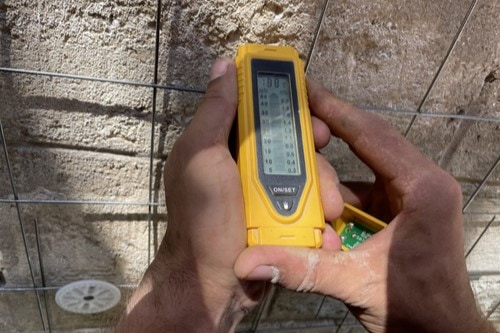
If those materials stay wet, conditions can remain favorable for microbial growth. We use moisture meters and other detection tools to identify affected areas that are not obvious by touch or appearance. In some cases, sections of drywall or other finishes may need to be opened to access wet materials and improve airflow.

What are the signs of hidden mold from a bathroom leak?

Hidden mold may cause musty odors, discoloration, peeling finishes, soft drywall, or recurring moisture problems. In some cases, there may be no visible mold on the surface even though growth is present inside a wall or ceiling cavity. The most important clue is often a combination of persistent moisture and unexplained changes in nearby materials.
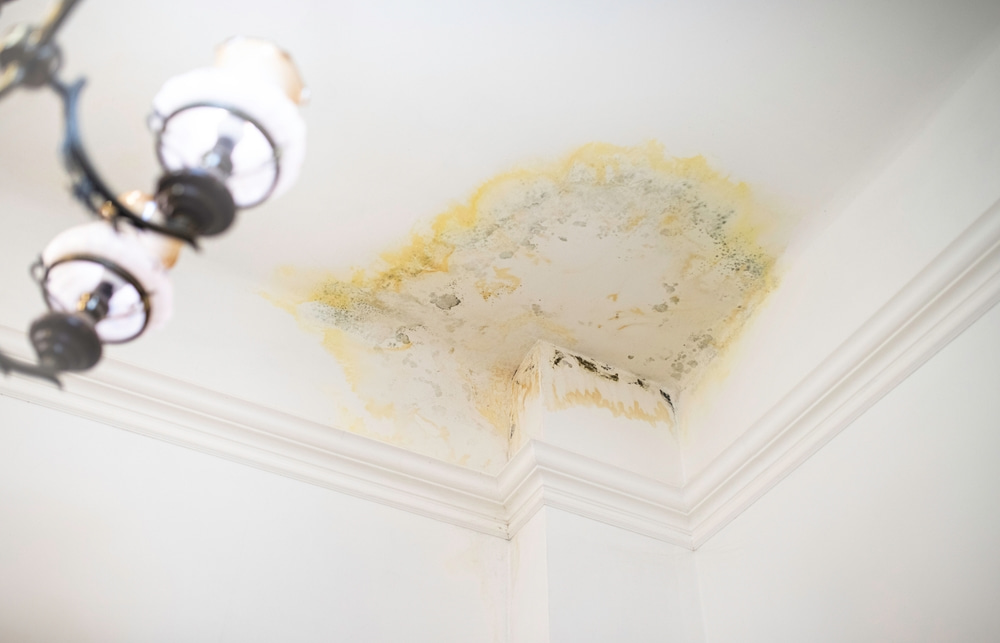
What are the signs of hidden mold from a bathroom leak

A musty odor can appear before visible growth

A persistent earthy or musty smell near a bathroom, adjoining room, closet, or hallway can indicate excess moisture or microbial activity. The odor may become stronger after showers or when indoor humidity rises. If cleaning the visible bathroom surfaces does not eliminate the smell, the source may be hidden behind walls, below flooring, or above the ceiling.

Keep in mind that odor alone does not confirm the exact location of mold, but it can be a reason to investigate further.

Changes in walls, ceilings & flooring can signal hidden moisture

Water-damaged materials often change before mold becomes clearly visible.

Watch for:

  • Peeling or bubbling paint
  • Discolored drywall or ceilings
  • Swollen baseboards
  • Soft or crumbling wall surfaces
  • Warped flooring
  • Loose tiles
  • Repeated staining after cleaning
  • Persistent dampness around fixtures

Mold can develop on the opposite side of a bathroom wall

A leak behind a vanity, shower, or toilet may affect the room on the other side of the wall. Mold may develop on drywall backing, insulation, framing, or other concealed materials before it becomes visible indoors. This is why checking only the bathroom can miss a big part of the problem.

If damage appears in an adjoining space, the moisture source should be traced rather than treating the visible stain or surface growth alone. Cleaning a small patch without stopping the leak and drying the cavity may allow the problem to return.

When should you call for mold remediation after a bathroom leak?

You should call our professional mold remediation team when a bathroom leak has caused visible mold, persistent musty odors, widespread moisture, or contamination inside walls and other concealed areas. You may also need remediation when damaged materials cannot be safely or effectively cleaned in place.

However, the priority is always to stop the leak first. Mold remediation cannot solve an active moisture problem if water continues entering the structure.

Mold remediation may be needed when the damage extends beyond the surface
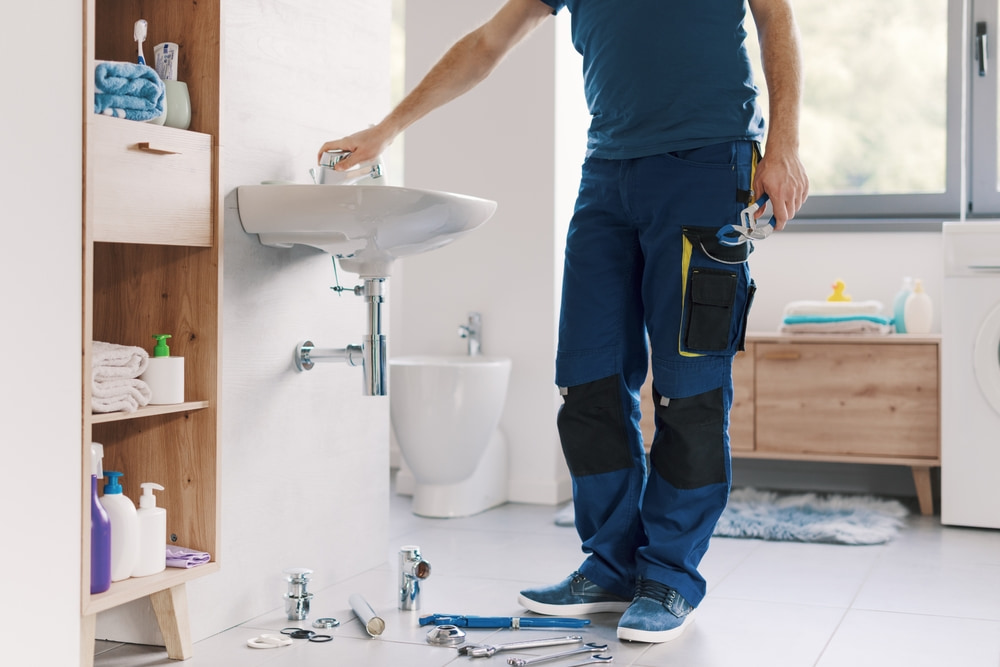
When should you call for mold remediation after a bathroom leak

Small surface spots caused by ordinary bathroom humidity are different from mold growing because of a plumbing leak inside the structure.

Professional remediation becomes more important when:

  • Mold is visible across multiple materials
  • Growth returns after surface cleaning
  • A strong musty odor persists
  • Water has remained hidden for an extended period
  • Drywall, insulation, or other porous materials are affected
  • Moisture has spread into adjoining rooms
  • The wall or ceiling cavity needs to be opened

Who are the leading specialists in mold remediation in Encinitas, CA & beyond?

If a bathroom leak has left you concerned about hidden mold, Risk Free Serv can help identify the affected areas and determine the right next steps. We specialize in moisture inspections in Encinitas and throughout the county, including homes around the San Diego Botanic Garden. We have a vetted, certified team of experienced professionals equipped with modern technologies to help property owners get their lives back on track with as little inconvenience as possible.

We can also help you understand what to do after a burst pipe, how to handle a wastewater backup at home, and when flood damage needs structural repair as part of a broader restoration response. Don’t lose a minute more before reaching out to us to assess the damage, inspect for lingering moisture, and help restore your home safely and thoroughly. Call us ASAP!
After a Burst Pipe in the Wall: Why Emergency Plumbing May Not Be Enough

Key Takeaways

  • Stop the water supply quickly when a pipe bursts inside a wall.
  • Hidden moisture can spread beyond the visible leak and damage nearby materials.
  • Burst pipes can create mold risks when damp areas are not dried properly.
  • Plumbing repair stops the leak, but restoration handles the water damage.
  • Professional drying helps prevent further damage and supports safe repairs.

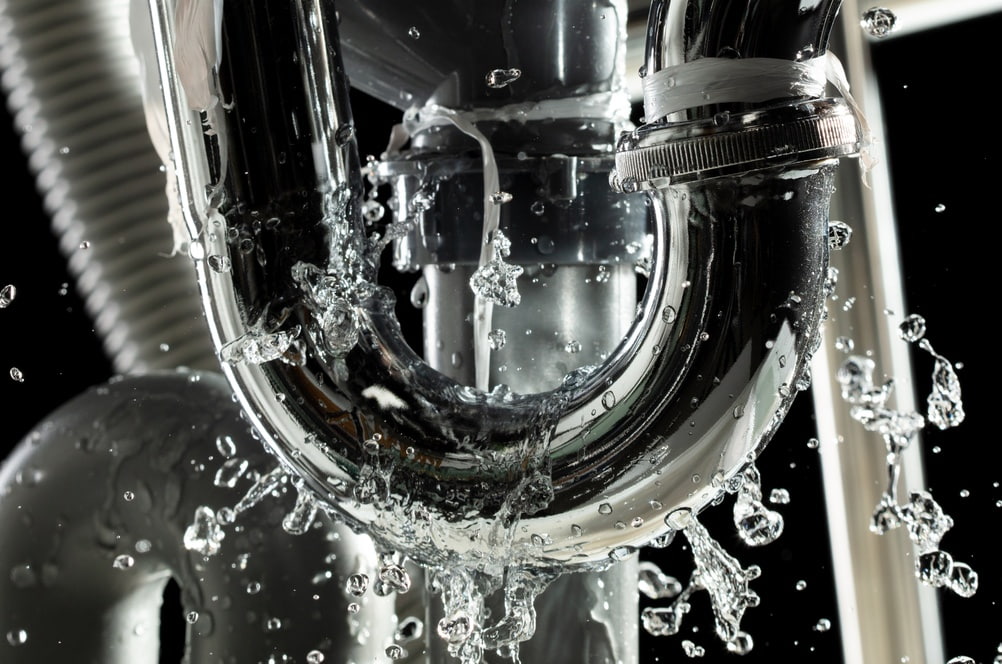
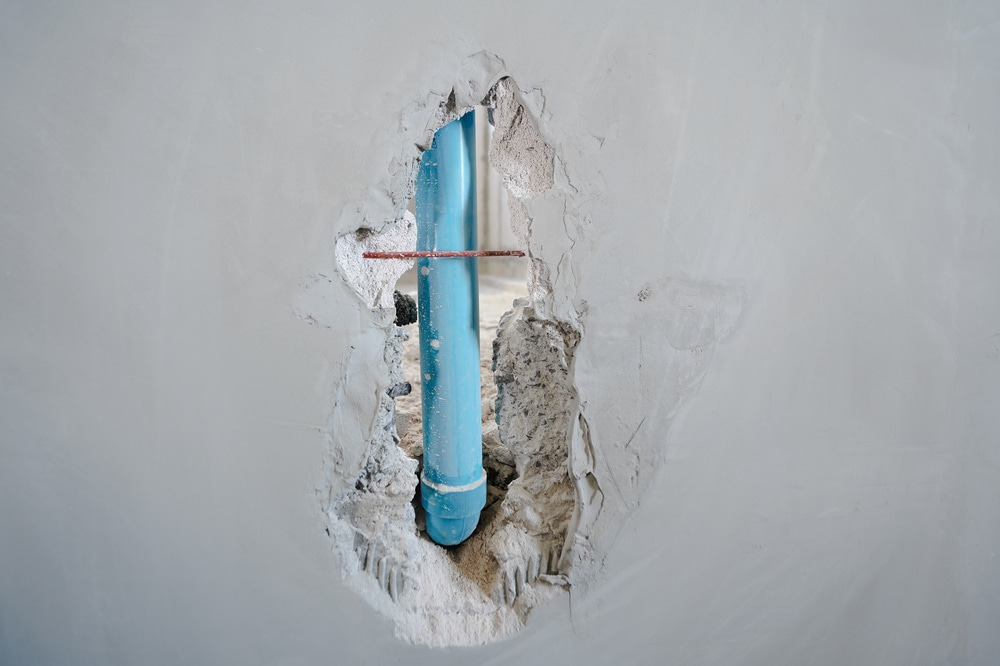
A burst pipe inside a wall can cause far more damage than the visible leak suggests. Water may spread through drywall, insulation, flooring, framing, and adjoining rooms before you realize how much of the property has been affected. Our emergency plumbers can stop the source, repair the damaged pipe, and help prevent additional water from entering the space. However, fixing the plumbing problem does not automatically remove the water that has already soaked into the building.

Moisture trapped behind walls can continue damaging materials long after the leak stops. It may weaken drywall, affect wood components, create odors, and increase the risk of microbial growth. That is why a burst pipe often requires two separate responses: plumbing repair to stop the water damage in Encinitas and professional restoration to dry, clean, and repair the affected areas.

What should you do when a pipe bursts inside a wall?

When a pipe bursts inside a wall, stop the water supply as quickly as possible and call our emergency plumbing repair team. Once we have the leak under control, we will inspect the affected areas for hidden moisture and water damage.

A burst pipe can release a surprising amount of water in a short period. Because the pipe is concealed, much of that water may travel through the wall cavity before appearing on the floor or ceiling. By the time staining, bubbling paint, or dripping water becomes visible, nearby materials may already be saturated.

If it is safe to do so, shut off the property’s main water valve before our plumbers arrive. Turn off electricity to heavily affected areas, especially if the water is near outlets, wiring, appliances, or electrical panels. Avoid entering an area where water and electrical hazards may be present.

Watch for signs that water has spread beyond the leak

The visible damage does not always show the full extent of the problem. Water can move through structural cavities and absorb into porous building materials.

Can a burst pipe cause mold behind walls

Common signs of hidden water damage include:

  • Soft or swollen drywall
  • Peeling paint or wallpaper
  • Water stains on walls or ceilings
  • Damp carpet or flooring
  • Warped baseboards or trim
  • Musty or unusual odors
  • Sagging ceiling materials
  • Moisture appearing in an adjoining room

Have the affected areas checked for hidden moisture

After we repair the pipe, moisture detection is the next important step. Our water damage restoration professionals use moisture meters and other equipment to determine where water has traveled and which materials remain wet.

This assessment helps establish the actual drying area. Simply wiping up visible water or placing a household fan near the damaged wall may not address moisture trapped inside insulation, wood framing, or subflooring.

Depending on the amount of water and the materials involved, restoration work may include water extraction, controlled removal of damaged materials, air movement, dehumidification, and ongoing moisture monitoring.

Can a burst pipe cause mold behind walls?

Unfortunately, yes. A burst pipe can create conditions that support mold growth when moisture remains trapped behind drywall, insulation, or other building materials. Most homeowners may not immediately see what is happening inside the wall, and the first signs usually appear days later. Luckily, professional drying services can significantly reduce the risk of mold growth.

Wall cavities can be especially vulnerable because moisture may remain hidden after the visible water disappears. Damp drywall, paper backing, wood, dust, and other organic materials can provide suitable conditions for microbial growth when they stay wet.

Why hidden moisture creates a problem

A closed wall cavity receives less airflow than an open room. If water soaks into insulation or reaches framing, those materials may dry much more slowly without proper intervention.

Several factors influence how quickly conditions can deteriorate, including:

  • How long the leak continued
  • How much water entered the wall
  • The materials that became wet
  • Indoor temperature and humidity
  • Whether insulation is present
  • How quickly professional drying begins

Drying should be controlled & monitored

Professional structural drying involves more than placing fans around the room. Our restoration team chooses the drying equipment based on the size of the affected area, moisture levels, and the type of materials involved.

Air movers help increase evaporation from wet surfaces, while dehumidifiers remove excess moisture from the air. Moisture readings can then be taken throughout the drying process to confirm whether materials are responding properly.

Do you need water damage restoration after a plumber fixes the leak?

Do you need water damage restoration after a plumber fixes the leak

It all depends on the situation and varies from one case to the next. You may need water damage restoration if the burst pipe allowed water to soak into walls, floors, insulation, ceilings, or other building materials. Water damage restoration may also be necessary after wastewater emergencies to remove contamination, control moisture, and help return the affected space to safe conditions. While our plumbers address the source of the leak, our restoration team takes care of the damage caused by water that escaped. These services solve different parts of the same emergency.

Our plumbers may need to cut into the wall, replace the failed section of pipe, and restore the plumbing system. Once that work is complete, however, wet drywall, soaked insulation, damaged flooring, or moisture inside framing can remain. Leaving those materials untreated can lead to further deterioration and make later repairs more extensive.

Plumbing repair stops the problem at its source

Emergency plumbing is the priority because drying cannot succeed while water is still entering the property.

Our plumbers’ role usually includes:

  • Locating the failed pipe
  • Shutting down the affected water line
  • Repairing or replacing damaged plumbing
  • Testing the repair for leaks
  • Restoring water service when appropriate

Restoration addresses the water that escaped

We start our water damage restoration service with a thorough inspection of the affected area. Our restoration team determines where the water traveled, how deeply materials were affected, and what can be dried in place.

Depending on the situation, the process may involve:

  • Extracting standing or trapped water
  • Removing unsalvageable drywall or insulation
  • Drying framing, flooring, and other structural materials
  • Using dehumidification to control indoor moisture
  • Cleaning affected surfaces when necessary
  • Monitoring moisture levels until drying goals are reached
  • Preparing the space for repairs or reconstruction

Repairing the pipe & restoring the room are two different stages

A repaired pipe means the active leak has ended. It does not necessarily mean the water damage is resolved.

If you react quickly and the minor leak is caught almost immediately, the drying process may be limited. However, a larger burst behind a wall usually requires a much more involved response, particularly when water reaches several rooms or multiple building materials.

Handling both stages correctly helps prevent hidden moisture from being sealed behind new drywall, flooring, or finishes. It also gives contractors a dry, stable area to work with when repairs begin.

Who can help me deal with residential water damage in Encinitas, CA & the nearby areas?

residential water damage in Encinitas, CA

If a burst pipe has left water inside your walls, floors, or other parts of your home, Risk Free Serv is your go-to team to assess the damage quickly and prevent a smaller problem from becoming more complicated and extensive down the line. Our water damage restoration team serves homeowners throughout Encinitas, including neighborhoods near the San Elijo Lagoon Ecological Reserve

We can inspect the affected areas, identify hidden moisture, begin professional drying, and help determine what materials may need further repair. Reach out to us without delay, and we’ll get the restoration process moving quickly. Every moment counts, so let’s not waste any more time. Contact us now!

Mold After Wood Floor Water Damage: When to Worry

  • Mold can begin growing under damp wood flooring within 24 to 48 hours.
  • Musty odors, stains, loose boards, and buckling may signal hidden mold.
  • Wood floors may be saved when clean water is removed, and drying begins quickly.
  • Severe buckling, contamination, or persistent moisture may require floor removal.
  • Stop the leak, remove standing water, document damage, and test for hidden moisture.

Water on a wood floor can look manageable once the puddle is gone, but the surface rarely tells the whole story. Moisture can seep through plank joints, collect beneath the flooring, and remain trapped in the underlayment or subfloor long after the boards feel dry. If the area is not dried properly, hidden moisture may lead to swelling, adhesive failure, staining, and, ultimately, a call to proven specialists in mold remediation in Clairemont.

The level of concern depends on how much water entered the floor, how long it remained there, where it traveled, and whether the water was clean or contaminated. A small spill handled immediately is very different from a supply-line leak, appliance overflow, or sewage backup that soaked several rooms. Knowing which changes are normal drying effects and which point to a deeper problem can help you act swiftly before the damage spreads.

How long does it take mold to grow after water damage?

mold remediation clairemont

Mold can begin developing within 24 to 48 hours when wood and nearby building materials remain damp. That does not mean a visible colony will always appear within two days. Early growth may be concealed beneath boards, along the underside of the flooring, or on the subfloor. The EPA recommends drying water-damaged materials within that 24- to 48-hour window to reduce the chance of mold growth.

Temperature, indoor humidity, air movement, and the amount of moisture in the floor all affect the timeline. Wood is porous and can retain water below its finished surface. Even when towels or household fans remove visible moisture, the lower layers may stay wet. The risk increases when water reaches plywood or oriented strand board, becomes trapped under a low-permeability finish, or remains beneath flooring installed over concrete.

How do I know if mold is under my wood floor?

Possible signs include a musty odor, persistent moisture, dark staining, loose boards, and changes in the shape or feel of the floor. None of these symptoms proves that mold is present on its own, but several appearing after a leak should be taken seriously. Our moisture assessment and targeted inspection can determine whether the problem is limited to the finish or extends beneath the flooring.

A musty odor that does not go away

A stale, earthy smell is one of the strongest clues that microbial growth or damp material may be hidden. It may become more noticeable when the room has been closed overnight, or indoor humidity rises. Cleaning the visible floor may briefly mask the unpleasant smell, but a recurring odor often points to a problem below the surface. Mold can be hidden beneath flooring and other building materials, so the absence of visible spots does not rule it out.

Cupping, crowning, or buckling boards

Wood changes shape as it absorbs and releases moisture. Cupping raises the edges of a board, while crowning lifts the center. Buckling is more severe and may pull boards away from the subfloor. These changes do not automatically mean mold is present, but they show that moisture has moved into the flooring system and may still be trapped there.

Dark stains or unusual discoloration

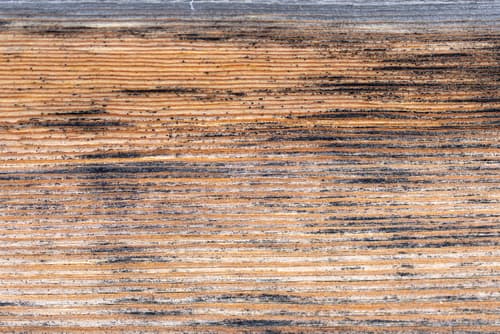
Black, gray, green, or brown marks near plank seams, baseboards, cabinets, or the original leak area deserve a closer look. Some discoloration comes from tannins, fasteners, or finish damage rather than mold. Stains that spread, return after cleaning, or appear alongside an odor and elevated moisture are more concerning.

Soft, spongy, or unstable areas

A floor that feels soft, springy, or uneven may indicate damage to the underlayment or subfloor. Moisture can weaken engineered wood layers, affect adhesives, and deteriorate wood-based panels. By the time the surface feels unstable, the loss may extend beyond a cosmetic repair. Try to limit traffic until our team has evaluated the materials underneath.

Boards that separate or feel loose

mold remediation clairemont (2)

Gaps may appear as wet boards swell and later shrink. Engineered flooring can delaminate, and glued-down products may release when adhesive is exposed to moisture. Loose boards may create openings where odor escapes from below. They can also indicate that the assembly has remained wet long enough to affect more than the surface finish.

Moisture readings that remain elevated

A floor can look normal while a moisture meter shows that the boards or subfloor are still wet. Restoration professionals compare readings from the affected area with unaffected materials of the same type. The pattern matters more than one number because wood species, flooring construction, and normal indoor conditions all influence moisture content.

Should I pull up hardwood floors after water damage?

Hardwood should not be pulled up automatically after every spill or leak. With prompt extraction and controlled drying, we may be able to save solid hardwood if the water was clean, exposure was brief, and the flooring and subfloor can be dried thoroughly. Removing boards too early can cause unnecessary damage, while leaving saturated materials in place can trap moisture and allow mold or deterioration to continue.

Removal becomes a more likely option when moisture remains high despite drying, boards are badly buckled, engineered layers are separating, or the subfloor cannot be reached effectively. The water source matters as well. A clean supply-line leak may leave more restoration options than a dishwasher discharge, toilet overflow, or sewage backup. Keep in mind that contaminated water can carry microorganisms, and we may need to remove materials that cannot be cleaned adequately in place.

What should you do after discovering water under hardwood flooring?

mold after wood floor water damage when to worry

Stop the source first, then remove standing water and move rugs, furniture, and other wet items away from the area until our team arrives. You can also photograph the damage before we start with the cleanup and remediation for future insurance purposes. Avoid relying on bleach, fragrances, or excessive heat. These measures may damage the finish, mask odors, or make the surface seem dry while moisture remains underneath.

Our professional water damage restoration includes moisture mapping, extraction, controlled drying, and repeated measurements. We use infrared imaging to locate temperature differences associated with moisture. We also use meter readings and physical inspection to confirm the presence of mold. If there is a real possibility of hidden mold growth, we may need to inspect the underside of your flooring, underlayment, and subfloor.

Who has the reputation as the leader in mold remediation in Clairemont, San Diego?

If water has reached your wood flooring, acting quickly can help limit mold growth, structural damage, and unnecessary replacement. Whether you’re located close to San Clemente Canyon or on the southern part of town, Risk Free Serv is the top-rated team for all types of mold remediation in the wider San Diego area. With certified professionals, industry-grade equipment, and an approach that prioritizes attention to detail and causes as little inconvenience as possible, you can count on us to arrive quickly, go deep beneath the surface, and do it all while respecting your property and daily routine.

If you’re looking for answers to why water damage can stay hidden in older homes, which areas homeowners often skip during flood cleanup, or whether water-damaged hardwood floors can be saved, we’re here for all this and so much more. Just reach out to us, and we’ll come to take a deeper look and offer practical guidance based on the condition of your home. Don’t waste precious time because every moment counts—call us now!

Why Older Clairemont Homes Can Hide Moisture Problems

  • Older Clairemont homes can hide moisture behind finished surfaces.
  • Small stains, soft trim, or musty smells may signal deeper damage.
  • Aging plumbing can leak slowly inside walls, cabinets, or floors.
  • Surfaces may dry while subfloors, drywall, or framing stay damp.
  • Professionals can inspect, dry, remove, and restore damaged areas.

In an older home, water doesn’t always leave a clear trail. A small stain, soft baseboard, or faint musty smell may be the first visible clue, but moisture could already be behind cabinets, under flooring, or inside wall cavities.

That’s why water damage in a Clairemont home should be taken seriously, even when it looks minor. Older materials, past remodels, and aging plumbing can all make moisture harder to trace. A slow leak or damp wall edge can quietly spread before anyone realizes how much of the home has been affected.

Read on to learn why older homes in the area are more likely to hide moisture issues and what to check before the damage gets worse.

Why are older homes more vulnerable to water damage?

why older clairemont homes can hide moisture problems

Older homes are more vulnerable because they often have decades of repairs, remodels, and material changes layered into the same structure. A home may have original framing in one area, newer drywall in another, updated flooring over an older subfloor, and plumbing that was only partially replaced.

Since Clairemont is a post-World War II community, many of its homes were built in the 1950s and 1960s. Those homes can be well cared for and still have hidden weak points simply because materials, seals, fixtures, and pipe connections age over time.

Older materials don’t all react the same way

Some materials show moisture quickly. Others hold it quietly. Drywall may stain, wood trim may swell, insulation may stay damp, and cabinet bases may absorb moisture from below before the face of the cabinet looks damaged.

Common vulnerable areas include:

  • Baseboards near bathrooms, kitchens, and laundry rooms
  • Cabinet toe kicks under sinks
  • Flooring seams and thresholds
  • Walls shared with plumbing fixtures
  • Ceilings below upstairs bathrooms
  • Closets or corners with limited airflow

Remodeling can also hide the path of a leak. New cabinets may cover older wall sections, while new flooring may trap damp layers underneath. Patched drywall may not show staining the same way as the original wall beside it, so checking the parts of your older home beyond the obvious stain matters.

How can old plumbing cause hidden water damage?

Old plumbing can create hidden damage when pipes, fittings, valves, or supply lines release water slowly inside a wall, cabinet, ceiling, or floor system. Unlike a dramatic pipe burst, a small leak may run for days or weeks before it leaves an obvious puddle.

If it’s older or weakened, plumbing in your home can lead to expensive damage when problems are not found early. In many homes, the most concerning leaks are not the ones that spray across the room. They are the ones that drip into finished spaces and stay quiet.

Slow leaks often leave subtle clues

A hidden plumbing leak may show up as:

  • Paint that bubbles or peels
  • A soft patch near the baseboard
  • A musty smell near a cabinet or wall
  • Warped flooring close to a fixture
  • Staining on the ceiling below a bathroom
  • A cabinet floor that feels swollen or brittle

A plumber may need to stop the active leak, but that doesn’t mean the affected materials are dry. After the source is repaired, moisture inside the wall may still need attention before the area is closed, painted, or rebuilt.

Interior water problems remain a recurring driver of residential losses because indoor leaks can reach finished materials before homeowners know they are there. Older homes can make that spread harder to trace, especially if moisture can spread behind walls or under floors before the damage is visible.

Can water damage spread behind walls or under floors?

Yes. Moisture can move behind walls, under floors, and into adjacent spaces. Water follows seams, gravity, porous materials, and enclosed cavities. A surface may feel dry while the layers behind or below it are still holding moisture.

That is why wiping up the visible wet spot is not always enough. If water reached a baseboard, wall edge, subfloor, cabinet base, or ceiling cavity, it may have moved farther than the original mark suggests.

The surface can dry before the structure does

Paint, tile, vinyl, or the top layer of flooring may dry faster than the material underneath. This can make a room look better while moisture remains in drywall backing, wood framing, subflooring, insulation, trim, baseboards, cabinets, or adjacent rooms. 

Moisture control matters because wet areas and items should usually be dried within 24 to 48 hours to help prevent mold growth. If a bathroom, laundry room, or kitchen leak is involved, mold can also appear beyond the original room when moisture moves through shared walls or flooring edges.

What should you check after finding water damage in an older home?

water damage clairemont

After finding water damage in an older home, check the source, shared walls, baseboards, cabinet bases, flooring edges, ceilings below the affected area, nearby closets, and any lingering musty odors. The visible stain or soft spot may be only the first clue, not the full boundary of the problem.

Start with safety. If water is near outlets, appliances, ceiling fixtures, or electrical panels, avoid contact until the area is safe. If a ceiling is sagging, flooring feels unstable, or the water may be contaminated, do not treat it like a simple cleanup.

A practical checklist for older homes

Look closely at:

  1. The source: Make sure the leak or intrusion is no longer active.
  2. Shared walls: Check the room on the other side of the affected wall.
  3. Baseboards and trim: Watch for swelling, separation, softness, or staining.
  4. Cabinet bases: Under-sink areas can hide damp wood and odor.
  5. Flooring edges: Moisture often travels at seams, thresholds, and transitions.
  6. Ceilings below: Upstairs leaks may appear as stains or soft drywall below.
  7. Nearby closets: Low airflow can keep damp materials from drying quickly.
  8. Odors: A musty smell that returns after cleaning may point to trapped moisture.

If the moisture came from stormwater, a garage entry, or a low exterior threshold, wall edges and low spots may need closer inspection even after the standing water is gone.

Be careful about opening materials yourself

It can be tempting to pull trim, cut drywall, or lift flooring to see what happened. In some cases, those steps are part of the restoration plan. But doing them too early can create safety issues, disturb mold, or make the damage harder to document.

Mold cleanup can involve health and injury risks after a small leak or major flood, especially for people with asthma, allergies, immune concerns, or respiratory conditions. When materials have been wet for a while, a careful inspection can help determine what can dry in place and what may need removal.

Who should you contact if you’re dealing with water damage in Clairemont?

If you notice staining, soft drywall, swollen trim, damp flooring, or a musty smell, do not cover the area with paint or repairs until you know how far the moisture traveled. What looks like a small spot may involve hidden dampness behind finishes, under flooring, or around older materials.

Risk Free Serv can inspect the affected space, locate hidden moisture, dry materials that can be saved, remove damaged sections when needed, and guide the restoration from the first inspection to the final repair.

Older residences in Clairemont deserve careful attention because moisture can hide behind additions, aging materials, and finished surfaces. When the visible damage may only be part of the problem, getting professional help quickly can protect the rest of your home. Contact us today to schedule service and get your home checked before the damage spreads further.

Common Signs You Need Flood Damage Repair After a Flood

  • Hidden moisture can stay behind walls, floors, and insulation after a flood.
  • Stains, discoloration, and peeling surfaces often signal deeper water damage.
  • Warped floors, swollen trim, and soft drywall can mean materials absorbed water.
  • Musty odors and mold growth often point to trapped moisture that was missed.
  • Floodwater from outside can contaminate materials, even when they look fine.

After flood damage in Rancho Santa Fe, most homeowners usually focus first on the most obvious issues. Standing water, soaked carpet, ruined furniture, and mud left behind are hard to miss. The bigger problem is that water damage often does not stop at what you can see. Water can get behind walls, under flooring, into insulation, and around structural materials long before the surface looks dry again. That hidden moisture can lead to swelling, staining, odor, mold growth, and ongoing deterioration if it is not addressed properly.

That is why comprehensive flood damage remediation includes much more than just fixing what looks damaged. It is about identifying how far the water reached, what materials were affected, and whether the home is actually drying out the way it should. Some signs show up right away, while others become noticeable days later. Knowing what to watch for can help you catch deeper issues early and avoid more costly repairs down the line, so let’s take a deeper look.

What are the signs of flood damage in a house?

Consequences of flood damage can show up in different ways depending on how much water entered the home, how long it sat, and which materials were affected. Some telltale signs are obvious, while others are easier to miss until the damage starts spreading.

Water stains & discoloration

One of the clearest signs of flood damage is visible staining. You may notice brown, yellow, or dark marks on drywall, ceilings, baseboards, or lower sections of walls. These stains often show where water traveled or where moisture stayed trapped after the flood. Discoloration can also appear on flooring, trim, cabinetry, and other porous materials. 

Warped or swollen materials

Floodwater often causes building materials to expand, soften, or lose their shape. Wood floors may cup or buckle. Laminate can lift at the edges. Baseboards may swell, and cabinets can start to look misshapen or uneven. If materials are changing shape, separating, or no longer sitting flush, that is a strong sign that flood damage repair may be needed.

Musty odor that does not go away

A lingering musty smell is one of the biggest red flags after a flood. Even when visible water is gone, trapped moisture can remain inside walls, under floors, or in insulation. That damp environment often creates the kind of odor homeowners notice first before they spot actual mold or material damage.

Soft spots, peeling, or bubbling surfaces

Flood damage often weakens materials from the inside out. Paint may begin to bubble or peel. Drywall tape can loosen. Flooring may feel soft, spongy, or unstable underfoot. In some cases, sections of the wall may feel unusually cool or damp compared to surrounding areas.

Mold growth or visible mildew

Mold can begin growing quickly when flood-damaged materials stay damp. You may see black, green, white, or gray spotting on walls, trim, flooring edges, or stored items. In other cases, mildew may show up as a lighter surface film with a persistent damp smell. If mold appears after a flood, it usually points to a moisture problem that was never fully resolved.

Damaged flooring or carpet

Flooring often takes the hardest hit after a flood. Carpet may stay damp, smell bad, or separate from the tack strip. Wood flooring can warp or lift. Vinyl and laminate may trap water underneath, even if the top looks fine. Subfloor damage is also common. If floors feel uneven, soft, or unstable after a flood, the problem may extend below the finished surface.

Cracked, loose, or damaged drywall

Drywall is highly vulnerable to floodwater. Once saturated, it can weaken fast and may not dry evenly. You might notice cracks, crumbling edges, loose texture, or damage along the lower part of the wall. The longer it stays wet, the less likely it is to be salvageable.

How do I know if I need flood damage repair?

You likely need flood damage repair if water has affected building materials, not just surface items. Cleanup alone is not enough when drywall, flooring, insulation, cabinets, or structural materials have absorbed moisture. Visible signs like staining, swelling, peeling, odor, or mold usually mean the home needs more than basic drying.

You should also take the situation seriously if the floodwater came from outside. Stormwater can carry contaminants that make certain materials unsafe to keep, even if they look recoverable

Who should I call to help me deal with flood damage in Rancho Santa Fe, CA?

As the leading team of emergency plumbers in the North County region, Risk Free Serv is here to help you catch the warning signs before they turn into bigger repairs. If you’re having trouble with warped flooring, musty smell, stained walls, or soft drywall, we have the advanced tools and the latest in cleanup technologies to help you get rid of water and moisture in an efficient and effective way. Don’t wait for the whole day to pass before calling for help. The sooner you turn to our pros, the greater the chances are that we’ll be able to restore most of your possessions to their original stateand prevent further damage from setting in.

One thing you shouldn’t do is try DIYing post-flood cleanup, especially when water may have spread farther than it first appears. We have the equipment, an eye for detail, and the experience to know what should be done first and how. To make sure that your home is truly dry, safe, and ready to move forward, call us ASAP!

How to Keep Your Beachfront Home Mold-Free

  • Keep your beachfront home mold-free by managing moisture and airflow.
  • Regular HVAC maintenance and leak checks can prevent mold growth.
  • Hidden mold signs include mildew smells and damp surfaces.
  • Improve ventilation in moisture-prone areas to reduce mold risk.
  • Professional help may be needed when mold keeps recurring.

Mold is one of the most common concerns homeowners raise in beachfront properties, not because of neglect, but because coastal conditions make moisture difficult to control year-round. Even well-maintained homes can experience recurring mold or mildew in areas that seem clean and dry, leaving homeowners frustrated when the problem keeps coming back. In many cases, the issue isn’t a single leak or visible water source, but a combination of airflow, moisture retention, and everyday coastal exposure.

What makes mold in beachfront homes in Coronado particularly challenging is how quietly it develops. A faint musty smell or slight discoloration may seem minor at first, yet they often point to ongoing moisture issues that shouldn’t be ignored. In this article, we’ll explore why mold is so common in beach houses, how homeowners can manage and prevent it, and when it makes sense to consult a professional water damage company in Coronado to address deeper moisture concerns before they turn into larger problems.

Is mold common in beach houses?

Mold is common in beach houses because coastal conditions make moisture control more difficult throughout the year. Even Coronado homes that are well-maintained can develop mold or mildew when humid air consistently enters interior spaces and lingers without fully drying.

What often surprises homeowners is that mold in beachfront properties isn’t limited to older homes or visible water damage. New construction and recently renovated homes can experience mold growth if moisture management isn’t properly balanced.

How do you deal with mold or mildew in oceanfront properties

Why do beachfront homes face higher mold risk?

Mold needs only moisture and a surface to grow, both of which are readily available in oceanfront environments. Daily exposure to humid air allows moisture to settle on walls, ceilings, and hidden materials long before any surface signs appear.

Contributing factors commonly include:

  • Consistent exposure to humid coastal air
  • Reduced drying time between moisture cycles
  • Salt in the air that attracts and holds moisture on surfaces
  • Enclosed areas with limited airflow

Because these conditions persist, mold pressure builds gradually rather than appearing after a single event.

Mold doesn’t always look obvious at first

In beachfront homes, mold often begins out of sight. Early signs may include faint discoloration, recurring mildew odors, or surfaces that feel damp without visible water intrusion. Closets, bathrooms, HVAC components, and areas behind furniture are frequent starting points. This subtle progression is why mold can become established before homeowners realize there’s an issue.

Why prevention plays a larger role near the coast

Once mold develops, it tends to return unless moisture conditions are addressed. Surface cleaning alone rarely solves the problem long term. In oceanfront homes, prevention focuses on controlling indoor moisture levels, maintaining airflow, and identifying vulnerable areas early rather than reacting after mold becomes visible.

How do you deal with mold or mildew in oceanfront properties?

Dealing with mold or mildew in Coronado starts with addressing moisture control rather than just removing visible growth. While surface cleaning may temporarily improve appearance, mold will continue to return unless the conditions allowing it to grow are corrected. Long-term control depends on reducing moisture buildup and identifying hidden problem areas. In Coronado coastal homes, mold control is less about a one-time fix and more about an ongoing strategy.

Start with proper moisture management

The most effective way to control mold is by limiting the amount of moisture available indoors. This includes paying attention to everyday activities that introduce humidity into the home, such as cooking or showering.

Practical steps often include improving ventilation in moisture-prone areas, ensuring exhaust fans are functioning properly, and avoiding situations where damp air becomes trapped in enclosed spaces like closets or cabinets. Even small improvements in airflow can significantly reduce mold-friendly conditions.

Clean mildew carefully

When mildew appears on non-porous surfaces, gentle cleaning can be effective, but harsh chemicals or repeated scrubbing often do more harm than good. Overcleaning can damage finishes and release spores into the air without addressing the underlying cause. If mildew returns quickly after cleaning, that recurrence is a strong indicator that moisture levels remain too high and need to be addressed at the source rather than repeatedly treated on the surface.

Pay attention to hidden areas

Oceanfront homes in Coronado face issues with mold that frequently develops in places that aren’t part of daily routines. Areas behind furniture, inside HVAC systems, under sinks, and within wall cavities are common problem zones.

Regular inspections of these spaces help catch early growth before it spreads. Persistent odors or localized discomfort often point to mold developing out of sight rather than on visible surfaces.

Know when professional help makes sense

When mold continues to return or appears in multiple areas of the home, professional assessment becomes important. Specialists can determine whether moisture is coming from environmental conditions, ventilation issues, or hidden water intrusion, allowing the problem to be addressed comprehensively instead of room by room.

Can HVAC maintenance reduce mold issues?

Can HVAC maintenance reduce mold issues

Regular HVAC maintenance can significantly reduce mold issues by controlling moisture and preventing damp conditions from lingering inside the home. A well-maintained system helps regulate humidity levels and keeps air moving, which makes it harder for mold and mildew to take hold. In Coronado, HVAC systems often play a bigger role in mold prevention than homeowners realize.

Because HVAC systems circulate air throughout the entire house, any moisture or mold-related issue within the system can affect multiple rooms at once.

How do HVAC systems influence mold growth?

HVAC systems impact mold in two critical ways: humidity control and air circulation. When systems are not properly maintained, moisture can build up inside ductwork, coils, and drain pans, creating ideal conditions for mold growth.

Common HVAC-related contributors include clogged condensate drains, dirty coils that hold moisture, and filters that restrict airflow. Over time, these issues can allow mold spores to spread through vents rather than remain isolated in one area.

The importance of airflow and filtration

Consistent airflow helps prevent damp conditions where mold thrives. When airflow is reduced, certain rooms may stay cooler or more humid than others, allowing moisture to linger.

Clean air filters and unobstructed vents help maintain balanced air movement throughout the home. In coastal environments, filters may need more frequent replacement due to salt and airborne particles that can reduce efficiency faster than expected.

Maintenance as a preventive measure

Routine HVAC inspections allow small issues to be corrected before they create widespread moisture problems. Checking drainage systems, ensuring proper ventilation, and confirming that humidity control features are functioning correctly all play a role in reducing mold risk.

While HVAC maintenance alone won’t solve every mold issue, it is one of the most effective preventive steps homeowners can take, especially in beachfront properties where moisture exposure is constant.

Are regular leak checks worth it near the coast?

Regular leak checks are worth it near the coast because even small leaks can add enough moisture to trigger mold growth in an already humid environment. In beachfront homes, minor leaks often go unnoticed longer, allowing moisture to build up behind walls, under flooring, or inside cabinets. Catching these issues early helps prevent mold from becoming a recurring problem rather than a one-time cleanup.

Near the coast, leaks don’t always behave the way homeowners in Coronado expect. Instead of dramatic water damage, they often create subtle, persistent dampness that blends into existing humidity.

Why do small leaks matter more in beachfront homes?

Even a minor drip or seep can tip moisture levels over the edge when humidity is already present. Over time, that extra moisture can accumulate in hidden areas and create ideal conditions for mold. Regular leak checks help identify:

  • Slow plumbing leaks under sinks or behind appliances
  • Minor roof or flashing issues that allow moisture intrusion
  • Window and door seals that have degraded due to salt exposure
  • Hose bibs and exterior connections that allow water to seep inward

Because these leaks don’t always produce visible water, they’re easy to miss without intentional inspections.

Leak checks help rule out bigger problems

When mold or mildew appears, homeowners often assume a leak is to blame. Routine leak inspections make it easier to confirm whether plumbing or exterior water intrusion is contributing to the issue or whether moisture is coming from environmental conditions instead.

This distinction matters. Treating mold caused by humidity requires a different approach than addressing mold tied to an active leak, and knowing the difference prevents unnecessary repairs or repeated surface treatments.

Preventive inspections save time and disruption

Regular leak checks reduce the likelihood of surprise repairs and invasive tear-outs. Identifying small issues early allows them to be addressed before moisture spreads into surrounding materials or finishes.

In homes in Coronado and along the coast, proactive inspections are less about finding major failures and more about managing moisture before it has a chance to create long-term problems.

What is the best water damage company near me in Coronado?

best water damage company near me in Coronado

Beachfront homes face a unique set of moisture and mold challenges, and addressing them properly requires more than generic solutions. Risk Free Serv is based locally and understands how coastal conditions affect homes near the Coronado Community Center and nearby, from persistent humidity to salt exposure and airflow concerns. 

We take a detail-focused approach, helping homeowners identify moisture risks early and address them before mold becomes a recurring issue. When restoration is needed, we coordinate directly with insurance providers to keep the process straightforward and minimize disruption, all while delivering service that has earned us recognition as one of the top-rated damage restoration companies in San Diego. Let us know how we can help today!