
Key Takeaways
- Stop the water supply quickly when a pipe bursts inside a wall.
- Hidden moisture can spread beyond the visible leak and damage nearby materials.
- Burst pipes can create mold risks when damp areas are not dried properly.
- Plumbing repair stops the leak, but restoration handles the water damage.
- Professional drying helps prevent further damage and supports safe repairs.
A burst pipe inside a wall can cause far more damage than the visible leak suggests. Water may spread through drywall, insulation, flooring, framing, and adjoining rooms before you realize how much of the property has been affected. Our emergency plumbers can stop the source, repair the damaged pipe, and help prevent additional water from entering the space. However, fixing the plumbing problem does not automatically remove the water that has already soaked into the building.
Moisture trapped behind walls can continue damaging materials long after the leak stops. It may weaken drywall, affect wood components, create odors, and increase the risk of microbial growth. That is why a burst pipe often requires two separate responses: plumbing repair to stop the water damage in Encinitas and professional restoration to dry, clean, and repair the affected areas.
What should you do when a pipe bursts inside a wall?
When a pipe bursts inside a wall, stop the water supply as quickly as possible and call our emergency plumbing repair team. Once we have the leak under control, we will inspect the affected areas for hidden moisture and water damage.
A burst pipe can release a surprising amount of water in a short period. Because the pipe is concealed, much of that water may travel through the wall cavity before appearing on the floor or ceiling. By the time staining, bubbling paint, or dripping water becomes visible, nearby materials may already be saturated.
If it is safe to do so, shut off the property’s main water valve before our plumbers arrive. Turn off electricity to heavily affected areas, especially if the water is near outlets, wiring, appliances, or electrical panels. Avoid entering an area where water and electrical hazards may be present.
Watch for signs that water has spread beyond the leak
The visible damage does not always show the full extent of the problem. Water can move through structural cavities and absorb into porous building materials.
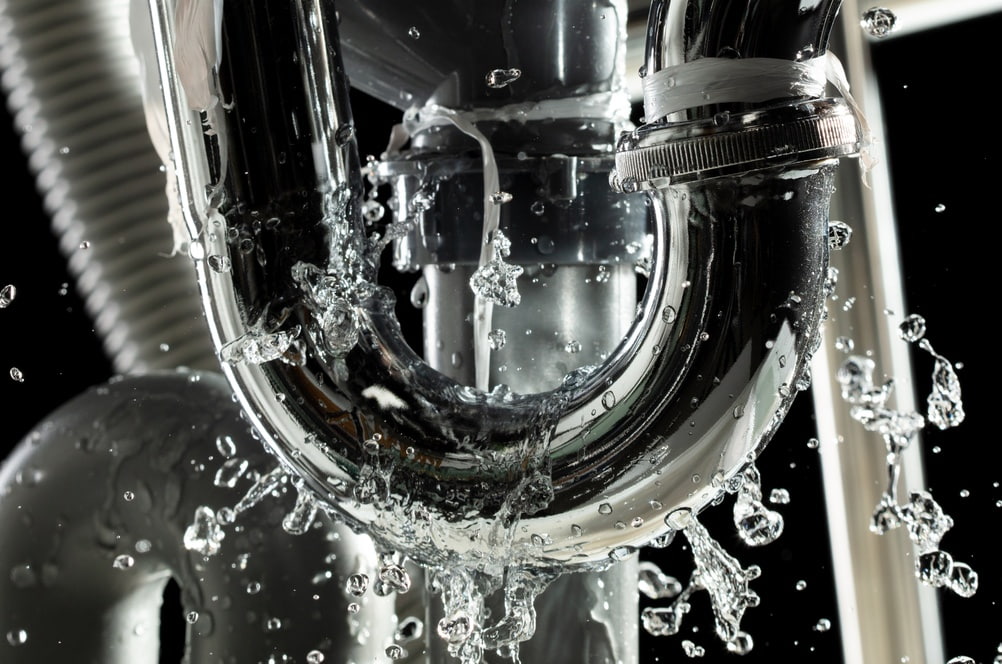
Common signs of hidden water damage include:
- Soft or swollen drywall
- Peeling paint or wallpaper
- Water stains on walls or ceilings
- Damp carpet or flooring
- Warped baseboards or trim
- Musty or unusual odors
- Sagging ceiling materials
- Moisture appearing in an adjoining room
Have the affected areas checked for hidden moisture
After we repair the pipe, moisture detection is the next important step. Our water damage restoration professionals use moisture meters and other equipment to determine where water has traveled and which materials remain wet.
This assessment helps establish the actual drying area. Simply wiping up visible water or placing a household fan near the damaged wall may not address moisture trapped inside insulation, wood framing, or subflooring.
Depending on the amount of water and the materials involved, restoration work may include water extraction, controlled removal of damaged materials, air movement, dehumidification, and ongoing moisture monitoring.
Can a burst pipe cause mold behind walls?
Unfortunately, yes. A burst pipe can create conditions that support mold growth when moisture remains trapped behind drywall, insulation, or other building materials. Most homeowners may not immediately see what is happening inside the wall, and the first signs usually appear days later. Luckily, professional drying services can significantly reduce the risk of mold growth.
Wall cavities can be especially vulnerable because moisture may remain hidden after the visible water disappears. Damp drywall, paper backing, wood, dust, and other organic materials can provide suitable conditions for microbial growth when they stay wet.
Why hidden moisture creates a problem
A closed wall cavity receives less airflow than an open room. If water soaks into insulation or reaches framing, those materials may dry much more slowly without proper intervention.
Several factors influence how quickly conditions can deteriorate, including:
- How long the leak continued
- How much water entered the wall
- The materials that became wet
- Indoor temperature and humidity
- Whether insulation is present
- How quickly professional drying begins
Drying should be controlled & monitored
Professional structural drying involves more than placing fans around the room. Our restoration team chooses the drying equipment based on the size of the affected area, moisture levels, and the type of materials involved.
Air movers help increase evaporation from wet surfaces, while dehumidifiers remove excess moisture from the air. Moisture readings can then be taken throughout the drying process to confirm whether materials are responding properly.
Do you need water damage restoration after a plumber fixes the leak?
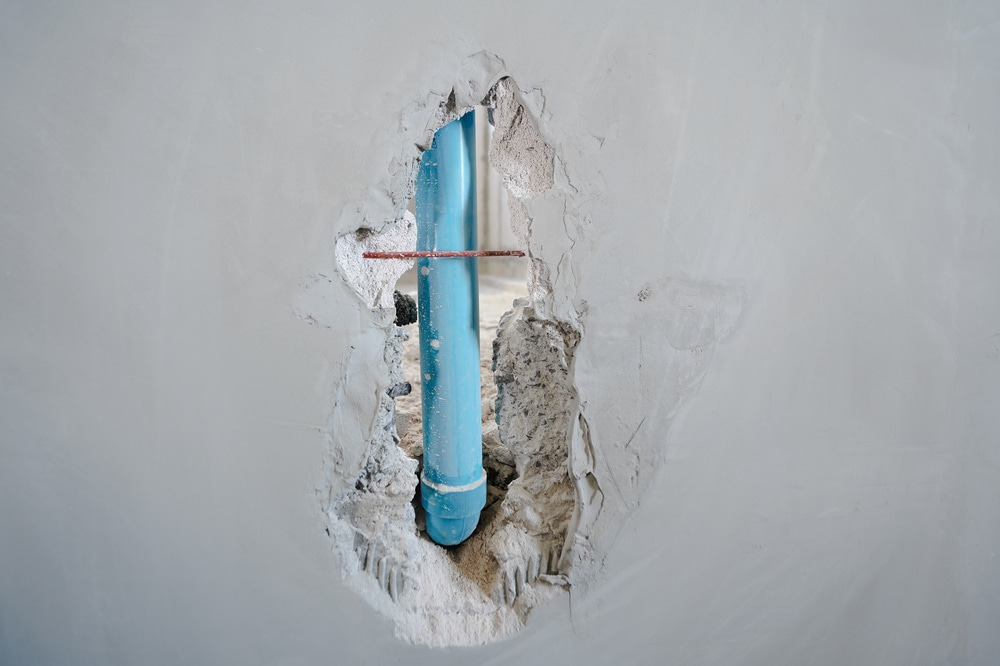
It all depends on the situation and varies from one case to the next. You may need water damage restoration if the burst pipe allowed water to soak into walls, floors, insulation, ceilings, or other building materials. Water damage restoration may also be necessary after wastewater emergencies to remove contamination, control moisture, and help return the affected space to safe conditions. While our plumbers address the source of the leak, our restoration team takes care of the damage caused by water that escaped. These services solve different parts of the same emergency.
Our plumbers may need to cut into the wall, replace the failed section of pipe, and restore the plumbing system. Once that work is complete, however, wet drywall, soaked insulation, damaged flooring, or moisture inside framing can remain. Leaving those materials untreated can lead to further deterioration and make later repairs more extensive.
Plumbing repair stops the problem at its source
Emergency plumbing is the priority because drying cannot succeed while water is still entering the property.
Our plumbers’ role usually includes:
- Locating the failed pipe
- Shutting down the affected water line
- Repairing or replacing damaged plumbing
- Testing the repair for leaks
- Restoring water service when appropriate
Restoration addresses the water that escaped
We start our water damage restoration service with a thorough inspection of the affected area. Our restoration team determines where the water traveled, how deeply materials were affected, and what can be dried in place.
Depending on the situation, the process may involve:
- Extracting standing or trapped water
- Removing unsalvageable drywall or insulation
- Drying framing, flooring, and other structural materials
- Using dehumidification to control indoor moisture
- Cleaning affected surfaces when necessary
- Monitoring moisture levels until drying goals are reached
- Preparing the space for repairs or reconstruction
Repairing the pipe & restoring the room are two different stages
A repaired pipe means the active leak has ended. It does not necessarily mean the water damage is resolved.
If you react quickly and the minor leak is caught almost immediately, the drying process may be limited. However, a larger burst behind a wall usually requires a much more involved response, particularly when water reaches several rooms or multiple building materials.
Handling both stages correctly helps prevent hidden moisture from being sealed behind new drywall, flooring, or finishes. It also gives contractors a dry, stable area to work with when repairs begin.
Who can help me deal with residential water damage in Encinitas, CA & the nearby areas?
If a burst pipe has left water inside your walls, floors, or other parts of your home, Risk Free Serv is your go-to team to assess the damage quickly and prevent a smaller problem from becoming more complicated and extensive down the line. Our water damage restoration team serves homeowners throughout Encinitas, including neighborhoods near the San Elijo Lagoon Ecological Reserve.
We can inspect the affected areas, identify hidden moisture, begin professional drying, and help determine what materials may need further repair. Reach out to us without delay, and we’ll get the restoration process moving quickly. Every moment counts, so let’s not waste any more time. Contact us now!