
Key Takeaways
- Floodwater can damage framing, subfloors, walls, insulation, and other materials.
- Structural repairs are needed when damaged materials cannot remain safely in place.
- Drying must come before rebuilding to prevent trapped moisture and further damage.
- Moisture readings help determine what can stay and what needs repair or replacement.
- Full flood restoration may require both mitigation and structural reconstruction.
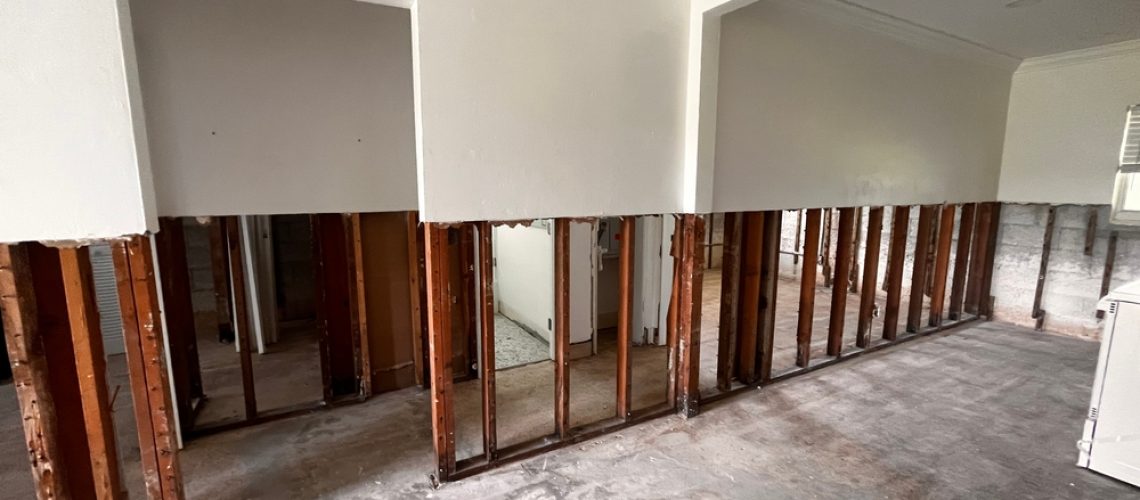
Removing standing water and dealing with flood damage in Encinitas are essential first steps, but they don’t necessarily complete the restoration. Water can move beneath flooring, into wall cavities, through insulation, and around structural components long before the surfaces you see appear dry. In a more serious loss, those materials may swell, warp, deteriorate, or lose enough integrity that drying alone will not return the property to its pre-loss condition.
That is where flood damage repair moves from mitigation into reconstruction. We first need to determine what dried successfully, what can remain in place, and what needs repair or replacement. As a licensed general contractor, Risk Free Serv can carry those findings into the build-back phase instead of leaving homeowners to coordinate an entirely separate project after cleanup.
Can flooding cause structural damage to a home?
Yes, flooding can damage structural and building materials when water reaches them deeply, remains in place too long, or causes swelling, deterioration, movement, or loss of strength.
Not every flooded room ends with structural repairs. A fast response usually limits damage to materials that are easier to dry or replace. The concern grows when water reaches subflooring, wall assemblies, framing, crawl spaces, or other parts of the building that are not immediately visible.
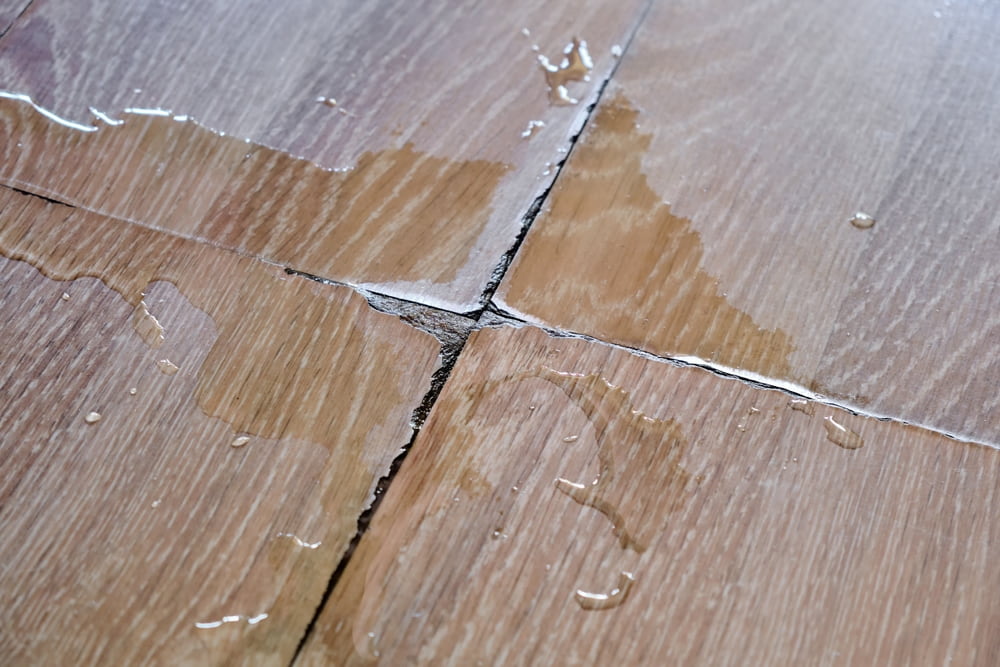
Wood and wood-based products absorb moisture differently depending on their composition, finish, exposure time, and location. Drywall can soften or swell. Insulation may hold water inside a wall cavity. Flooring can separate from its substrate, and prolonged moisture can create conditions that allow mold to grow and continue damaging materials. The EPA notes that heavily flood-damaged buildings should be evaluated for structural integrity by experienced professionals.
Some signs deserve closer attention after a significant water loss:
- Floors that feel soft, uneven, or unusually flexible
- Warped or buckled flooring
- Swollen drywall or deteriorating wall surfaces
- Doors or windows that no longer sit normally in their frames
- Visible damage to exposed framing
- Sagging or movement in affected building components
- Persistent moisture in subfloors, wall cavities, or crawl spaces
When does flood damage require structural repairs?
Structural repairs become necessary when water-damaged components cannot be safely dried, cleaned, or left in place without affecting the stability or proper function of the home. The distinction between drying and repairing is important. Drying removes moisture from materials that remain suitable for use. Repair work addresses materials that the loss has physically damaged, or that had to be removed during mitigation.
For example, drywall may need replacement because sections were cut out to access wet insulation or wall cavities. Flooring may need rebuilding when water affects the layers beneath the finished surface. If the loss reaches framing, subflooring, joists, or other structural components, we need to evaluate their actual condition before rebuilding around them.
EPA cleanup guidance recognizes that flood recovery can require extensive removal of wall materials, insulation, flooring, and other wet building components when they cannot be thoroughly cleaned and dried.
We look at the condition, not just the water line
A visible water line tells us where water reached, but it does not tell us which materials remain serviceable. During restoration, we pay attention to how each affected assembly responded to the loss. Some materials can dry successfully while nearby materials need removal.
Even wallboard, for example, may sometimes remain when it dries without obvious swelling, and the seams stay intact, while damaged wallboard should be removed and replaced.
Why does drying come before structural flood repairs?
Drying comes first because rebuilding over wet materials can trap moisture inside the repaired assembly and create additional problems later. A room can look ready for reconstruction before the materials inside it are actually dry enough to close back up. Installing new drywall, flooring, insulation, trim, or cabinetry too soon can conceal moisture that still needs somewhere to go.
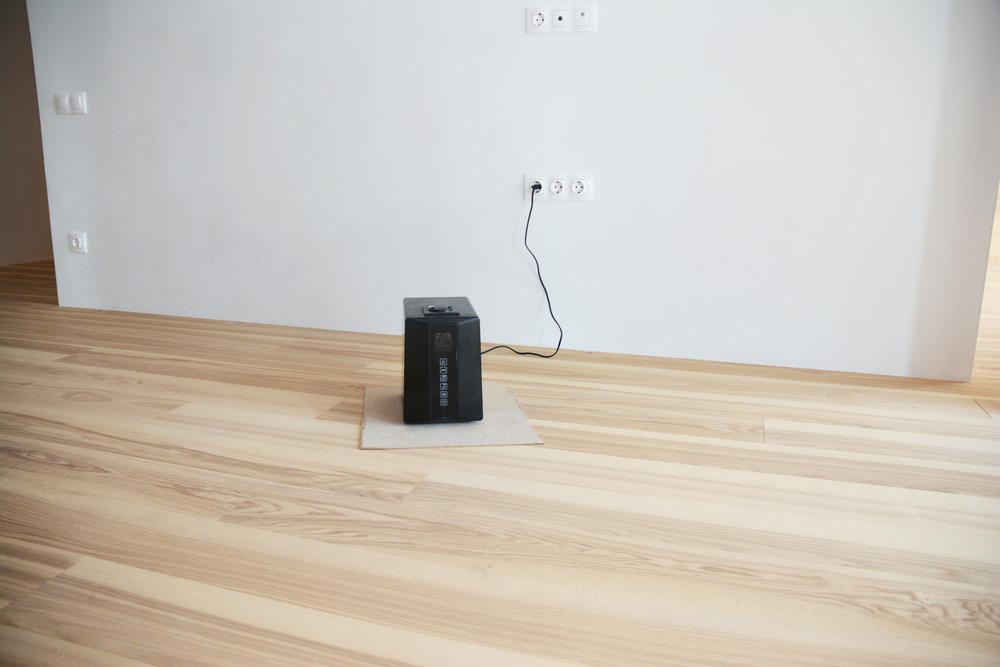
That trapped moisture can contribute to:
- Mold growth
- Continued deterioration of building materials
- Swelling or movement in wood-based products
- Damage to newly installed finishes
- Persistent musty odors
- Additional removal and repair later
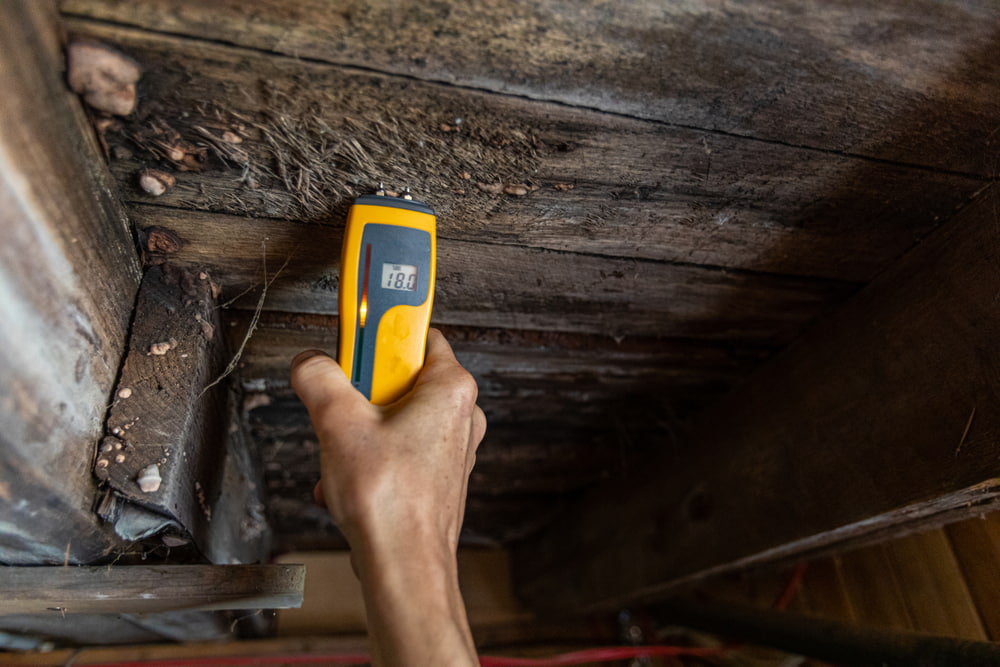
It’s important to start drying water-damaged areas and materials as quickly as possible, preferably within 24 to 48 hours, to help limit mold growth. Our team uses the information gathered during the drying phase to shape a personalized reconstruction plan. Moisture readings, visual inspections, material removal, and access to previously concealed areas can reveal damage that was impossible to evaluate at the beginning of the loss.
What happens during structural flood damage repair?
Structural flood damage repair moves the property from a dry, stabilized condition into the rebuilding work needed to make the affected areas safe, functional, and finished again. The exact scope depends on what the water damaged and what had to be removed during mitigation.
A localized loss might require replacing part of a subfloor and rebuilding a wall assembly. A larger flood may involve multiple rooms, framing repairs, new insulation, drywall, flooring, cabinetry, trim, and finish work.
Because Risk Free Serv handles both restoration and damage-related construction, we can carry the documented findings from mitigation into this next stage instead of starting over with a new team that did not see the original loss.
We confirm what needs to be rebuilt
Before reconstruction begins, we review the areas opened during mitigation and identify the components that need repair or replacement. This is also the point where hidden damage becomes part of the final scope. The EPA specifically recommends professional evaluation when moisture or mold damage may have affected a building’s structural integrity. If removing wet drywall exposes damaged framing, or lifting flooring reveals deterioration in the subfloor below, those findings need to be addressed before finishes go back in place.
We repair damaged structural components
Once we know what can remain, we can repair or replace the components that the flood compromised. Depending on the loss, that work may involve sections of framing, subflooring, wall assemblies, building insulation, and other construction materials. The goal is not simply to cover the areas that were opened during drying. We need to rebuild from a sound base so the finished work is supported properly.
We rebuild the affected finishes
After structural and concealed repairs are complete, reconstruction moves outward toward the surfaces you use and see every day. That can include new drywall, flooring, baseboards, trim, cabinetry, paint, and other finishes removed because of the flood. Keeping mitigation and reconstruction connected also means our repair plan is based on what we documented while the damaged materials were still exposed.
Flood restoration is complete only when the remaining moisture has been addressed, and the parts of the property that could not be saved have been properly rebuilt. Drying protects what can stay; structural repair takes care of what cannot.
Where can I find a trusted team for professional flood damage in Encinitas, CA?
From the coastline to Olivenhain, Risk Free Serv is ready to help homeowners move from emergency dry-out to complete restoration in a fast and methodical way. We carefully inspect affected materials, track hidden moisture, and handle the repairs needed when water damage reaches walls, flooring, subfloors, framing, or other building components.
We’re also here to help you with wall damage from burst pipes, stubborn mold that spreads beyond bathrooms, emergency response to sewage backups, and so much more. Just reach out to us, and we’ll be there in no time to provide clear answers and start the repair process with one experienced team. Call us right away!