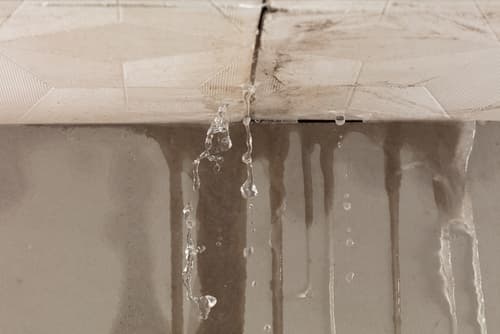
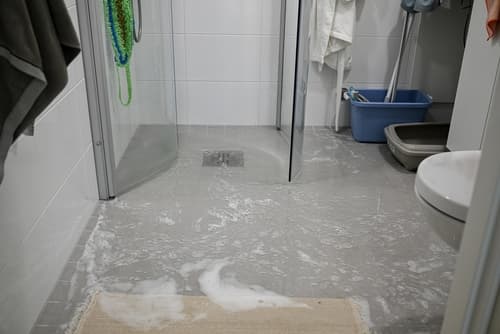
Flood Damage

Questions to Ask a Water Damage Company Before You Hire Them

  • Ask about response time before water damage gets worse.
  • Verify licensing, insurance, and restoration experience.
  • Make sure they inspect for hidden moisture and mold risk.
  • Ask how they decide what can be saved or replaced.
  • Choose a company that explains costs, timing, and updates.

When water damage hits your home, it’s crucial that you act vigilantly and call for help. However, the pressure to react quickly can make every decision feel urgent. In San Diego, homeowners often deal with water damage from slab leaks, burst pipes, appliance failures, roof leaks, and unexpected storm runoff. In that kind of moment, it is easy to focus only on how quickly professional help can arrive. Speed matters, but it should not be the only thing you consider.

The quality of a water damage company in San Diego you hire will have a direct impact on how thoroughly your home is dried, whether hidden moisture is found, and how likely you are to face mold or structural issues later. In today’s post, we look at crucial queries that will help you vet your water damage specialists. 

What questions should I ask a water damage company?
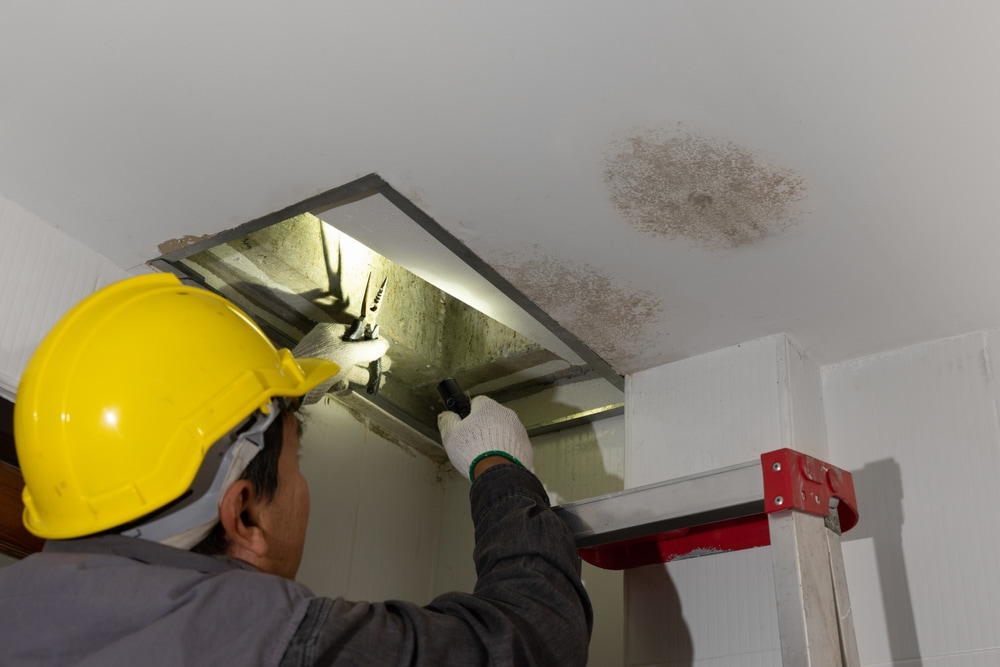
best water damage company in San Diego, CA

Asking the right questions before you hire a water damage company can help you avoid vague promises, rushed work, and costly problems down the line. A trustworthy company should be able to explain its process clearly, answer your concerns honestly, and help you feel confident about the next steps. One important tip: you should seek answers to these questions before an emergency arrives at your door, so you are prepared when calamity strikes.

How quickly can you respond to a water damage emergency?

One of the first questions to ask is how quickly the company can arrive and begin the drying process. Water damage gets worse with time. Materials absorb moisture fast, and delays can increase the risk of swelling, staining, mold growth, and structural damage.

A reliable water damage company should be able to give you a realistic response window and explain what happens when the crew arrives. In San Diego, fast action is especially important when damage involves hardwood flooring, drywall, cabinets, or hidden moisture behind walls.

Are you licensed, insured & experienced with water damage restoration?

Not every contractor has the same level of experience with water damage. Some companies offer general repair services but do not specialize in moisture detection, drying methods, or restoration planning.

Ask whether the company is properly licensed and insured, and whether water damage restoration is a core part of what they do. Experience matters because water damage is not just about removing visible water. It involves understanding how moisture moves through drywall, insulation, flooring, and structural materials.

What type of water damage inspection do you perform?

A proper inspection should go beyond what is visible on the surface. One of the biggest mistakes homeowners make is assuming that if a room looks dry, the problem is over. In reality, water can remain trapped behind baseboards, inside wall cavities, under flooring, and around cabinets.

Ask the company how they inspect for hidden moisture. A professional team should use tools such as moisture meters, thermal imaging, and other detection equipment to evaluate the full extent of the damage.

How do you determine what can be saved & what must be replaced?
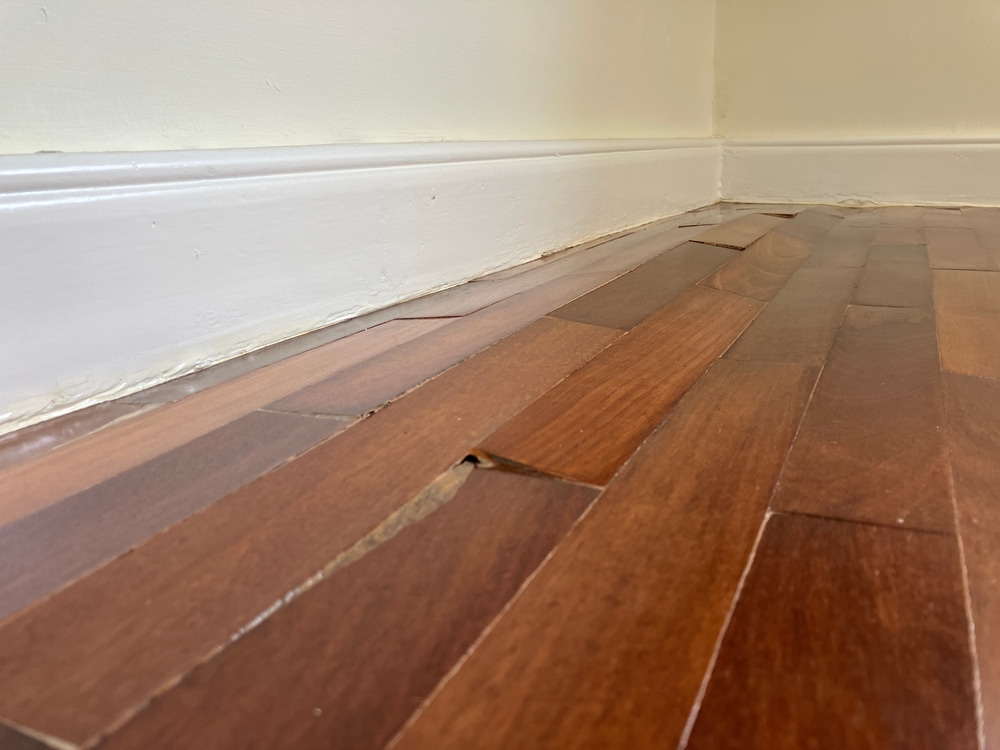
What questions should I ask a water damage company

This is one of the most important questions you can ask. Homeowners want to know whether drywall, insulation, flooring, cabinets, or other materials can be dried and restored instead of removed.

A trustworthy company should explain that whether an item can be saved depends on factors such as:

  • How long did the materials stay wet
  • The type of water involved
  • The level of saturation
  • The condition of the affected material
  • Whether mold or contamination is present

What equipment & drying methods do you use?

Not all drying methods are equal. A company should be able to explain the equipment it uses and why it matters. This may include air movers, dehumidifiers, moisture meters, specialty drying systems, and containment methods when needed.

The goal is not just to dry the air in the room. The goal is to remove trapped moisture from affected materials and reduce the chance of future damage. If a company cannot clearly explain its drying process, that may be a warning sign.

Will you check for mold risk & hidden moisture?

Water damage and mold are closely connected, especially when drying is delayed or incomplete. Even if mold is not visible yet, damp materials can create the right conditions for growth.

Ask whether the company checks for hidden moisture and whether they look for early signs of mold risk. This does not mean every water loss will turn into a mold problem, but it does mean the company should take moisture seriously from the start.

Do you help with insurance claims?

Many homeowners in San Diego want to know how the restoration process works alongside an insurance claim. While not every water damage situation is covered the same way, it helps to know whether the company has experience working with insurance-related documentation.

Ask whether they can provide photos, moisture readings, scope details, and other records that may help support the claim process. Even when coverage decisions are made by the insurance company, clear documentation from the restoration team can make the situation easier to understand and manage.

What is your expected timeline for drying & restoration?

Homeowners deserve a realistic picture of how long the process may take. Drying, monitoring, demolition, and repairs can vary depending on the size of the loss and the materials involved.

Ask for a general timeline and find out whether the company provides progress updates along the way. A dependable company should be clear about what happens first, what may need to be removed, how drying is monitored, and when the next stage of restoration can begin.

How will you communicate with me during the project?

Good communication matters just as much as technical skill. Dealing with significant home damage is stressful, especially when homeowners are trying to make quick decisions about repairs, insurance, and temporary disruption at home. Ask who your point of contact will be and how updates will be shared. You should not be left guessing about what the crew is doing, what they found, or what comes next.

Can you provide clear recommendations without pressure?

trusted water damage company in San Diego

A good water damage company should be able to explain your options without using fear or pressure to rush you into unnecessary work. You want honest guidance based on the actual condition of the property.

That means clear explanations, practical recommendations, and a willingness to answer your questions. If a company avoids specifics or pushes vague urgency without showing evidence, that is worth noticing.

Where can I find the best water damage company in San Diego, CA?

When the full force of water descends on your property in Sorrento Valley, Risk Free Serv is the trusted name that stands out among water damage professionals in the San Diego County area. With thousands of satisfied customers, enthusiastic reviews, and years of relevant on-field experience, we’re known for making the entire process less stressful and far more effective. Our goal is to help you avoid guesswork, prevent bigger issues, and move forward with confidence. 

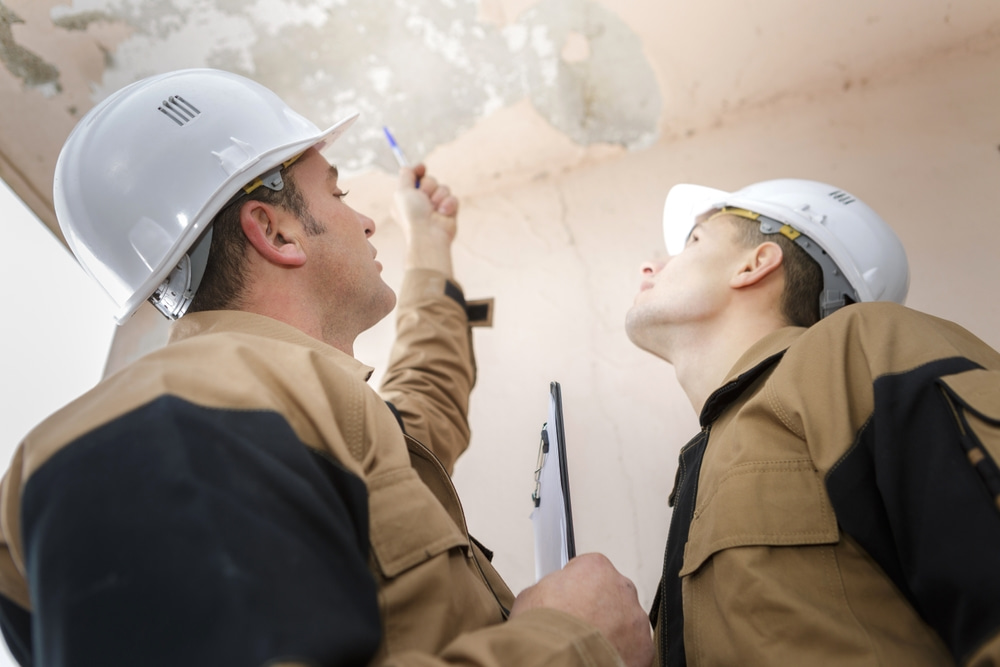
Whether you need prompt help saving your drywall, insulation, flooring, and cabinets, determining the extent of damage to your ceiling, or you’re not sure how to differentiate old water damage from new issues, you can count on us to explain what needs immediate attention and recommend next steps based on the actual condition of the home.

Contact Risk Free Serv to schedule a swift professional assessment and get top-rated water damage support. Call us without delay!
Can Wet Drywall, Insulation, Flooring, or Cabinets Be Saved After Water Damage

  • Fast action improves the chance of saving wet materials.
  • Drywall may be saved only after brief clean water exposure.
  • Wet insulation often needs replacement to avoid hidden mold.
  • Hardwood may be restored, but laminate usually must go.
  • Solid wood cabinets may recover; MDF and particleboard rarely do.

Flood damage can leave homeowners in the San Diego area asking the same urgent question: what can actually be saved, and what needs to go? Water damage in San Diego often comes from plumbing failures, slab leaks, appliance overflows, roof leaks, and storm runoff that finds its way indoors. No matter the source, the answer depends on how long the materials stayed wet, what kind of water was involved, and how deeply the moisture spread. 

While some materials can be dried and restored if action happens quickly, others absorb water so easily that replacement becomes the safer and more practical choice. The biggest mistake homeowners make is assuming a surface looks dry just because it no longer feels wet. Moisture can stay trapped behind walls, under flooring, and inside cabinets long after the visible water is gone. Knowing what can be saved helps you make quick decisions, prevent mold, and avoid costly repairs.

Does drywall need to be replaced after water damage?

If the drywall was exposed to a small amount of clean water and drying started almost immediately, it may be salvageable in some cases. Since drywall is one of the most vulnerable materials in a water-damaged home, it absorbs moisture fast, loses strength, and can become a hiding place for mold if it is not dried properly. Our professionals use advanced moisture meters to check how far the water has traveled and whether the wall cavity is still damp.

Whether drywall can be saved depends on three main factors:

  • How much water it absorbed
  • How long it stayed wet
  • Whether the water was clean, gray, or contaminated

When drywall might be saved

Drywall has a better chance of being saved when:

  • The water source was clean
  • The exposure was brief
  • The drywall is only damp, not swollen or crumbling
  • There is no sign of staining, warping, or microbial growth

When should drywall be removed

Replacement is usually the better choice when:

  • The drywall is soft, sagging, or bubbling
  • It stayed wet for more than a day or two
  • The water came from flooding or sewage backup
  • The insulation behind the wall is also wet
  • Mold has started to form

Should water-damaged insulation be replaced?

Can wet flooring be saved after water damage

Unfortunately, some things are harder to save after water damage, and insulation is one of them. Even when it looks fine from the outside, wet insulation can lose its insulating properties and hold moisture deep inside wall or ceiling cavities. Keep in mind that saving damaged insulation can lead to hidden mold, poor indoor air quality, and reduced energy efficiency later. 

Different types of insulation respond differently to water:

Fiberglass insulation

Fiberglass batt insulation may sometimes be dried if it was exposed to clean water and the saturation was limited. However, once it becomes compressed, dirty, or heavily soaked, it usually needs to be replaced. Wet fiberglass also dries slowly when it is trapped behind drywall.

Blown-in insulation

Blown-in insulation usually does not recover well after flooding. It tends to clump, settle, and stay damp, which reduces performance and increases the risk of lingering moisture problems.

Foam insulation

Certain foam insulation products are more moisture-resistant and may survive water exposure better than fiberglass or cellulose. Still, they need to be inspected carefully to make sure no moisture is trapped around them.

Signs that insulation should be replaced

  • You should seriously consider replacing your insulation when:
  • It is heavy or fully saturated
  • It smells musty
  • It has been exposed to contaminated water
  • It has lost shape or shifted in place
  • Moisture remains trapped inside the wall or attic

Can wet flooring be saved after water damage?

Flooring is one of the first things people focus on after water damage because the effects are easy to see. Warping, buckling, staining, and lifting can happen quickly. No matter what surface material is on top, the subfloor below can absorb moisture and weaken over time. That is why a proper inspection matters just as much as surface drying. However, not all flooring reacts the same way:

Should water-damaged insulation be replaced

Hardwood flooring

Hardwood can sometimes be saved, but timing is crucial. If drying begins quickly, some hardwood floors can be restored using specialized drying systems. The challenge is that wood absorbs moisture unevenly, which can lead to cupping, crowning, or permanent distortion.

Hardwood may be salvageable when:

  • The water exposure was limited
  • The water was clean
  • The boards have not permanently warped
  • Drying starts right away

Laminate flooring

Laminate usually has a much lower chance of being saved. Once water gets into the seams and core material, swelling often follows. In many cases, replacement is more practical than repair.

Tile flooring

Tile itself often survives water exposure well, but the issue may be underneath it. Water can seep through grout lines and affect the subfloor or create hidden moisture pockets. Even if the tile looks perfect, the area below still needs to be checked.

Carpet

Carpet may sometimes be cleaned and dried if the water was clean and the response was immediate. After floodwater or contaminated water exposure, replacement is usually recommended.

Can you rescue wooden cabinets after water damage?

Cabinets can sometimes be saved, but it depends on the material and how much water they absorbed. Solid wood cabinets generally have a better chance of recovery than particleboard or low-density materials. That being said, kitchen and bathroom cabinets are especially vulnerable when leaks go unnoticed beneath sinks, behind dishwashers, or along exterior walls. Don’t be tricked if your cabinet faces still look fine—toe kicks, backs, and hidden corners may still hold moisture or mold.

Solid wood cabinets

Solid wood cabinets may be dried, cleaned, and refinished if the damage is moderate and the structure remains sound. Doors may need adjustment, and surfaces may need sanding or refinishing after drying.

Particleboard or MDF cabinets

Cabinets made from particleboard or MDF usually do not handle water well. These materials tend to swell, soften, and break down after soaking. Once that happens, they rarely return to their original condition.

Typical cabinet warning signs

Cabinets are more likely to need replacement when you notice:

  • Swollen sides or bottoms
  • Peeling veneer
  • Soft or crumbling material
  • Mold or strong odors inside
  • Separated joints or loose hardware

Who are the leading experts for water damage in San Diego, CA?

leading experts for water damage in San Diego, CA

Whether you’re dealing with the devastating consequences of water damage in Carmel Valley or any other part of town, Risk Free Serv is your trusted helper in water-related emergencies in the San Diego area. Our team takes the time to inspect the damage carefully, look for hidden moisture, and recommend practical solutions based on the condition of your home, not guesswork.

If you’re not sure which questions to pose when you first call for help, how to act in case of significant ceiling damage, or how to spot whether you’re dealing with a new or old issue, we are here to provide the answers and act swiftly to help you avoid bigger problems down the line. Reach out to Risk Free Serv to eliminate the risk and take the next step toward restoring your home with trusted local professionals. Call ASAP!

Common Signs You Need Flood Damage Repair After a Flood

  • Hidden moisture can stay behind walls, floors, and insulation after a flood.
  • Stains, discoloration, and peeling surfaces often signal deeper water damage.
  • Warped floors, swollen trim, and soft drywall can mean materials absorbed water.
  • Musty odors and mold growth often point to trapped moisture that was missed.
  • Floodwater from outside can contaminate materials, even when they look fine.

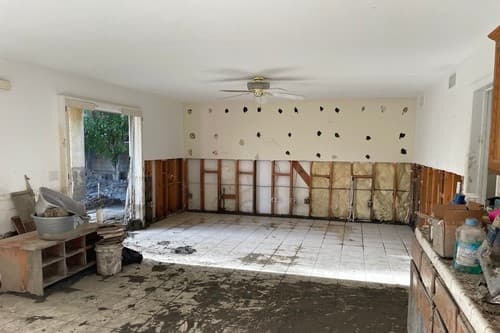
After flood damage in Rancho Santa Fe, most homeowners usually focus first on the most obvious issues. Standing water, soaked carpet, ruined furniture, and mud left behind are hard to miss. The bigger problem is that water damage often does not stop at what you can see. Water can get behind walls, under flooring, into insulation, and around structural materials long before the surface looks dry again. That hidden moisture can lead to swelling, staining, odor, mold growth, and ongoing deterioration if it is not addressed properly.

That is why comprehensive flood damage remediation includes much more than just fixing what looks damaged. It is about identifying how far the water reached, what materials were affected, and whether the home is actually drying out the way it should. Some signs show up right away, while others become noticeable days later. Knowing what to watch for can help you catch deeper issues early and avoid more costly repairs down the line, so let’s take a deeper look.

What are the signs of flood damage in a house?

Consequences of flood damage can show up in different ways depending on how much water entered the home, how long it sat, and which materials were affected. Some telltale signs are obvious, while others are easier to miss until the damage starts spreading.

Water stains & discoloration

One of the clearest signs of flood damage is visible staining. You may notice brown, yellow, or dark marks on drywall, ceilings, baseboards, or lower sections of walls. These stains often show where water traveled or where moisture stayed trapped after the flood. Discoloration can also appear on flooring, trim, cabinetry, and other porous materials. 

Warped or swollen materials

Floodwater often causes building materials to expand, soften, or lose their shape. Wood floors may cup or buckle. Laminate can lift at the edges. Baseboards may swell, and cabinets can start to look misshapen or uneven. If materials are changing shape, separating, or no longer sitting flush, that is a strong sign that flood damage repair may be needed.

Musty odor that does not go away

A lingering musty smell is one of the biggest red flags after a flood. Even when visible water is gone, trapped moisture can remain inside walls, under floors, or in insulation. That damp environment often creates the kind of odor homeowners notice first before they spot actual mold or material damage.

Soft spots, peeling, or bubbling surfaces

Flood damage often weakens materials from the inside out. Paint may begin to bubble or peel. Drywall tape can loosen. Flooring may feel soft, spongy, or unstable underfoot. In some cases, sections of the wall may feel unusually cool or damp compared to surrounding areas.

Mold growth or visible mildew

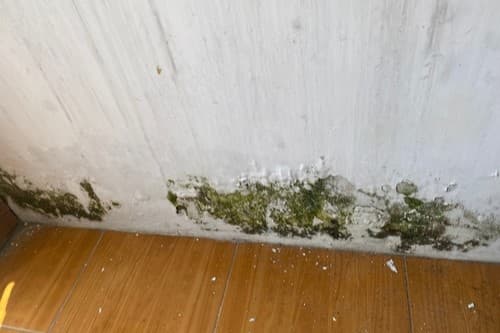
Mold can begin growing quickly when flood-damaged materials stay damp. You may see black, green, white, or gray spotting on walls, trim, flooring edges, or stored items. In other cases, mildew may show up as a lighter surface film with a persistent damp smell. If mold appears after a flood, it usually points to a moisture problem that was never fully resolved.

Damaged flooring or carpet

Flooring often takes the hardest hit after a flood. Carpet may stay damp, smell bad, or separate from the tack strip. Wood flooring can warp or lift. Vinyl and laminate may trap water underneath, even if the top looks fine. Subfloor damage is also common. If floors feel uneven, soft, or unstable after a flood, the problem may extend below the finished surface.

Cracked, loose, or damaged drywall

Drywall is highly vulnerable to floodwater. Once saturated, it can weaken fast and may not dry evenly. You might notice cracks, crumbling edges, loose texture, or damage along the lower part of the wall. The longer it stays wet, the less likely it is to be salvageable.

How do I know if I need flood damage repair?

You likely need flood damage repair if water has affected building materials, not just surface items. Cleanup alone is not enough when drywall, flooring, insulation, cabinets, or structural materials have absorbed moisture. Visible signs like staining, swelling, peeling, odor, or mold usually mean the home needs more than basic drying.

You should also take the situation seriously if the floodwater came from outside. Stormwater can carry contaminants that make certain materials unsafe to keep, even if they look recoverable

Who should I call to help me deal with flood damage in Rancho Santa Fe, CA?

As the leading team of emergency plumbers in the North County region, Risk Free Serv is here to help you catch the warning signs before they turn into bigger repairs. If you’re having trouble with warped flooring, musty smell, stained walls, or soft drywall, we have the advanced tools and the latest in cleanup technologies to help you get rid of water and moisture in an efficient and effective way. Don’t wait for the whole day to pass before calling for help. The sooner you turn to our pros, the greater the chances are that we’ll be able to restore most of your possessions to their original stateand prevent further damage from setting in.

One thing you shouldn’t do is try DIYing post-flood cleanup, especially when water may have spread farther than it first appears. We have the equipment, an eye for detail, and the experience to know what should be done first and how. To make sure that your home is truly dry, safe, and ready to move forward, call us ASAP!

Flood Cleanup Tips for Homeowners After Heavy Rain or Storm

  • Floodwater may contain bacteria, chemicals, sewage, and hidden hazards.
  • Do not enter standing water until power and structural safety are checked.
  • Take photos and videos before cleanup to support your insurance claim.
  • Remove standing water fast to reduce damage to walls, floors, and cabinets.
  • Dry hidden moisture fully or damage and mold can keep spreading.

Heavy rain and storms can leave behind more than a mess. Once water gets into your home, it can quickly soak the drywall, flooring, cabinets, furniture, and insulation. Even a small amount of stormwater can create bigger problems if it sits too long. What looks like a manageable cleanup job on the surface can escalate into a much bigger issue and expensive repairs.

That is why flood cleanup needs to be handled by an emergency plumber in Rancho Santa Fe. Homeowners often want to jump in and get their hands dirty, trying to save as much as possible. In some situations, that makes sense. But storm-related flooding can involve contaminated water, electrical hazards, and hidden moisture that spreads behind walls and under floors. The goal is not just to remove water you can see. It is to dry the structure properly, clean affected surfaces, and stop the damage from getting worse. Let’s take a look at how to act accordingly and when to call in professional help.

Is flood cleanup safe to do yourself?

Flood cleanup is not always safe to do yourself, especially after heavy rain or a major storm. If the water came in from outside, assume it may contain dirt, bacteria, chemicals, or sewage-related contaminants. Standing water can also hide sharp debris, slippery surfaces, and electrical hazards. If outlets, appliances, or wiring were exposed to water, the area should not be entered until it is safe. 

Small, clean-water incidents may allow for limited DIY cleanup if the source is clearly safe and the affected area is minor. But once stormwater affects multiple materials or more than one room, DIY cleanup becomes much riskier. Hidden moisture is also a major issue, especially in storm-related losses where water can seep into flooring, drywall, insulation, and other materials without obvious signs.. Water can sit under flooring or inside walls long after the surface looks dry. In larger losses, professional extraction, drying equipment, and moisture checks are usually the safer call.

How do you clean up after a flood?

Cleaning up after a flood is about much more than removing visible water. The process should focus on safety, moisture control, contamination concerns, and preventing long-term damage.

Make sure the area is safe

Before stepping into a flooded part of the home, make sure it is safe to enter. Do not walk into standing water if there is any chance the electricity is still on. Gas leaks, structural damage, and unstable materials should also be taken seriously after a storm.

Homeowners should avoid walking through standing water without proper protection. Waterproof boots, gloves, and, in some cases, respiratory protection may be necessary depending on the source of the water and the condition of the property. If floodwater came in from outside, treat it as potentially contaminated until proven otherwise.

Document the damage right away

Before moving or throwing anything out, take clear photos and videos of the affected areas. Capture water lines on walls, damaged flooring, soaked furniture, ruined personal belongings, and any storm-related entry points. This documentation can be extremely useful during the insurance claims process.

It also helps to make a quick list of damaged contents by room. You do not need a perfect inventory, but basic notes can go a long way when you start dealing with insurance and restoration decisions.

Remove standing water fast

The longer water sits, the more it soaks into porous materials and the greater the chance of secondary damage. Water can seep into baseboards, drywall, wood framing, cabinetry, and insulation faster than many homeowners realize.

For small amounts of water, a wet vacuum may help. For more significant flooding, professional-grade extraction equipment is usually needed to remove water efficiently. Fast extraction matters because fast water removal can significantly reduce material loss.

Separate salvageable items from unsalvageable ones

Not everything can or should be saved after a flood. Non-porous materials may often be cleaned and sanitized, but porous materials that stayed wet too long or were exposed to contaminated water may need to be discarded. Items such as soaked carpet padding, insulation, particleboard furniture, and certain soft goods often do not recover well once heavily saturated.

A practical way to sort contents is to group them into categories:

  • Belongings you can dry, clean, and use again
  • Items that may be restorable with professional treatment
  • Things that are unsafe or too damaged to keep

Begin drying the structure ASAP

Extraction is only the first phase. After visible water is gone, the structure still needs to be dried thoroughly. This is where many DIY efforts fall short. A room may look dry while moisture remains trapped behind walls, beneath flooring, or inside submaterials, requiring professional attention.

Professional drying usually involves:

The goal is not just to make the room feel dry. It is to bring materials back to an acceptable moisture level so the property can be repaired safely and the mold risk is reduced.

Where can I find a dependable emergency plumber in Rancho Santa Fe, CA?

Not sure what to do in the immediate aftermath of a flood or leak? Need someone to take charge of the situation, from eliminating the moisture to delivering a full restoration service? Risk Free Serv is the top-rated team of professionals in Rancho Santa Fe and the surrounding areas. Don’t ignore the common warning signs! The sooner we come to your home, the better chances we have of restoring your precious possessions to their original state.

Flood cleanup is a serious business, and we implore you not to try taking things into your own hands. Even if the situation looks manageable, it’s a lot better to be safe than sorry. Call professional emergency plumbers right away!

How to Recover from Storm & Flood Damage Quickly & Safely

  • Shut off water, power, and gas if damaged; keep the site safe from flood hazards.
  • Ventilate fast by opening doors and windows if the weather allows.
  • Take photos and notes for insurance; avoid risky DIY while waiting for pros.
  • Remove standing water first, then dehumidify and use fans to dry materials fully.
  • Do not live in flooded areas until wiring and structure are inspected and cleared.

Whether caused by a storm surge or torrential rain, floods can devastate homes in a matter of minutes. They weaken structures, wreak havoc on the wiring, and leave possessions soaked, and, in some cases, beyond repair. Water never sits still, and if given the opportunity, it will seep into walls, floors, and insulation. Add wind damage, debris, and power outages caused by strong storms, and the risks start multiplying fast.

In today’s post, we look at the crucial role of emergency plumbing in Coronado and how professionals can step in quickly to help you avoid worst-case property damage scenarios. They will act promptly to stabilize the situation, remove the water, and finally dry and dehumidify your home to eliminate moisture and the resulting mold growth.

What steps should I take after extensive flood damage?

emergency plumbing coronado

After flood damage, the first priority is to secure the site and make it safe for specialists in water removal to do their job. While you’re waiting for professionals to arrive, you should turn off the main line and power supply. Floodwater is dangerous and unpredictable. It can hide sharp debris and bring contaminants into your home. You should also shut off the gas if your supply line is damaged. This will enable your proven water damage team to tackle the water without fear of injury or serious health consequences. If the weather permits, open as many windows and doors as you can to ensure proper ventilation and improve the airflow.

While professionals are working on detecting the cause of the flood and the water entry point, you should take as many photos as you can to gather the documentation for insurance purposes. Write down all the details you can think of, including dates, times, and all the steps you’ve taken to mitigate the situation. Don’t do anything risky while you’re waiting for emergency water damage specialists.

Is it safe to live in a house after flooding?

A house is only safe after all the necessary steps have been taken to eliminate the water, secure the wiring and the structure, and dry out all the affected areas. Structural safety matters too. Flooding can undermine foundations, soften drywall, swell wood framing, and compromise subfloors. If you spot warning signs like sagging ceilings, bowed walls, or cracked masonry, don’t risk it. Treat the area like a hazardous zone until a certified professional assesses the situation. That being said, in most cases, it’s perfectly safe to stay in unaffected areas of the home while specialists are remediating the rest of your home. 

What is the right way to dry a house quickly without causing damage?

emergency plumbing coronado

The first step is to get the water out before dehumidifying the area with professional equipment. This is where the experience and industry-grade tools of the best emergency plumbing companies come in handy. Specialists use water pumps and wet vacuums to remove standing water and pull as much moisture as possible from wet surfaces.

After water extraction, dehumidifiers do most of the heavy lifting. They lower the moisture from the air so wet materials can start shedding water vapor into the air. Pros use moisture meters and humidity readers to assess progress and ensure thorough moisture removal from your living space.

Fans are used to circulate the air and help saturated materials dry out as quickly as possible. Keep in mind that some of your possessions, like paper, carpet padding, swollen wooden furniture, wet drywall, and soaked furniture, may be beyond salvaging and will need to go. It’s important to be scrupulous and get rid of any item that still harbors moisture, or it may become a source of mold infestation in the future.

Which company specializes in dependable emergency plumbing in Coronado, CA?

If you’re looking to stop water damage in its tracks in San Diego Bay or anywhere in the surrounding areas, there is one team to call—Risk Free Serv. We’ve helped thousands of homeowners and businesses bounce back and rebuild their lives after devastating flood incidents. With a certified team, high-quality tools, and proven methods that speed up water removal, we can prevent further damage and save your belongings before it’s too late.

If you want to learn more about the role of humidity in coastal areas, inquire about mold and its effect on beach houses, or safeguard your vacation home from water damage risks, we’re the top-rated team you can always count on. Don’t let water ruin your home comfort, call us without delay!

How to Prevent Water Damage in Vacation Homes & Protect Property

  • Do regular leak checks on hoses, valves, faucets, toilets, and the water heater.
  • Install an automatic water shutoff system to stop leaks fast when you are away.
  • Maintain gutters, downspouts, and the roof to keep water away from the foundation.
  • Water damage can start the same day, and mold can grow within 24 hours.
  • If you suspect damage, shut off water and power, document it, then call pros.

Vacation homes sit empty for long stretches. Sometimes you just can’t find the time, other times there is no one to keep you company, so you decide not to go. This means that when something goes wrong with your water system, several days or weeks can pass before you call a professional water damage restoration in Coronado.  

Whether it’s a slow drip under the sink, a small leak in the supply line, or a failed water heater, you may have to deal with significant and, in most cases, expensive repairs by the time you call in the trusted professionals to diagnose the problem. But there is good news as well! Preventing water damage mostly comes down to a combination of timely maintenance and early warnings.

How to protect your home from water damage? 

water damage restoration coronado

The best thing you can do is prioritize prevention, focus on the usual leak culprits, and make it easy to shut the water off when you’re away. It may be smart to replace old braided hoses on washing machines and ice makers, and consider upgraded stainless steel lines with proper shutoff valves. 

Turn to professionals for help

Call in the pros to inspect faucet connections, under-sink traps, and toilet supply lines for corrosion or mineral buildup. If your vacation home has a water heater, set a periodic reminder to check for small puddling, rust at the base, or a dripping temperature and pressure relief valve. Those ‘minor’ signs are usually the first clue that a bigger release is coming.

Add a backup plan

An automatic water shutoff system can be a game-changer for a property that’s often empty. It will monitor the flow and shut off the main valve if it detects anything suspicious. This will stop simple problems from snowballing while you’re away and give you more time to address the issues with a proper fix.

Outdoors upkeep is important

Keep in mind that outside drainage can cause just as many problems as indoor leaks. Keep the gutters clean and make sure that downspouts are directing the water away from the foundation. Before the slow season kicks in, inspect the roof for damaged or missing shingles, loose fittings, or cracked sealant around vents.

How long does it take for water to cause structural damage? 

Unfortunately, damage can start the same day. If things stay wet for a couple of days, materials will start swelling, softening, and eventually break down. Each material acts differently when exposed to moisture. Drywall and insulation are champions at absorbing moisture. Wooded furniture and framing will start swelling, especially if the water finds its way behind the finishes.

But by far the biggest issue with water damage in vacation homes is that water can sit for weeks, even months, before anyone raises the alarm. Don’t be fooled by a lack of water puddles. Water can hide behind the flooring and baseboards, long after the visible puddle is gone. Things will only get worse over time and may even lead to structural issues.

Speaking of water sitting in place, another issue is mold. The problem with mold is that it can start growing in as little as 24 hours when the conditions are right. Not only is mold an eye-sore, but it can aggravate existing health conditions and act as an allergy and asthma trigger. 

How can I quickly assess water damage in my vacation home?

water damage restoration coronado

If you harbor any suspicions or notice any warning signs, call water damage specialists without delay. They will check if the leak is still active, see how far the water traveled, and take photos before they start drying things out. 

There are a few important things you can do to prevent further damage and avoid hazardous electrocution:

  • Shut off the main valve.
  • Turn off the power in the affected area.
  • Document the damage for future use.

Water damage pros will first locate the source of your issues before following the trail to assess the full extent of damage and offer their suggestions on how to proceed. If the water has been present for more than a day, if it’s contaminated (sewage or groundwater), or if it’s inside walls, under flooring, or in structural areas, professional water mitigation is usually the safest route.

Who should I call for thorough water damage restoration in Coronado, CA?

If you’ve had the misfortune of dealing with water damage in your vacation home near Silver Strand or anywhere else in the wider San Diego area, Risk Free Serv is the top-rated team of specialists in your area. As a reliable water damage company, we’ve made a name for being prompt, thorough, and equipped to handle all types of water-related emergencies.

With high-end equipment, an experienced team, and proven solutions, we can help you deal with coastal humidity affecting seaside properties, prevent mold from taking over your home, and dry out your living space after a flood. Time is of the essence when battling water damage, so make every moment count, and contact us ASAP!