
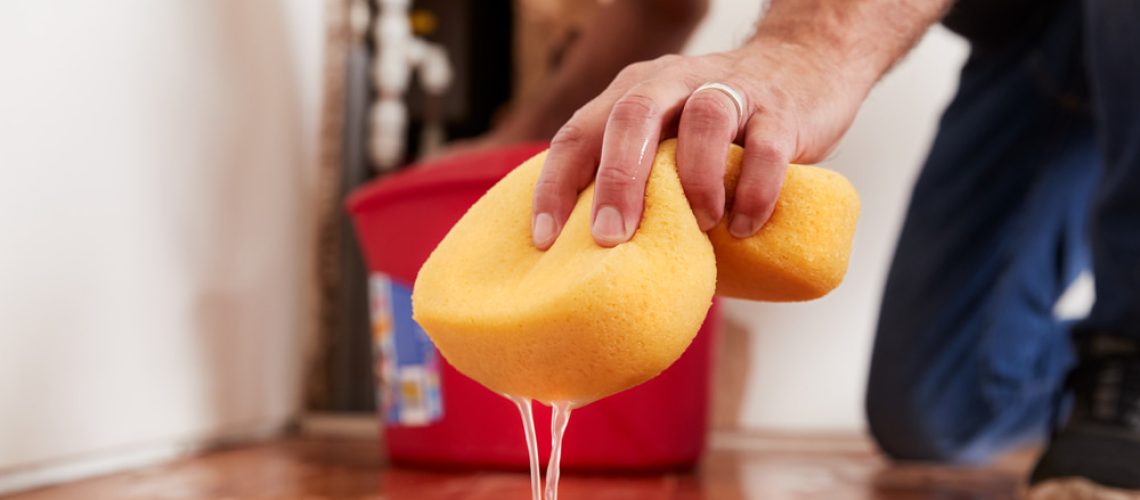
- Fast action improves the chance of saving wet materials.
- Drywall may be saved only after brief clean water exposure.
- Wet insulation often needs replacement to avoid hidden mold.
- Hardwood may be restored, but laminate usually must go.
- Solid wood cabinets may recover; MDF and particleboard rarely do.
Flood damage can leave homeowners in the San Diego area asking the same urgent question: what can actually be saved, and what needs to go? Water damage in San Diego often comes from plumbing failures, slab leaks, appliance overflows, roof leaks, and storm runoff that finds its way indoors. No matter the source, the answer depends on how long the materials stayed wet, what kind of water was involved, and how deeply the moisture spread.
While some materials can be dried and restored if action happens quickly, others absorb water so easily that replacement becomes the safer and more practical choice. The biggest mistake homeowners make is assuming a surface looks dry just because it no longer feels wet. Moisture can stay trapped behind walls, under flooring, and inside cabinets long after the visible water is gone. Knowing what can be saved helps you make quick decisions, prevent mold, and avoid costly repairs.
Does drywall need to be replaced after water damage?
If the drywall was exposed to a small amount of clean water and drying started almost immediately, it may be salvageable in some cases. Since drywall is one of the most vulnerable materials in a water-damaged home, it absorbs moisture fast, loses strength, and can become a hiding place for mold if it is not dried properly. Our professionals use advanced moisture meters to check how far the water has traveled and whether the wall cavity is still damp.
Whether drywall can be saved depends on three main factors:
- How much water it absorbed
- How long it stayed wet
- Whether the water was clean, gray, or contaminated
When drywall might be saved
Drywall has a better chance of being saved when:
- The water source was clean
- The exposure was brief
- The drywall is only damp, not swollen or crumbling
- There is no sign of staining, warping, or microbial growth
When should drywall be removed
Replacement is usually the better choice when:
- The drywall is soft, sagging, or bubbling
- It stayed wet for more than a day or two
- The water came from flooding or sewage backup
- The insulation behind the wall is also wet
- Mold has started to form
Should water-damaged insulation be replaced?
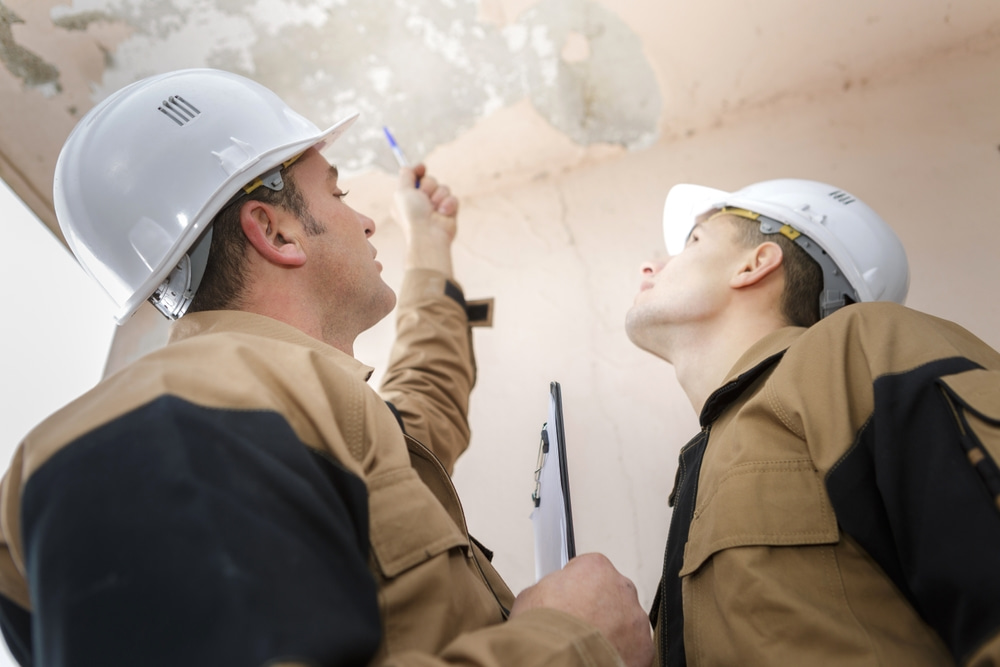
Unfortunately, some things are harder to save after water damage, and insulation is one of them. Even when it looks fine from the outside, wet insulation can lose its insulating properties and hold moisture deep inside wall or ceiling cavities. Keep in mind that saving damaged insulation can lead to hidden mold, poor indoor air quality, and reduced energy efficiency later.
Different types of insulation respond differently to water:
Fiberglass insulation
Fiberglass batt insulation may sometimes be dried if it was exposed to clean water and the saturation was limited. However, once it becomes compressed, dirty, or heavily soaked, it usually needs to be replaced. Wet fiberglass also dries slowly when it is trapped behind drywall.
Blown-in insulation
Blown-in insulation usually does not recover well after flooding. It tends to clump, settle, and stay damp, which reduces performance and increases the risk of lingering moisture problems.
Foam insulation
Certain foam insulation products are more moisture-resistant and may survive water exposure better than fiberglass or cellulose. Still, they need to be inspected carefully to make sure no moisture is trapped around them.
Signs that insulation should be replaced
- You should seriously consider replacing your insulation when:
- It is heavy or fully saturated
- It smells musty
- It has been exposed to contaminated water
- It has lost shape or shifted in place
- Moisture remains trapped inside the wall or attic
Can wet flooring be saved after water damage?
Flooring is one of the first things people focus on after water damage because the effects are easy to see. Warping, buckling, staining, and lifting can happen quickly. No matter what surface material is on top, the subfloor below can absorb moisture and weaken over time. That is why a proper inspection matters just as much as surface drying. However, not all flooring reacts the same way:
Hardwood flooring
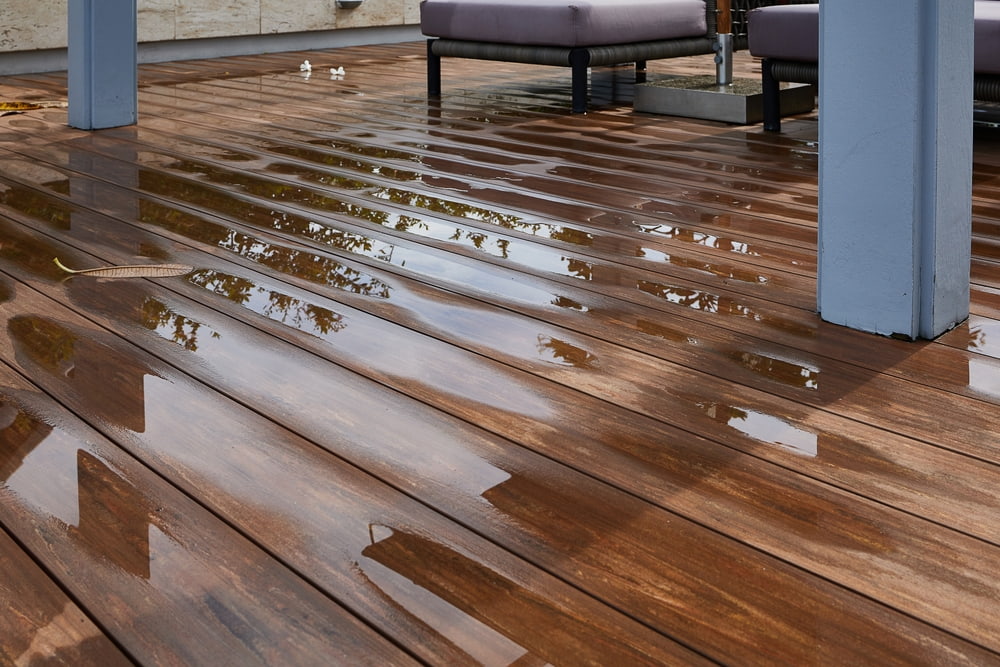
Hardwood can sometimes be saved, but timing is crucial. If drying begins quickly, some hardwood floors can be restored using specialized drying systems. The challenge is that wood absorbs moisture unevenly, which can lead to cupping, crowning, or permanent distortion.
Hardwood may be salvageable when:
- The water exposure was limited
- The water was clean
- The boards have not permanently warped
- Drying starts right away
Laminate flooring
Laminate usually has a much lower chance of being saved. Once water gets into the seams and core material, swelling often follows. In many cases, replacement is more practical than repair.
Tile flooring
Tile itself often survives water exposure well, but the issue may be underneath it. Water can seep through grout lines and affect the subfloor or create hidden moisture pockets. Even if the tile looks perfect, the area below still needs to be checked.
Carpet
Carpet may sometimes be cleaned and dried if the water was clean and the response was immediate. After floodwater or contaminated water exposure, replacement is usually recommended.
Can you rescue wooden cabinets after water damage?
Cabinets can sometimes be saved, but it depends on the material and how much water they absorbed. Solid wood cabinets generally have a better chance of recovery than particleboard or low-density materials. That being said, kitchen and bathroom cabinets are especially vulnerable when leaks go unnoticed beneath sinks, behind dishwashers, or along exterior walls. Don’t be tricked if your cabinet faces still look fine—toe kicks, backs, and hidden corners may still hold moisture or mold.
Solid wood cabinets
Solid wood cabinets may be dried, cleaned, and refinished if the damage is moderate and the structure remains sound. Doors may need adjustment, and surfaces may need sanding or refinishing after drying.
Particleboard or MDF cabinets
Typical cabinet warning signs
Cabinets are more likely to need replacement when you notice:
- Swollen sides or bottoms
- Peeling veneer
- Soft or crumbling material
- Mold or strong odors inside
- Separated joints or loose hardware
Who are the leading experts for water damage in San Diego, CA?
Whether you’re dealing with the devastating consequences of water damage in Carmel Valley or any other part of town, Risk Free Serv is your trusted helper in water-related emergencies in the San Diego area. Our team takes the time to inspect the damage carefully, look for hidden moisture, and recommend practical solutions based on the condition of your home, not guesswork.
If you’re not sure which questions to pose when you first call for help, how to act in case of significant ceiling damage, or how to spot whether you’re dealing with a new or old issue, we are here to provide the answers and act swiftly to help you avoid bigger problems down the line. Reach out to Risk Free Serv to eliminate the risk and take the next step toward restoring your home with trusted local professionals. Call ASAP!