
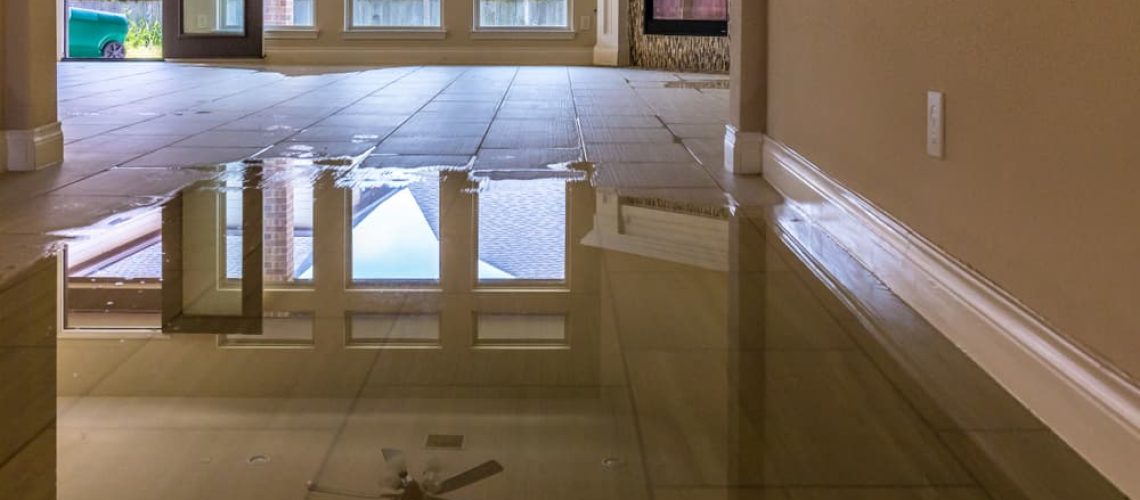
- Floodwater may contain bacteria, chemicals, sewage, and hidden hazards.
- Do not enter standing water until power and structural safety are checked.
- Take photos and videos before cleanup to support your insurance claim.
- Remove standing water fast to reduce damage to walls, floors, and cabinets.
- Dry hidden moisture fully or damage and mold can keep spreading.
Heavy rain and storms can leave behind more than a mess. Once water gets into your home, it can quickly soak the drywall, flooring, cabinets, furniture, and insulation. Even a small amount of stormwater can create bigger problems if it sits too long. What looks like a manageable cleanup job on the surface can escalate into a much bigger issue and expensive repairs.
That is why flood cleanup needs to be handled by an emergency plumber in Rancho Santa Fe. Homeowners often want to jump in and get their hands dirty, trying to save as much as possible. In some situations, that makes sense. But storm-related flooding can involve contaminated water, electrical hazards, and hidden moisture that spreads behind walls and under floors. The goal is not just to remove water you can see. It is to dry the structure properly, clean affected surfaces, and stop the damage from getting worse. Let’s take a look at how to act accordingly and when to call in professional help.
Is flood cleanup safe to do yourself?
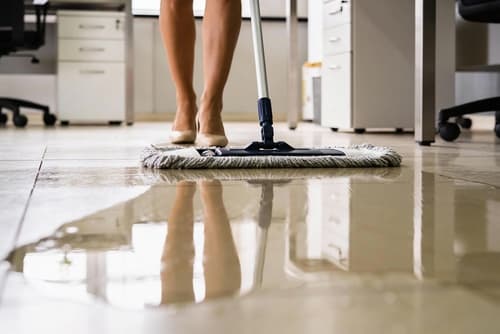
Flood cleanup is not always safe to do yourself, especially after heavy rain or a major storm. If the water came in from outside, assume it may contain dirt, bacteria, chemicals, or sewage-related contaminants. Standing water can also hide sharp debris, slippery surfaces, and electrical hazards. If outlets, appliances, or wiring were exposed to water, the area should not be entered until it is safe.
Small, clean-water incidents may allow for limited DIY cleanup if the source is clearly safe and the affected area is minor. But once stormwater affects multiple materials or more than one room, DIY cleanup becomes much riskier. Hidden moisture is also a major issue, especially in storm-related losses where water can seep into flooring, drywall, insulation, and other materials without obvious signs.. Water can sit under flooring or inside walls long after the surface looks dry. In larger losses, professional extraction, drying equipment, and moisture checks are usually the safer call.
How do you clean up after a flood?
Cleaning up after a flood is about much more than removing visible water. The process should focus on safety, moisture control, contamination concerns, and preventing long-term damage.
Make sure the area is safe
Before stepping into a flooded part of the home, make sure it is safe to enter. Do not walk into standing water if there is any chance the electricity is still on. Gas leaks, structural damage, and unstable materials should also be taken seriously after a storm.
Homeowners should avoid walking through standing water without proper protection. Waterproof boots, gloves, and, in some cases, respiratory protection may be necessary depending on the source of the water and the condition of the property. If floodwater came in from outside, treat it as potentially contaminated until proven otherwise.
Document the damage right away
Before moving or throwing anything out, take clear photos and videos of the affected areas. Capture water lines on walls, damaged flooring, soaked furniture, ruined personal belongings, and any storm-related entry points. This documentation can be extremely useful during the insurance claims process.
It also helps to make a quick list of damaged contents by room. You do not need a perfect inventory, but basic notes can go a long way when you start dealing with insurance and restoration decisions.
Remove standing water fast
The longer water sits, the more it soaks into porous materials and the greater the chance of secondary damage. Water can seep into baseboards, drywall, wood framing, cabinetry, and insulation faster than many homeowners realize.
For small amounts of water, a wet vacuum may help. For more significant flooding, professional-grade extraction equipment is usually needed to remove water efficiently. Fast extraction matters because fast water removal can significantly reduce material loss.
Separate salvageable items from unsalvageable ones
Not everything can or should be saved after a flood. Non-porous materials may often be cleaned and sanitized, but porous materials that stayed wet too long or were exposed to contaminated water may need to be discarded. Items such as soaked carpet padding, insulation, particleboard furniture, and certain soft goods often do not recover well once heavily saturated.
A practical way to sort contents is to group them into categories:
- Belongings you can dry, clean, and use again
- Items that may be restorable with professional treatment
- Things that are unsafe or too damaged to keep
Begin drying the structure ASAP
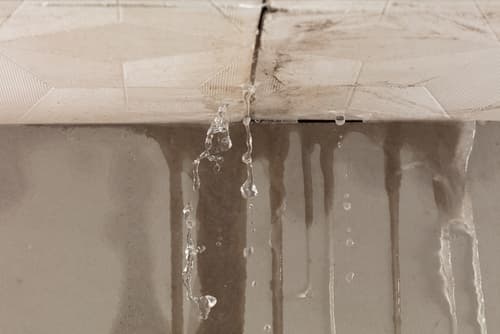
Extraction is only the first phase. After visible water is gone, the structure still needs to be dried thoroughly. This is where many DIY efforts fall short. A room may look dry while moisture remains trapped behind walls, beneath flooring, or inside submaterials, requiring professional attention.
Professional drying usually involves:
- Air movement using high-velocity fans
- Dehumidification to remove moisture from the air
- Monitoring with moisture detection tools
- Removing materials that prevent trapped moisture from escaping
The goal is not just to make the room feel dry. It is to bring materials back to an acceptable moisture level so the property can be repaired safely and the mold risk is reduced.
Where can I find a dependable emergency plumber in Rancho Santa Fe, CA?
Not sure what to do in the immediate aftermath of a flood or leak? Need someone to take charge of the situation, from eliminating the moisture to delivering a full restoration service? Risk Free Serv is the top-rated team of professionals in Rancho Santa Fe and the surrounding areas. Don’t ignore the common warning signs! The sooner we come to your home, the better chances we have of restoring your precious possessions to their original state.
Flood cleanup is a serious business, and we implore you not to try taking things into your own hands. Even if the situation looks manageable, it’s a lot better to be safe than sorry. Call professional emergency plumbers right away!