
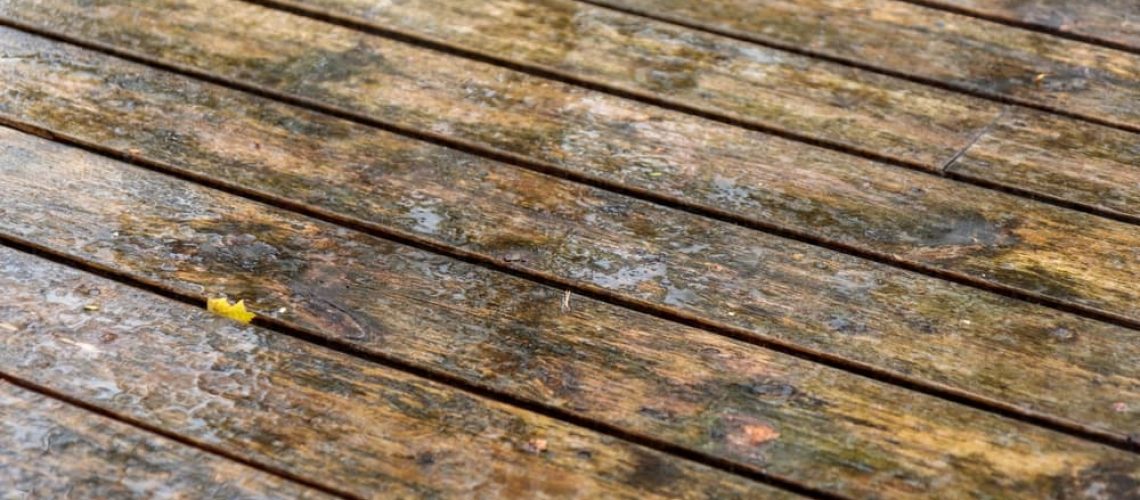
- Mold can begin growing under damp wood flooring within 24 to 48 hours.
- Musty odors, stains, loose boards, and buckling may signal hidden mold.
- Wood floors may be saved when clean water is removed, and drying begins quickly.
- Severe buckling, contamination, or persistent moisture may require floor removal.
- Stop the leak, remove standing water, document damage, and test for hidden moisture.
Water on a wood floor can look manageable once the puddle is gone, but the surface rarely tells the whole story. Moisture can seep through plank joints, collect beneath the flooring, and remain trapped in the underlayment or subfloor long after the boards feel dry. If the area is not dried properly, hidden moisture may lead to swelling, adhesive failure, staining, and, ultimately, a call to proven specialists in mold remediation in Clairemont.
The level of concern depends on how much water entered the floor, how long it remained there, where it traveled, and whether the water was clean or contaminated. A small spill handled immediately is very different from a supply-line leak, appliance overflow, or sewage backup that soaked several rooms. Knowing which changes are normal drying effects and which point to a deeper problem can help you act swiftly before the damage spreads.
How long does it take mold to grow after water damage?
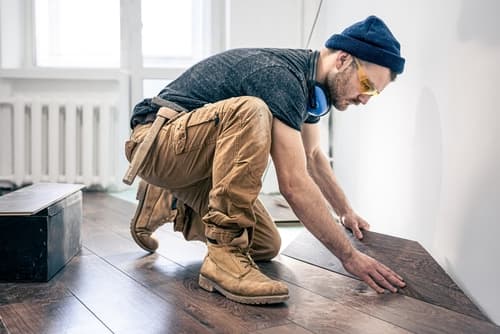
Mold can begin developing within 24 to 48 hours when wood and nearby building materials remain damp. That does not mean a visible colony will always appear within two days. Early growth may be concealed beneath boards, along the underside of the flooring, or on the subfloor. The EPA recommends drying water-damaged materials within that 24- to 48-hour window to reduce the chance of mold growth.
Temperature, indoor humidity, air movement, and the amount of moisture in the floor all affect the timeline. Wood is porous and can retain water below its finished surface. Even when towels or household fans remove visible moisture, the lower layers may stay wet. The risk increases when water reaches plywood or oriented strand board, becomes trapped under a low-permeability finish, or remains beneath flooring installed over concrete.
How do I know if mold is under my wood floor?
Possible signs include a musty odor, persistent moisture, dark staining, loose boards, and changes in the shape or feel of the floor. None of these symptoms proves that mold is present on its own, but several appearing after a leak should be taken seriously. Our moisture assessment and targeted inspection can determine whether the problem is limited to the finish or extends beneath the flooring.
A musty odor that does not go away
A stale, earthy smell is one of the strongest clues that microbial growth or damp material may be hidden. It may become more noticeable when the room has been closed overnight, or indoor humidity rises. Cleaning the visible floor may briefly mask the unpleasant smell, but a recurring odor often points to a problem below the surface. Mold can be hidden beneath flooring and other building materials, so the absence of visible spots does not rule it out.
Cupping, crowning, or buckling boards
Wood changes shape as it absorbs and releases moisture. Cupping raises the edges of a board, while crowning lifts the center. Buckling is more severe and may pull boards away from the subfloor. These changes do not automatically mean mold is present, but they show that moisture has moved into the flooring system and may still be trapped there.
Dark stains or unusual discoloration
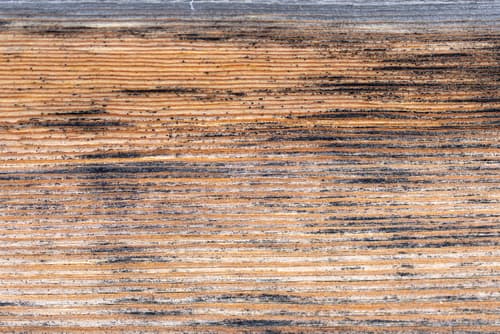
Black, gray, green, or brown marks near plank seams, baseboards, cabinets, or the original leak area deserve a closer look. Some discoloration comes from tannins, fasteners, or finish damage rather than mold. Stains that spread, return after cleaning, or appear alongside an odor and elevated moisture are more concerning.
Soft, spongy, or unstable areas
A floor that feels soft, springy, or uneven may indicate damage to the underlayment or subfloor. Moisture can weaken engineered wood layers, affect adhesives, and deteriorate wood-based panels. By the time the surface feels unstable, the loss may extend beyond a cosmetic repair. Try to limit traffic until our team has evaluated the materials underneath.
Boards that separate or feel loose
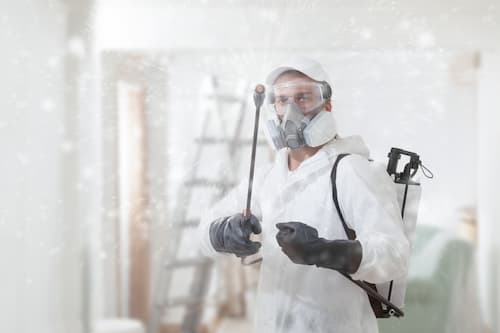
Gaps may appear as wet boards swell and later shrink. Engineered flooring can delaminate, and glued-down products may release when adhesive is exposed to moisture. Loose boards may create openings where odor escapes from below. They can also indicate that the assembly has remained wet long enough to affect more than the surface finish.
Moisture readings that remain elevated
A floor can look normal while a moisture meter shows that the boards or subfloor are still wet. Restoration professionals compare readings from the affected area with unaffected materials of the same type. The pattern matters more than one number because wood species, flooring construction, and normal indoor conditions all influence moisture content.
Should I pull up hardwood floors after water damage?
Hardwood should not be pulled up automatically after every spill or leak. With prompt extraction and controlled drying, we may be able to save solid hardwood if the water was clean, exposure was brief, and the flooring and subfloor can be dried thoroughly. Removing boards too early can cause unnecessary damage, while leaving saturated materials in place can trap moisture and allow mold or deterioration to continue.
Removal becomes a more likely option when moisture remains high despite drying, boards are badly buckled, engineered layers are separating, or the subfloor cannot be reached effectively. The water source matters as well. A clean supply-line leak may leave more restoration options than a dishwasher discharge, toilet overflow, or sewage backup. Keep in mind that contaminated water can carry microorganisms, and we may need to remove materials that cannot be cleaned adequately in place.
What should you do after discovering water under hardwood flooring?
Stop the source first, then remove standing water and move rugs, furniture, and other wet items away from the area until our team arrives. You can also photograph the damage before we start with the cleanup and remediation for future insurance purposes. Avoid relying on bleach, fragrances, or excessive heat. These measures may damage the finish, mask odors, or make the surface seem dry while moisture remains underneath.
Our professional water damage restoration includes moisture mapping, extraction, controlled drying, and repeated measurements. We use infrared imaging to locate temperature differences associated with moisture. We also use meter readings and physical inspection to confirm the presence of mold. If there is a real possibility of hidden mold growth, we may need to inspect the underside of your flooring, underlayment, and subfloor.
Who has the reputation as the leader in mold remediation in Clairemont, San Diego?
If water has reached your wood flooring, acting quickly can help limit mold growth, structural damage, and unnecessary replacement. Whether you’re located close to San Clemente Canyon or on the southern part of town, Risk Free Serv is the top-rated team for all types of mold remediation in the wider San Diego area. With certified professionals, industry-grade equipment, and an approach that prioritizes attention to detail and causes as little inconvenience as possible, you can count on us to arrive quickly, go deep beneath the surface, and do it all while respecting your property and daily routine.
If you’re looking for answers to why water damage can stay hidden in older homes, which areas homeowners often skip during flood cleanup, or whether water-damaged hardwood floors can be saved, we’re here for all this and so much more. Just reach out to us, and we’ll come to take a deeper look and offer practical guidance based on the condition of your home. Don’t waste precious time because every moment counts—call us now!