
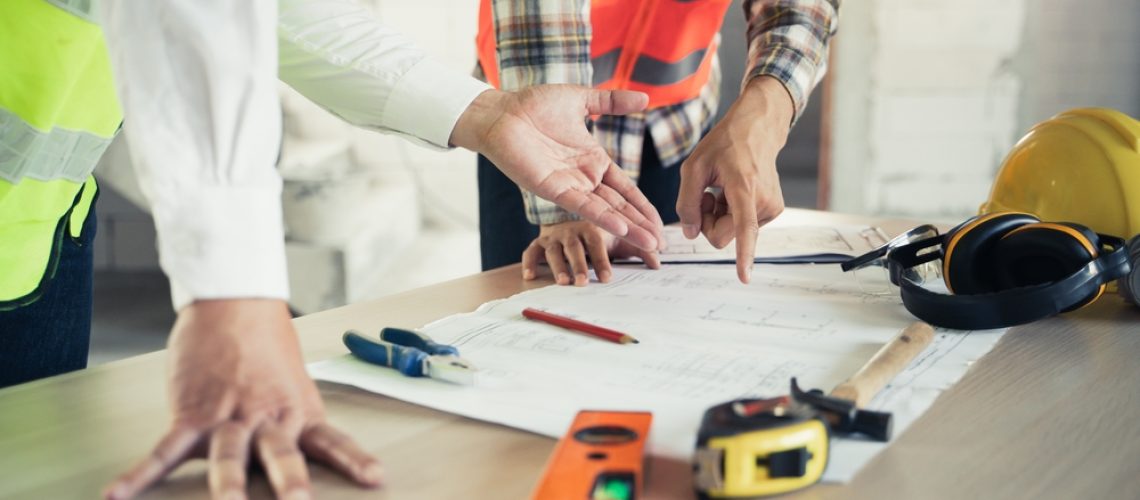
- GCs oversee the entire project, managing permits, budgets, and subcontractors.
- Builders focus on constructing new homes but may also be licensed GCs for larger projects.
- Subcontractors handle specialized tasks, such as plumbing, electrical, or roofing.
- Clear communication and coordination between GCs and subcontractors is essential for success.
- Choosing the right GC ensures a smooth, organized project with quality results.
Whether you’re planning a remodel, a new build, or repairs after a disaster, understanding who does what on a construction site can save time, money, and confusion. Homeowners often hear the terms builder, subcontractor, and general contractor services in San Diego used interchangeably, but each plays a distinct role in bringing a project to life.
Knowing the difference between these professionals helps you communicate more effectively and ensure your project stays on track. From managing timelines to coordinating specialized trades, every role carries its own responsibilities, and recognizing where they overlap or differ is key to choosing the right team for your next project.
What is the meaning of general contractor?
A general contractor is the person or company responsible for overseeing an entire construction or restoration project from start to finish. Think of them as the central coordinator, the one who manages all the moving parts and ensures everything runs smoothly and according to plan. Their job typically includes securing permits, sourcing materials, scheduling inspections, hiring and supervising subcontractors, and making sure the work meets safety codes and building standards.
Unlike individual tradespeople who handle specific tasks like plumbing or electrical work, a general contractor manages the big picture. They serve as the primary point of contact for the client, keeping communication clear and consistent while balancing timelines and budgets. Whether it’s a renovation or a large-scale restoration after fire or flood damage, the general contractor ensures that every detail is handled efficiently and professionally.
Is a GC the same as a builder?
Although the terms builder and general contractor are sometimes used interchangeably, they don’t always mean the same thing. A builder typically focuses on constructing new homes or buildings, often managing the project from design to completion. Builders may employ their own team of workers for framing, roofing, and finishing, especially when they specialize in new home construction.
A general contractor, on the other hand, has a broader role that can include both new construction and renovation work. They coordinate all aspects of a project, from demolition to final inspection, and hire specialized subcontractors when needed. While a builder might operate under their own systems and team, a general contractor acts more like a project manager who ensures every trade works together efficiently.
In practice, some builders are also licensed general contractors, allowing them to handle larger or more complex projects. However, not all general contractors are builders, many specialize in remodeling, commercial renovations, or property restoration rather than new construction. Understanding this distinction helps homeowners choose the right professional for the specific type of project they have in mind.
What is the difference between a GC and a subcontractor?
While both general contractors (GCs) and subcontractors play essential roles on a project, their responsibilities (and who they answer to) differ significantly. The GC is the project’s overall manager, while subcontractors are the specialists who carry out the hands-on work within their specific trade.
The role of the general contractor
A general contractor oversees the entire operation, ensuring that every part of the project aligns with the client’s goals, schedule, and budget. Their job is to coordinate people, materials, and timelines to deliver a finished product that meets all requirements.
Typical duties of a GC include:
- Obtaining permits and scheduling inspections
- Creating timelines and managing budgets
- Hiring and supervising subcontractors
- Communicating with the property owner or project manager
- Ensuring code compliance and safety on-site
The role of the subcontractor
Subcontractors are the skilled tradespeople who specialize in specific parts of the project. They are usually hired by the GC rather than the client directly. Each subcontractor focuses on a defined scope of work: plumbing, electrical, drywall, flooring, roofing, or painting, for example.
Their main responsibilities are:
- Completing specialized tasks assigned by the GC
- Following the project’s plans and specifications
- Maintaining quality standards within their trade
- Coordinating with other subcontractors when necessary
How do general contractors and subcontractors work together?
A successful construction or restoration project relies on clear coordination between the GC and all subcontractors. The GC acts as the central hub, ensuring each subcontractor’s work fits seamlessly into the overall timeline and design. For example, an electrician can’t begin until framing is finished, and painting can’t start until drywall is installed. Sequencing and supervision are key. In short, the GC manages how the job gets done, while subcontractors focus on doing it. This partnership keeps projects organized, efficient, and up to code.
Why choosing the right general contractor matters
Every construction or restoration project is a complex puzzle of planning, materials, permits, and skilled labor. The general contractor sits at the center of that puzzle, responsible for turning an idea into a finished structure that’s safe, durable, and up to code. Choosing the right GC can mean the difference between a seamless experience and a stressful one.
Experience and oversight
A qualified general contractor brings years of experience coordinating multiple trades, navigating building codes and unexpected problems on-site. Their ability to make quick, informed decisions keeps projects moving forward even when challenges arise. Some of the most valuable qualities in a dependable GC include:
- Proven experience across multiple project types
- Strong communication and scheduling skills
- Licensing and insurance in good standing
- A reliable network of trusted subcontractors
- Clear, detailed contracts and transparent budgeting
Accountability and quality control
The GC is ultimately accountable for the final result. They ensure that every subcontractor’s work meets quality standards and that the project passes all necessary inspections. A good GC also prioritizes safety and compliance, preventing costly rework or legal issues down the line.
When something unexpected happens, whether it’s a materials delay or a hidden structural issue, a skilled GC has the flexibility and foresight to adapt quickly without compromising results.
Peace of mind for property owners
Beyond technical expertise, the right general contractor provides reassurance. Homeowners and property managers can focus on their daily lives while knowing someone is managing permits, scheduling, and inspections behind the scenes. This level of oversight turns a potentially chaotic process into an organized and professional experience.
What are the go-to general contractor services near me in San Diego?
Choosing the best general contractor is confidence that your project will be managed with precision and accountability. Whether you’re rebuilding after water or fire damage, addressing mold issues, or planning a full restoration, Risk Free Serv is here to coordinate every step.
As a locally owned and operated company, we offer 24/7 emergency response, work with all insurance providers, and provide free inspections and estimates during normal business hours. From immediate remediation to rehabilitation or complete reconstruction, we deliver reliable results that help you restore your San Diego County property and peace of mind. Let us know how we can help today!