
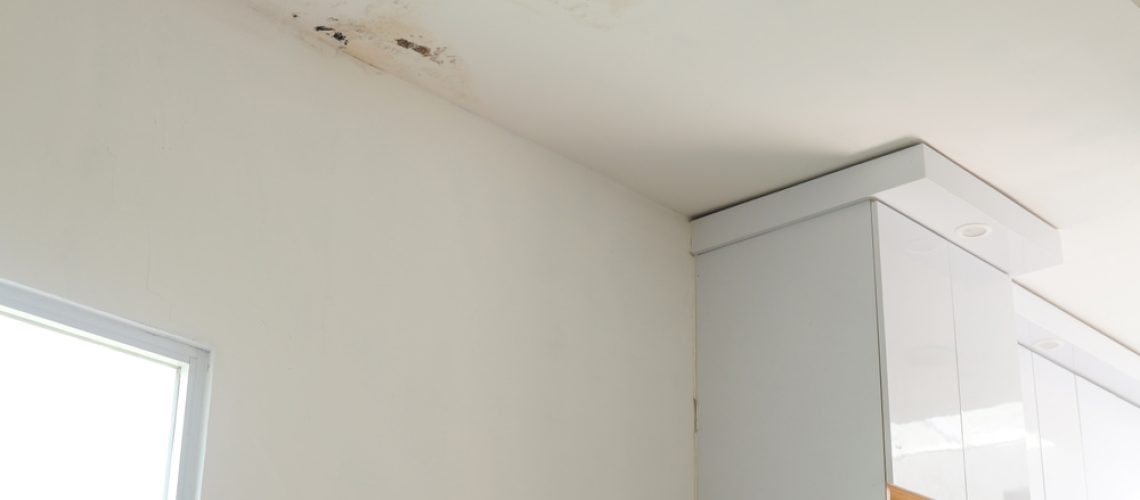
- Growing stains, sagging, or active drips require a fast reaction.
- Dry, stable stains may only need cosmetic repair.
- Mold, musty odors, or recurring spots signal hidden moisture.
- Water near lights, fans, or wiring is a safety hazard.
- Fix the leak source before repairing or repainting.
A water stain on the ceiling can be easy to dismiss at first. Maybe it looks like a pale yellow ring, a faint brown patch, or a small area of bubbling paint that seems more annoying than urgent. But water damage on the ceiling is not something homeowners should judge by appearance alone. What looks like a minor cosmetic flaw may be the first visible sign of hidden moisture spreading above the drywall, plumbing issue, HVAC condensation problem, or a roof leak that requires professional water damage repair in San Diego.
The real question is whether the source has stopped, how much water has entered the ceiling cavity, and whether the materials overhead are still structurally sound. Some ceiling stains only require drying, repair, and repainting after the leak is fixed. Others call for immediate attention because water can weaken drywall, damage insulation, encourage mold growth, or create electrical hazards. Knowing the difference can help you respond quickly to protect your home and avoid turning a manageable repair into a larger restoration project.
When should I worry about a water-damaged ceiling?
You should worry about a water-damaged ceiling when the stain is growing, the ceiling is sagging, water is actively dripping, the surface feels soft, or there are signs of mold, electrical risk, or a continuing leak. These conditions suggest that moisture is still present or that the ceiling materials may be losing strength.
Dry stains aren’t always urgent
A small, dry stain is often cosmetic once the original leak has been identified and repaired. If a roof flashing issue was fixed months ago and the ceiling patch has not changed since, the remaining discoloration may only require sealing, priming, and repainting. The key word is “dry.” Before any cosmetic repair, the ceiling should be checked with a moisture meter or properly inspected to confirm there is no damp drywall, wet insulation, or hidden water source above the ceiling.
Active drips need fast action
On the other hand, active leaking is a very serious situation. If water is dripping through the ceiling during rain, after someone uses an upstairs bathroom, or while the air conditioner is running, the leak needs immediate attention. Place a bucket beneath the drip, move furniture and electronics away, and avoid standing directly under any bulging or sagging area.
Sagging signals trouble
Drywall is not designed to hold heavy moisture. Once saturated, it can bow downward, crack along seams, or detach from fasteners. Even a small sag can mean there is more water above the surface than you can see. If the ceiling appears swollen, soft, or heavy, do not poke it casually or try to patch it with paint. The area should be assessed and relieved safely by a professional.
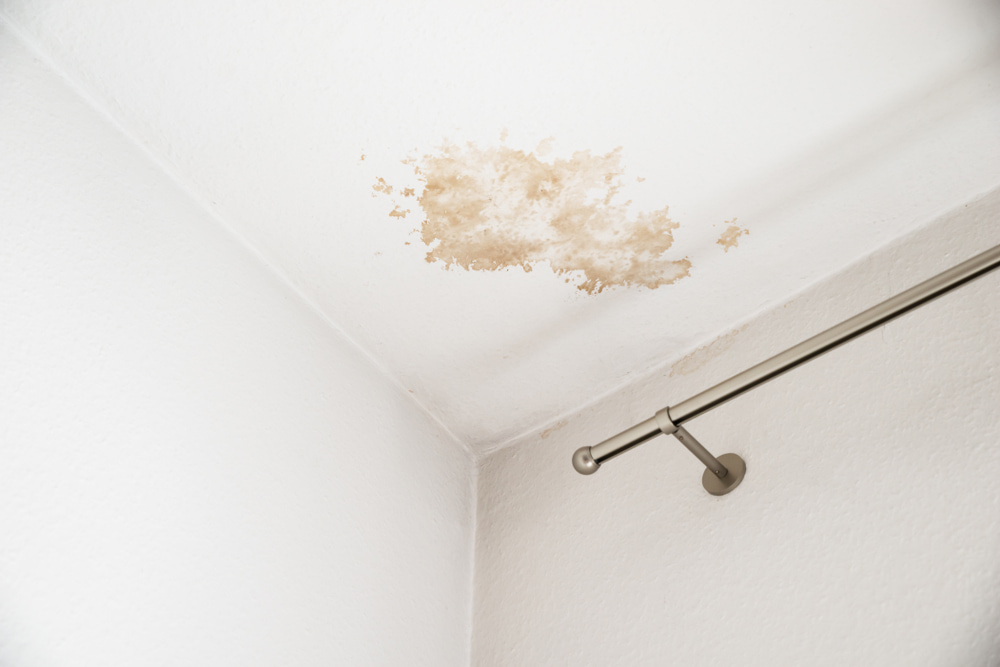
Stain patterns tell a story
A stain with dark edges, spreading rings, or new dampness after storms likely points to an ongoing roof leak. Multiple stains near a bathroom may suggest a plumbing supply line, drain line, shower pan, toilet seal, or overflow issue. A damp patch near vents or air handlers may come from HVAC condensation, clogged drain lines, or poor insulation around ductwork.
Mold is a red flag
Mold can develop behind painted surfaces, above ceiling drywall, and inside insulation, especially when leaks go unnoticed. Simply painting over the area may hide the evidence temporarily, but it will not solve the moisture problem. The source must be corrected, and affected materials may need removal or remediation depending on the extent of contamination.
Water & wiring don’t mix
Electrical concerns should never be ignored. If water is near ceiling lights, recessed fixtures, ceiling fans, smoke detectors, or wiring, treat the situation as hazardous. Turn off power to the affected area if it is safe to do so, and avoid touching wet switches, fixtures, or cords. Water and electricity can create shock and fire risks, even when the leak seems minor.
Contaminated water raises the risk
Clean rainwater or supply-line water is one concern; contaminated water from a toilet overflow, sewer backup, or drain line is another. Water that may contain bacteria or waste requires more careful cleanup and usually demands professional restoration. The longer contaminated moisture sits inside ceiling materials, the more likely it is to spread odor, staining, and microbial growth.
Fix the source before the surface
In general, ceiling water damage is more likely cosmetic when the leak has been fixed, the materials are fully dry, the drywall is flat and firm, there is no odor, and the stain has not changed over time. It becomes an emergency when water is active, spreading, sagging, near electrical components, associated with mold, or caused by a contaminated source. When in doubt, it is safer to investigate early than to wait for visible damage to worsen.
Is a leaking ceiling considered uninhabitable?
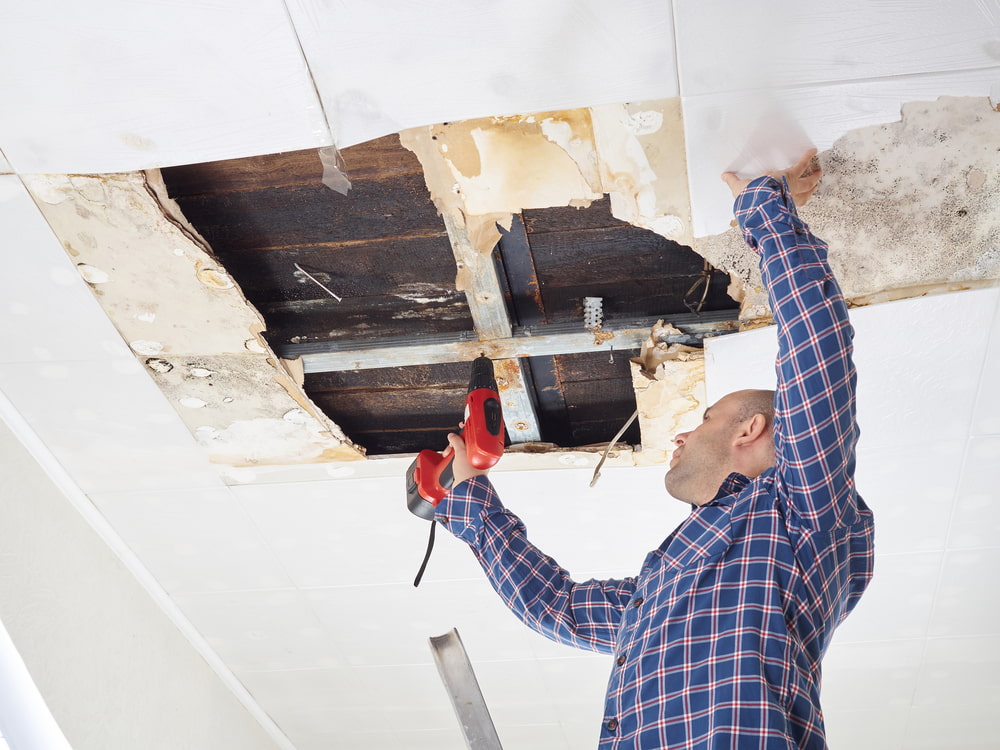
A leaking ceiling may be considered uninhabitable when it creates unsafe conditions, such as active water intrusion, ceiling instability, mold growth, electrical hazards, or exposure to contaminated water. A small, dry stain from an old repaired leak usually does not make a home uninhabitable by itself.
The concern is whether the space can be used safely. If water is dripping near lights or wiring, the ceiling is sagging, the leak keeps returning, or the room has strong odors or visible mold, the area may not be safe until the source is fixed and damaged materials are addressed. For renters, document the issue with photos and notify the landlord or property manager in writing right away.
Who specializes in water damage repair in San Diego, CA & the area?
If you’ve spotted water damage on your ceiling in Miramar, your first step should be to call awkward-winning professionals at Risk Free Serv to find out what caused it before the problem spreads. Whether you are dealing with a small ceiling stain, active dripping, sagging drywall, or signs of mold, we’ll help you move quickly from uncertainty to a clear solution, protecting the structure, finishes, and comfort of the home.
Whether you’re looking for advice on which items can be saved, aren’t sure if the water damage is new or old, or you want to talk to our experienced team directly, we’re always here to jump in at the deep end without delay.
Do not wait for a minor leak to become a larger restoration issue. Contact us ASAP to schedule an inspection and get trusted guidance from experienced water damage professionals today!