
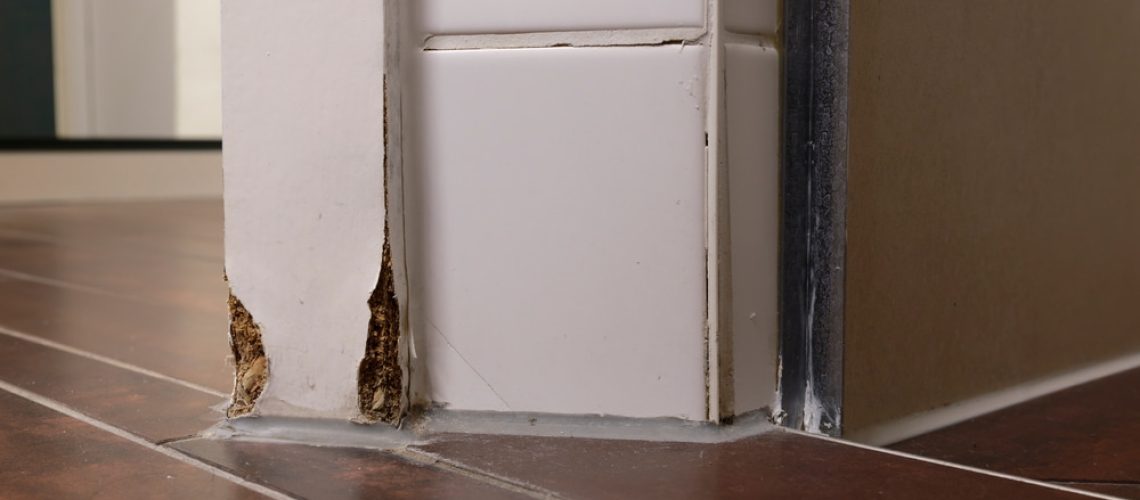
- Fresh water damage often feels damp, soft, or cool.
- Older water damage may look darker, dry, or layered.
- Musty odors can signal trapped moisture or hidden mold.
- Warping often means water has affected materials over time.
- Moisture testing helps confirm if water is still present.
Water damage does not always announce itself with an active drip or a dramatic ceiling stain. Sometimes it appears as a faint discoloration on drywall, a soft spot near the baseboard, a musty odor in one room, or a warped section of flooring that seems to have developed slowly. For homeowners, one of the first questions is often whether the damage is recent or has been sitting there for weeks, months, or longer.
The difference matters. New water damage may point to an active leak that requires immediate water damage restoration in San Diego, while older issues can reveal a long-term moisture problem that may have already affected drywall, insulation, framing, flooring, or indoor air quality. Determining the age of water damage calls for professional attention and moisture testing, but there are visible clues that can help you understand what you may be dealing with and how urgently you should respond.
How to tell old vs new water damage?
You can usually tell old vs new water damage by looking at the color, texture, moisture level, odor, material condition, and whether the stain changes over time. Fresh water damage is often damp, lighter in color, softer to the touch, and may spread quickly, while older damage is more likely to be dry, darker, musty, brittle, stained in layers, or accompanied by mold growth.
Fresh damage feels damp
If the area is actively wet, it should be treated as a current problem, not just a cosmetic one. Water that is still moving through a wall, ceiling, or floor can continue spreading into adjacent materials. Even a small amount of moisture can travel farther than expected through insulation, framing, carpet padding, and subflooring.
A moisture meter is one of the most reliable tools for confirming whether water is still present, and you need help for structural dampness. Without testing, a surface can appear dry while trapped moisture remains behind it. That is why restoration professionals often check surrounding areas, not just the most obvious stain.
Stains deepen over time
Fresh water stains are often lighter at first, especially when the water source is clean. They may appear pale yellow, light brown, or faintly gray. As water sits and materials dry out, stains can darken and become more defined. Older water damage often has brown, copper, or tea-colored rings, especially on ceilings and painted drywall.
A dark stain does not always mean the leak is active today, but it does mean water has been there long enough to leave residue behind. The important next step is determining whether the material is dry and whether the source has been corrected.
Mold means moisture lingered
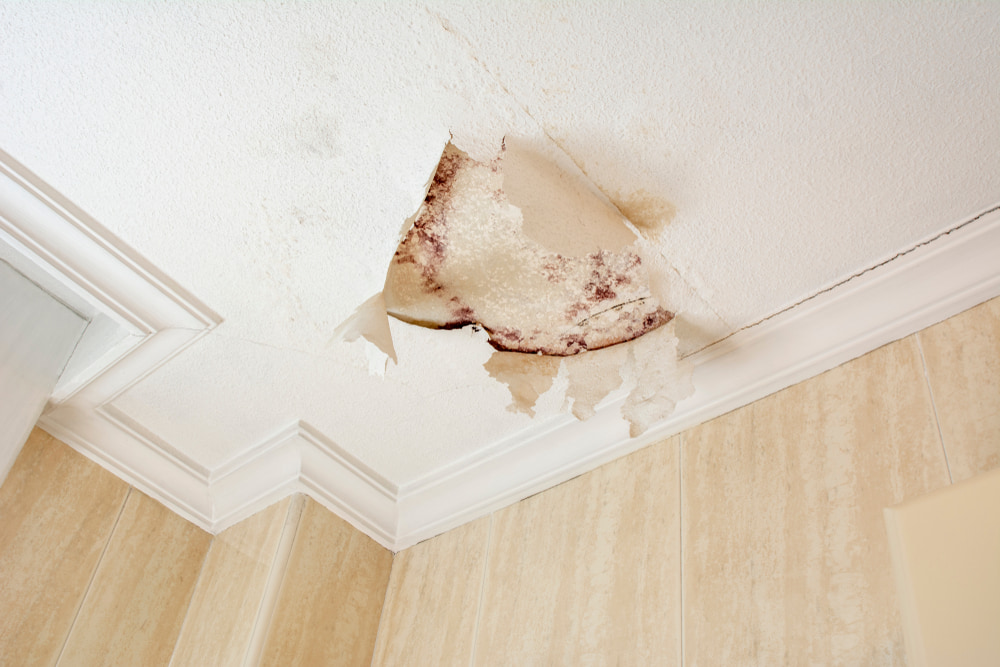
Look for black, green, gray, or fuzzy spotting near the damaged area. Mold may appear on drywall, behind baseboards, under flooring, around cabinets, or near ceiling stains. A musty odor can also be a warning sign, even if visible growth is limited. Sometimes the smell appears before the mold is easy to see because growth is happening behind the surface.
Painting over mold or spraying the area without fixing the water source will not solve the issue. If mold is present, the affected materials may need professional evaluation, containment, removal, and drying depending on the extent of the damage.
Warping takes time
The longer water sits, the more it changes the materials it touches. New damage may cause slight swelling or softness, but older damage often creates more obvious deterioration. Wood may cup, buckle, split, or separate. Laminate flooring may bubble at the seams. Drywall may crumble, sag, or lose its paper facing. Baseboards may pull away from the wall.
If building materials are distorted or breaking down, the damage is usually beyond a simple surface repair. The area may need drying, removal, replacement, or structural assessment before cosmetic work begins.
Musty odors matter
Odor is another useful clue when deciding whether water damage is new or old. Fresh water damage may smell damp, but older water damage often has a musty, stale, or earthy odor. That smell can indicate moisture trapped inside porous materials, poor ventilation, or microbial growth hidden behind walls, beneath flooring, or above ceilings.
A room that smells musty after rain, after the air conditioner runs, or when a plumbing fixture is used may have a recurring moisture issue. Even if the visible stain seems small, the odor can point to a larger concealed problem.
Watch for changes
One of the simplest ways to judge water damage is to monitor it closely. A stain that grows larger, gets darker, feels damp again, or reappears after cleaning likely points to an active or recurring leak. New bubbling paint, spreading rings, fresh cracks, or softening drywall are all signs that moisture is still affecting the area.
If a stain stays exactly the same for months and the material is confirmed dry, it may be old damage from a leak that has already been repaired. However, the source should still be verified before repainting or patching.
Location reveals the source
Where the water damage appears often gives clues about both the source and the age of the issue. Ceiling stains may point to an urgent issue with the roof, flashing, or attic ventilation problems. Stains below an upstairs bathroom may suggest a drain, toilet seal, shower pan, or supply line issue. Water damage on the walls may come from window leaks, stucco cracks, poor sealing, or drainage problems. Water marks near appliances may indicate a slow supply-line leak or overflow.
Where can I find dependable professionals in water damage restoration in San Diego, CA?

If you’re having trouble with the destructive power of water in your home in Clairemont and need a specialist to determine whether damage is new or old, the top-rated team at Risk Free Serv is always ready to react on a moment’s notice in your time of need. From damp spots, dark stains, and musty odors to warped materials and warning signs of hidden moisture, we can inspect the damage, identify the source, and recommend the right restoration plan.
We’ll offer advice on which of your belongings are worth saving, help you deal with a water-damaged ceiling, and answer all the questions you may have in a clear and detailed way.
Do not cover up stains or wait for the problem to return. Call us right away to schedule an inspection and get trusted support from experienced water damage restoration professionals.