
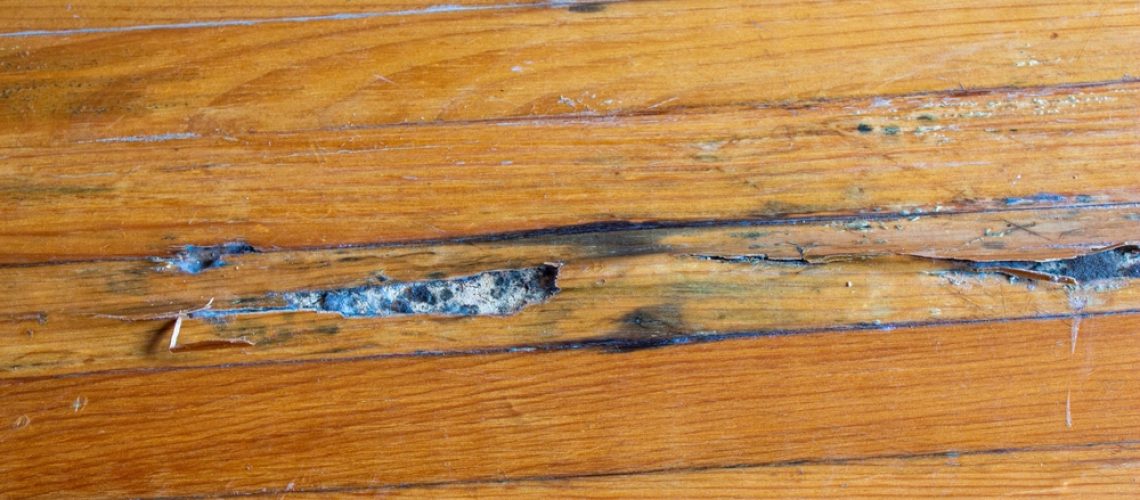
Moisture can easily seep into your hardwood floor and create perfect conditions for mold growth, which can turn into a serious issue because it not only damages the wood but can also pose health risks, especially if you or a family member has allergies or respiratory problems. Mold usually forms when moisture is trapped under or on the wood surface.
However, what’s important is that you identify the source and look for any signs of water damage around the affected area so you can address the root cause and effectively remove mold from wood floor. While reaching out to reliable experts in Mira Mesa is highly recommended to make sure there’s no trace of mold left behind, today we share effective tips on how to deal with it.
How do you tell the difference between water damage and mold on hardwood floors?
While water stains don’t always indicate the presence of mold, they can encourage its growth if left unchecked. Here’s what’s important to be aware of:
Appearance
Appearance is often the first clue. Water damage usually causes discoloration, ranging from light spots to dark stains. It can also lead to warping, buckling, or cupping, where the edges of floorboards rise while the center dips. In contrast, mold on wood floor often looks like black, green, or white patches. It can appear fuzzy or powdery and typically spreads in irregular patterns.
Changes in texture
Water-affected wood may feel soft, spongy, or warped, while moldy areas can feel rough or grainy. If the wood is still structurally sound but has unusual spots, mold could very well be the culprit.
Odor
While water damage tends to bring a musty smell due to trapped moisture, mold usually has a stronger, more pungent, earthy odor. If you notice the smell lingering even after the area dries, it’s a sign that mold could be present.
Identifying hidden moisture
Instead of relying on unreliable DIY mold testing kits—which only tell you what you can already see or smell—the key to protecting your floors is finding the root cause. Professional restoration teams utilize advanced moisture meters to scan your hardwood. If moisture readings are high, it means there is an ongoing water exposure keeping the mold alive. Pinpointing and stopping this water source is the crucial first step before any cleaning or remediation can begin
How to get mold out of wood floor?
It takes a careful approach and detailed cleaning to remove mold from wood floor and protect both the wood and your health. If the affected area is small, you can try tackling it yourself, but for larger infestations, it’s best to call a professional.
- Step1 – Protect yourself. Mold spores are harmful when inhaled. That’s why it’s important to wear goggles, gloves, and an N95 mask to protect yourself while cleaning. Make sure you open windows and doors for ventilation.
- Step 2 – Clean the surface mold. Start by vacuuming the affected area using a vacuum with a HEPA filter to capture mold spores. Next, mix a cleaning solution of one part white vinegar and three parts water. Don’t use bleach as it can damage the finish without fully killing the mold roots.
- Step 3 – Scrub gently. Use a soft brush or cloth to scrub the moldy area in circular motion. Be thorough but gentle to avoid damaging the wood. If the mold still persists, try applying hydrogen peroxide (3%) and let it sit for 10 minutes before scrubbing again.
- Step 4 – Sanding. If the mold has penetrated deep into the wood, you may need to lightly sand the area to remove what has seeped beneath the surface. After sanding, wipe the area clean and apply a wood-safe antifungal treatment to prevent regrowth.
- Step 5 – Dry thoroughly. Mold thrives in moisture, so it’s essential to dry the area completely. Use fans or a dehumidifier to speed up the drying process.
To prevent it from returning, make sure you fix any issues such as poor ventilation or leaks, regularly inspect for black mold on your wood floor and for signs of water damage, and promptly address any spill.
What is the best mold killer for hardwood floors?
When it comes to killing mold on hardwood floor, choosing the right cleaner is an essential step to ensure optimal results without damaging the wood. Not all mold killers are safe for hardwood, so it’s important to use products that are both effective and gentle.
- White vinegar is a popular, natural option. It’s acidic enough to kill most mold species and is safe for wood when diluted. Mix the aforementioned solution and apply it to the affected area, making sure to let it sit for an hour before wiping it clean. This method works well for surface mold and is non-toxic.
- Hydrogen peroxide (3%) is another effective solution. It penetrates the wood’s surface, killing mold spores on contact. Apply it directly to the mold, let it sit for 10 to 15 minutes, use a soft brush to scrub gently. It also helps to lighten any mold stains without causing wood discoloration.
- For tougher problems, commercial mold removers designed specifically for wood surfaces are available. Look for products labeled “wood-safe” or “fungicidal”, as these are specially formulated to kill mold without damaging the finish. Always follow the manufacturer’s instructions and test a small area first.
Whichever option you choose, drying the floor thoroughly after treatment is crucial to prevent future mold growth.

Where can I find reliable experts for mold hardwood floor water damage in Mira Mesa & beyond?
Whether you’re looking to minimize water damage on your hardwood floors, you’re curious to learn more about how to identify and address water damage early, or wondering what different types of water damage there are, reach out to Risk Free Serv. With years of experience and a trusted crew of professionals, we’re here to give you the peace of mind you deserve. No matter if you need us in Mira Mesa or across SD, you can count on our experts to deliver exceptional service every time. Get in touch with us today and find out why we’re the best at what we do!