
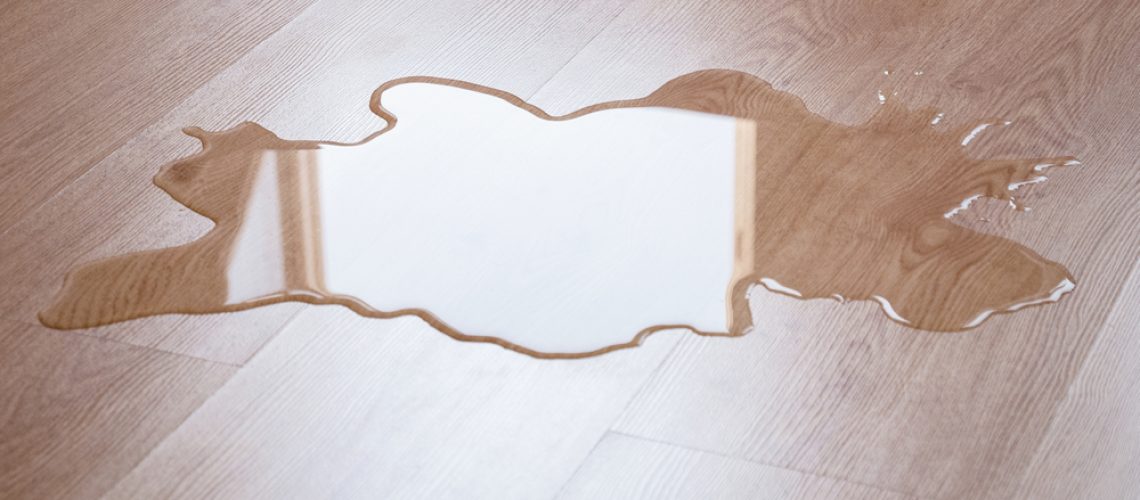
While hardwood floors can be a gorgeous addition to your home, they can also be extremely susceptible to damage in case of water-related accidents. Be it an overflowing toilet, broken pipes, or a leaky roof, your flooring can quickly become warped and susceptible to mold if not addressed on time.
Understanding how to dry hardwood floors and how best to react when such situations occur can help you minimize the extent of damage at your Mira Mesa home. That’s why today, we share this comprehensive guide on how to save your hardwood floors in case of flooding of any kind. Read on.
How to dry out hardwood floors after a flood?
While the best course of action is to immediately contact professionals, there are steps you can take until they arrive. Don’t forget that even if your floor is finished, it doesn’t mean it’s entirely resistant to moisture, so have a look at these tips on how to dry out hardwood floors:
Clear out the area
Whether you need help on how to dry hardwood floors after a leak or another water-related accident, start by taking out all rugs and furniture from the affected area. They soak up moisture and can release it back onto the wood, rendering the drying process more difficult. If possible, take them out and place them in a sunny spot to dry. Otherwise, set them on a durable surface such as tile or concrete.
Remove excess water
Soak up as much water as possible. Use a mop, towels, or rags to get rid of visible moisture. However, make sure you thoroughly wring out and clean these afterward. Once you’re done, you can use a wet vacuum to remove any hidden moisture as water can easily get under hardwood floor. If you don’t have one, you can find it at home repair stores or leave it to the pros to deal with hardwood floor water extraction.
Disinfect the surface
Once excess water is removed, use a gentle brush to apply a disinfectant that doesn’t produce suds. Let it sit as instructed on the label, then use a well-rung mop to rinse. Finish off with a wet vacuum or dry cloth to remove any remaining moisture.
Dry out the area
Even in case the surface seems dry, don’t forget that moisture can seep deep within wood. That’s why, to dry wet hardwood floor, it’s important to use a professional-grade dehumidifier and place it in a central spot, running for at least 24 hours.
You can also position a few large fans to increase airflow while the dehumidifier operates. If the weather allows, open doors and windows slightly to help any additional moisture escape.
What causes black stains on hardwood floors?
Black stains can stem from several causes, including moisture, heat, and chemical reaction. For example, oakwood naturally contains high amounts of tannic acid which reacts with moisture, resulting in black spots and your hardwood floor getting darker. Understanding the cause can help your specialists in hardwood floor water damage repair in Mira Mesa take the right approach to dealing with this issue depends on the actual cause:
- Mold and mildew: Damp conditions are a breeding ground for fungi that can weaken the wood and leave black stains.
- Water damage on wood floor: If water from rain, spills, or another source stays on the wood for a long period of time, tannins and minerals react, which results in dark stains.
How to fix water damaged wood floor?
When you’ve dealt with water and moisture, you can take further steps to fix the floor. However, these steps depend on the extent of wood floor water damage. Here’s how to handle some common issues:
- Assess the damage: Evaluate the severity of the damage. Minor warping or staining may only require refinishing, while severely buckled or rotted boards might need to be replaced.
- Sand and refinish: For minor warping, once the floor is dry, use a sander to smooth out raised areas. After sanding, restrain and reseal the wood to blend it back with the rest of the floor.
- Replace damaged boards: If some planks are beyond saving, carefully remove them and cut and install new boards of the same type, making sure they fit snugly. Secure them with nails or adhesive, then stain and seal to match the surrounding floor.
- Prevent future damage: Once everything looks good again, take steps to avoid repeat disasters. Use a good sealant, fix leaks promptly, and consider adding area rugs in high-risk spots.
When it comes to swollen wood floor, one of the most common reasons is humidity. Luckily, it only takes a few simple steps to fix water damaged swollen wood floor. First, lay some thick towels over the affected area and run a dehumidifier to eliminate any excess moisture from your home’s ventilation system. Finally, run an upright vacuum over the area until the surface goes down again.
How to treat discolored hardwood floor after water damage?
Sanding can help remove any surface stains. However, if the discoloration persists, you can try applying an oxalic acid wood bleach to lift the stains, just make sure to follow the manufacturer’s instructions. After treating the stains, thoroughly clean the area and allow it to dry completely. Once dry, restrain the wood to match the surrounding flooring, and then apply a protective finish to seal the surface. This will help restore the appearance and protect the wood from future damage.

Looking for trusted specialists in wood floor water damage repair in Mira Mesa & the vicinity?
If you want to make sure you identify water damage early on, you’re curious to learn more about the different types of water damage, or need help dealing with mold on your hardwood floors, Risk Free Serv is your go-to team. We apply cutting-edge equipment and time-tested methods to take detailed care of your home and ensure the safety of your family. Whether you need us around Mira Mesa Senior High School or in another nearby neighborhood, we’ll reach you promptly to deliver premium-quality service. Call today!