
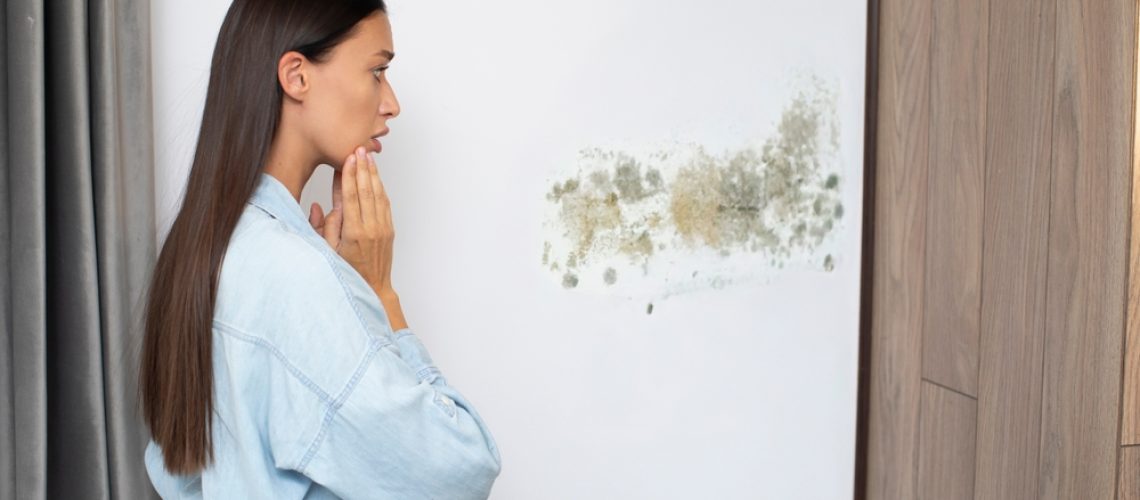
You scrub it, you spray it, you even rip out the drywall. But no matter what you do, the mold comes back, again and again. It’s not just frustrating; it can feel like your home is fighting against you. When mold keeps reappearing, it’s a clear sign that the root cause hasn’t been fully addressed. And more often than not, that root is tied to lingering moisture issues hidden beneath the surface.
Recurring mold is a warning sign that something deeper is wrong. And while calling in specialists in water damage repair in Carmel Valley is essential, knowing what to look for can help you spot the early signs and understand when it’s time to bring in the pros. The more you understand about why mold keeps coming back, the better equipped you’ll be to stop it – for good.
What does it mean when mold keeps coming back?
When mold keeps returning, it’s a signal that something deeper is going on beneath the surface. Scrubbing mold away without treating the conditions that feed it is like mopping up water without fixing the leak.
Moisture is a prime reason
The number one reason mold returns is moisture that never fully dried out. This could be the result of a slow leak, high humidity, poor ventilation, or water that was never properly removed after a flood or spill. Even a seemingly dry wall or floor can harbor trapped moisture behind the surface, especially in porous materials like wood, drywall, or insulation. Mold spores are always present in the air, just waiting for the “right” conditions in the form of moisture and warmth to settle in and grow.
Treating symptoms and not the source
Using store-bought cleaners or even bleach may kill surface mold, but it doesn’t eliminate mold roots embedded within materials. In porous surfaces, mold acts like a weed, sending filaments deep below what you can see. Wiping the top is just like mowing the lawn when you need to pull the roots. If your home wasn’t professionally dried and inspected after water damage, it’s likely that the source of the problem was never fully removed.
Airflow and humidity are working against you
Even after a leak is fixed, many homes continue to suffer from poor ventilation or trapped humidity. Bathrooms without exhaust fans, laundry rooms without airflow, or even basements that stay musty can all create a damp environment that mold loves. When these conditions aren’t corrected, mold will return like clockwork, often in the same spots you just treated.
Structural materials may be compromised
If mold is coming back in the same area, the building materials themselves may now be contaminated. Wood, drywall, insulation, and carpeting can hold onto mold spores even after surface cleaning. This is especially true if the materials weren’t fully dried or replaced after the initial water incident. Once contaminated, they often need to be professionally removed and replaced to stop the cycle for good.
How to get rid of mold if it keeps coming back?
Traditional cleaning methods just don’t cut it if you notice that mold keeps reappearing. To truly stop the cycle, you need a multi-layered approach – one that goes beyond surface-level fixes and tackles the environment mold depends on. Here’s how to break the cycle once and for all.
Step 1: Identify the moisture source
The first step is also the most critical – find out where the moisture is coming from. It could be a leaky pipe under the sink, condensation on poorly insulated walls, water seeping in through a foundation crack, or even humidity from daily living that has nowhere to escape. This often requires a thorough inspection, sometimes with moisture meters or infrared cameras, to locate hidden damp spots that aren’t visible to the eye.
Step 2: Repair and dry the area completely
Once you’ve identified the issue, it’s time for full water damage repair. That means fixing leaks, replacing wet insulation, and removing any materials that can’t be salvaged. Simply drying the surface isn’t enough because the area has to be completely moisture-free to prevent mold from returning.
Professional-grade drying equipment, such as dehumidifiers, air movers, and HEPA air filters, can help ensure that no residual dampness lingers. This is one of the most overlooked but essential parts of long-term mold control.
Step 3: Professional mold remediation
If mold has returned more than once, it’s a sign that professional mold remediation is needed. This goes far beyond cleaning with bleach or vinegar. Mold remediation involves isolating the contaminated area, using negative air pressure, and removing or treating affected materials using antimicrobial agents. Professionals will also ensure the air is properly filtered during cleanup so spores aren’t spread to other areas of the house.
Always look for a licensed and certified team with experience handling mold in structures with previous water damage. A good remediation plan will correct the conditions that allowed it to take hold.
Step 4: Improve ventilation and control humidity
Once the mold is gone, prevention is key. That means upgrading bathroom fans, adding ventilation to moisture-prone areas, or installing a whole-home dehumidifier if necessary. Humidity levels should stay below 60% (ideally around 40% to 50%) to prevent mold from thriving again.
You can also add vapor barriers in crawl spaces, seal windows and doors, and reroute drainage outside your home to keep moisture where it belongs.
Step 5: Monitor and maintain
Stopping mold is an ongoing process. Regularly check high-risk areas like basements, attics, behind appliances, and under sinks. Keep an eye out for musty smells, condensation, or discoloration. Even with proper repairs and remediation, mold can return if conditions slip back into its favor.
Preventative maintenance is your long-term defense. Consider having a professional inspection once a year, especially if your home has a history of water damage.

Who are the go-to experts for water damage repair in Carmel Valley & beyond?
Mold doesn’t wait – and neither do we. As a full-service restoration team, Risk Free Serv offers comprehensive solutions that go beyond surface-level fixes. From moisture detection and full structural drying to certified mold remediation, we handle the entire process with precision and care.
Our 24/7 emergency response ensures that when timing matters most, we’re already on the way. Whether it’s a recurring mold issue in your property near Carmel Valley Restoration Center or an urgent water damage emergency in another part of the city, we’re here to restore your home and peace of mind.