
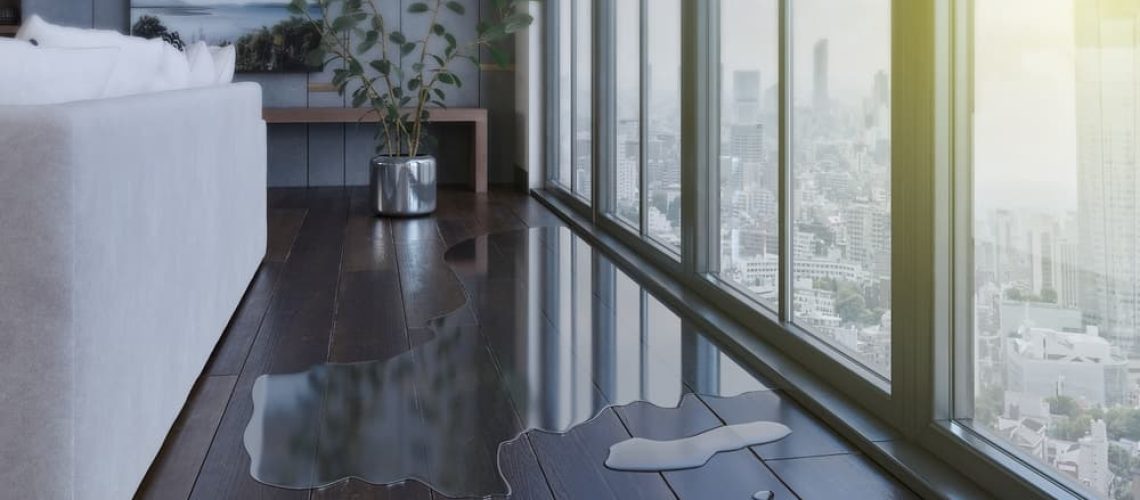
- Fast drying can save hardwood when the water is clean and exposure is brief.
- Solid hardwood is usually easier to restore than engineered hardwood.
- Musty odors, buckling, stains, and soft spots may signal hidden damage.
- Sand only after moisture levels stabilize to avoid uneven results.
- Severe delamination, contamination, or subfloor damage may require replacement.
Water-damaged hardwood does not always need to be replaced. Some floors recover well after professional extraction and controlled drying, while others sustain damage that reaches through the boards, adhesives, underlayment, or subfloor. The outcome depends on the flooring material, the amount and source of the water, how long the area remained wet, and whether the boards have started to separate or deteriorate.
However, appearance alone cannot confirm whether a floor is salvageable. Boards may look dry while moisture remains trapped underneath, and mild cupping can sometimes improve after the wood returns to a stable moisture level. But before you refinish or remove the floor, it is important to let professionals in water damage restoration in Clairemont identify the source, measure moisture throughout the affected area, and examine the layers below the visible surface to help you get the full picture of your home’s condition.
Can water-damaged hardwood floors be saved?
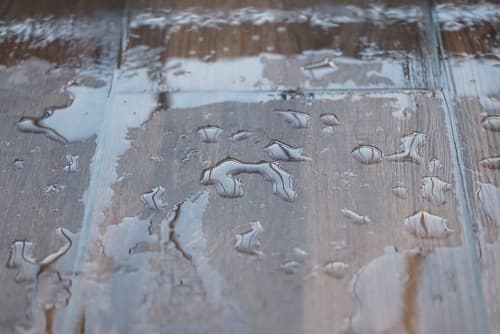
Many hardwood floors can be saved when the water came from a clean source, exposure was brief, and professional drying began quickly. Solid hardwood often has a better chance of recovery because it can tolerate careful drying, isolated board repairs, sanding, and refinishing. Minor cupping, staining, or surface damage does not always require full replacement.
Restoration becomes less likely when boards buckle, engineered layers separate, adhesives fail, moisture remains trapped, or mold develops underneath. Contaminated water from sewage or a toilet overflow may also require removal of porous materials. A proper assessment should include the flooring, underlayment, subfloor, baseboards, and nearby materials, since hidden moisture may extend well beyond the visible area.
Can mold grow under hardwood floors after water damage?
Mold can grow beneath hardwood flooring when moisture remains trapped long enough to support it. The EPA advises drying wet building materials within 24 to 48 hours because mold growth becomes more likely when damp conditions continue beyond that period. Early growth may develop on the underside of boards, the underlayment, the subfloor, or settled dust beneath the flooring before anything becomes visible from above.
A finished wood surface may dry faster than the layers underneath it. Water can pass through plank seams, travel beneath baseboards, or spread across a subfloor beyond the original puddle. Low air movement beneath tightly installed boards makes hidden moisture harder to remove with ordinary household fans.
Warning signs can include a recurring musty odor, dark discoloration around seams, persistent moisture readings, loose boards, or staining near walls and cabinets. These conditions do not confirm mold by themselves. A targeted inspection may require moisture testing and limited removal to examine concealed materials directly. Infrared imaging can help identify areas that need further testing, but it cannot identify mold or measure moisture on its own.
Is water damage worse on engineered hardwood or solid hardwood?
Water damage is often harder on engineered hardwood because the flooring is made from multiple bonded layers. Moisture can weaken the adhesive between those layers, causing the veneer to lift, bubble, peel, or separate. Once significant delamination begins, sanding the surface will not restore the internal bond.
Solid hardwood consists of one piece of wood throughout each board. It can still cup, crown, split, stain, or buckle after water exposure, but it usually offers more repair and refinishing flexibility. Some solid hardwood floors can be dried in place and sanded after their moisture content stabilizes. Individual damaged boards may also be replaced without removing the entire floor.
The installation method affects both flooring types. Water beneath a floating engineered floor may become trapped across a wide area, while moisture can interfere with adhesive beneath a glued-down installation. Nail-down hardwood may allow specialized drying systems to draw moisture through or beneath the boards, although the subfloor still needs close monitoring.
Neither material should be judged by appearance alone. The thickness of the wear layer, amount of water, exposure time, finish, adhesive, subfloor material, and water category can all affect whether repair is practical.
How do I know if my hardwood floor is ruined?
A hardwood floor may be beyond practical restoration when it has severe deformation, permanent separation, extensive mold contamination, or damage to the supporting materials underneath. One symptom may be repairable, but several serious changes across a broad area often point toward partial or complete replacement.
The boards have buckled away from the subfloor
Buckling occurs when boards lift substantially, shift out of position, or detach from the surface beneath them. Minor movement may improve during drying, but boards that have pulled upward by several inches or broken their fasteners rarely return to their original condition. Buckling may also indicate that a large amount of water reached the subfloor.
Engineered flooring is peeling or delaminating
A raised veneer, bubbling finish, or separation between layers suggests that moisture has affected the structure of engineered hardwood. Light surface damage may be repairable in isolated areas. Widespread delamination generally requires replacement because the internal layers cannot be reattached reliably through sanding or refinishing.
The floor remains soft or unstable
Soft, spongy, or springy areas can indicate weakened underlayment, deteriorated subfloor panels, adhesive failure, or decay. The problem may extend below the finished boards even when the top surface looks fairly normal. Limit foot traffic over unstable areas until the supporting layers have been inspected.
A musty odor returns after cleaning
A recurring earthy or stale smell may come from damp underlayment, contaminated debris, or mold beneath the floor. Cleaning and deodorizing the visible boards will not resolve growth in concealed materials. The moisture source must be corrected, and affected layers may need to be exposed for proper remediation.
Moisture levels do not continue to fall
Drying progress should be confirmed through repeated moisture measurements. Readings that remain elevated or stop improving can mean water is trapped under the flooring, inside the subfloor, or against concrete. The IICRC’s water restoration standards emphasize inspection, drying technology, instruments, documentation, and evaluation of the materials involved rather than relying on appearance alone.
Large gaps remain between the boards
Wet boards expand and may shrink as they dry. Small seasonal gaps can be normal, but broad or irregular separations after a water loss may indicate permanent dimensional change. Gaps can also appear when boards have shifted, fasteners have loosened, or engineered products have changed shape unevenly.
Dark staining spreads or returns
Some dark marks come from reactions between water, wood tannins, and metal fasteners. Others may be associated with microbial growth or prolonged saturation. Stains that expand, return after surface cleaning, or appear with odor and elevated moisture require further investigation beneath the finish.
The subfloor has swollen or deteriorated
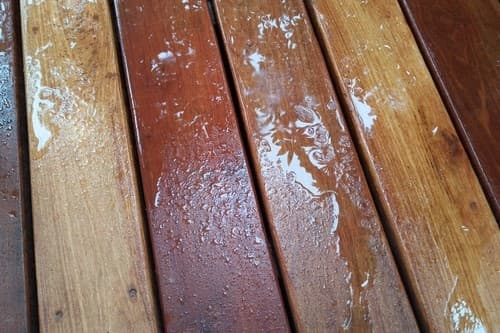
Plywood and oriented strand boards can swell, weaken, or lose their flat profile after prolonged saturation. Even salvageable hardwood cannot be reinstalled securely over a damaged base. The affected boards may need to be lifted so the subfloor can be dried, repaired, or replaced before the finished surface is restored.
The water was heavily contaminated
Hardwood exposed to sewage, groundwater, or other contaminated water requires a different assessment from flooring affected by a clean supply-line leak. Contaminants can travel through seams and collect beneath the boards. Materials that cannot be accessed and cleaned safely may need controlled removal, regardless of whether the visible finish still looks usable.
Where can I find dependable water damage restoration in Clairemont, CA & the area?
If your hardwood flooring has suffered water damage and you’re wondering whether it can be dried, we are just the team of specialists you’re looking for. If your home is near the Cadman Recreation Center or anywhere else in San Diego, Risk Free Serv is always ready to provide a swift and methodical answer in your time of need.
Our water damage restoration team will check your flooring, subfloor, surrounding materials, and moisture levels to determine what can be saved and what may need to go. We’ll explain why hidden water damage is common in older homes, focus on areas that are often missed during flood damage cleanup, walk you through mold concerns after wood floor damage, and offer our advice on what is the best solution for your specific predicament.
Water damage is definitely frustrating, but there is no reason to despair. With our experience and commitment, you have every chance of saving the day. Contact us to schedule a professional assessment of your home, and we’ll be there ASAP to protect your home comfort in any way we can. Call us now!