
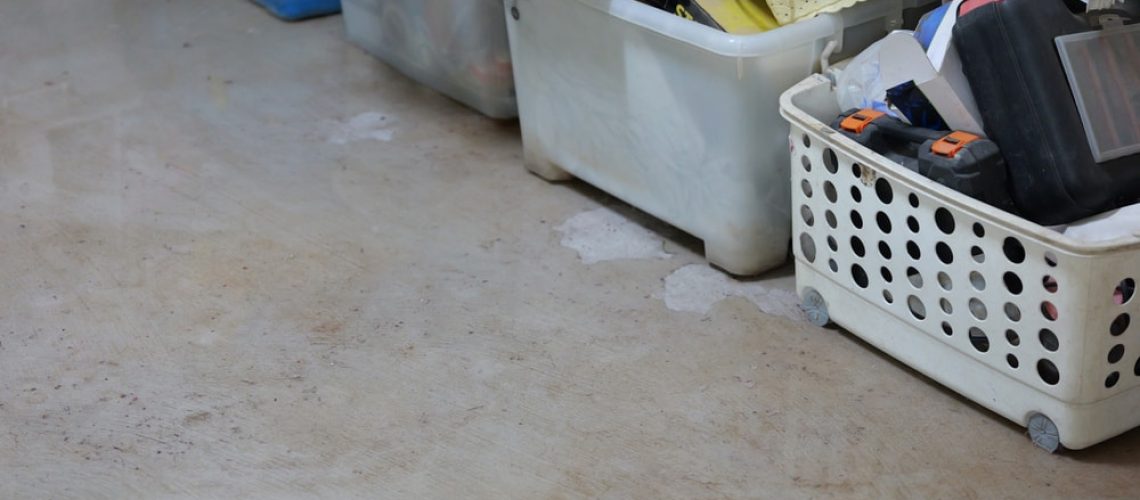
- Solid wood, metal furniture, and antiques are often worth restoring after a flood.
- Particleboard and laminate furniture rarely recover from prolonged water exposure.
- Upholstered furniture and mattresses soaked in contaminated water usually need replacing.
- Wet photographs may be restored, but mold can start growing within 48 hours.
- Professional drying and restoration improve the chances of saving water-damaged belongings.
If your home just took on water, you’re probably looking around and wondering what’s worth keeping. Some things are obviously gone. Others are harder to call, like the dining table you’ve had for twenty years or the box of family photos that was sitting on the closet floor. It’s tempting to decide fast just to clear the mess, but a wrong guess can cost you something you could have kept.
For those dealing with flood damage in Escondido, it helps to know what to look for first. Below, we’ll go over whether water-damaged furniture can be restored, which pieces are usually worth saving, and whether wet photos can be restored. Keep reading before you start sorting!
Can furniture be restored after flood damage?
A lot of it can, but not all of it, and the line between the two isn’t always obvious from looking. Whether a piece is worth restoring comes down to a few things:
- What it’s made of. Solid wood and metal tolerate soaking far better than particleboard or anything padded.
- What kind of water it sat in. Clean water from a burst supply line is a very different problem from stormwater that ran through streets and yards.
- How long it stayed wet. A chair that sat in an inch of water for an afternoon has a much better shot than one that spent a few days submerged.
- How it’s dried. Rushed drying can warp a piece or loosen its joints, even when it otherwise would have recovered.
The last two are the ones you can still influence, which is why getting a professional crew in quickly matters even for furniture that looks fine at first glance.
When the water was dirty
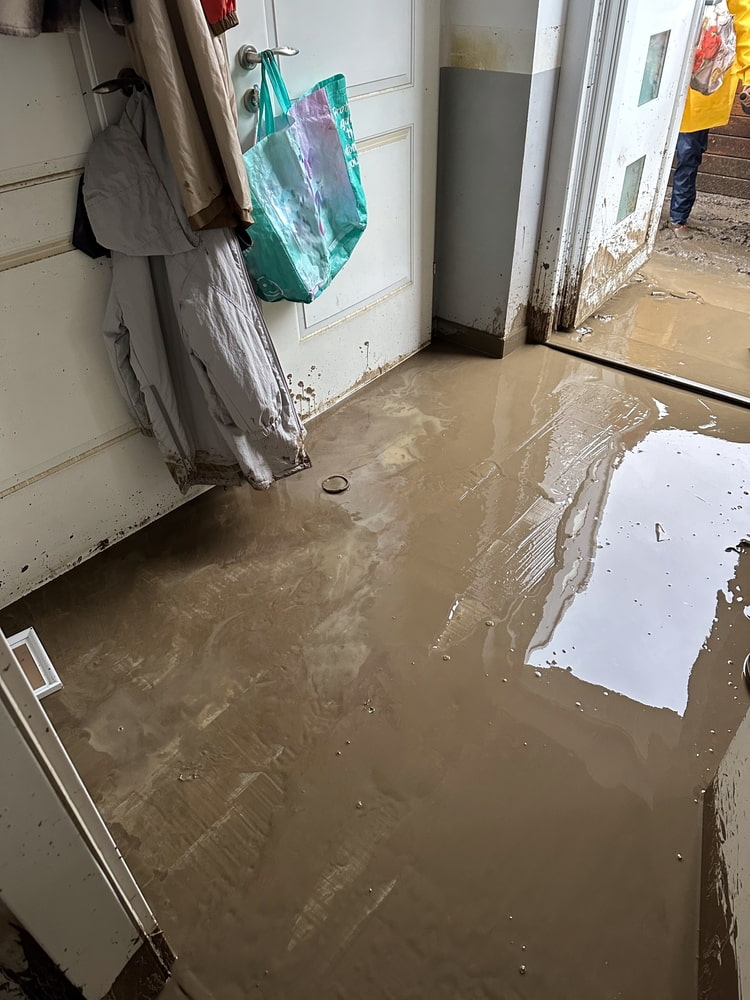
Water that comes in from outside rarely stays clean. Storm runoff picks up whatever it crosses, and it can carry bacteria from overflowing sewage lines along with agricultural and industrial waste. Professionals can often clean and disinfect hard, sealed surfaces. Porous materials are harder, because contamination soaks into foam, fabric, and unfinished wood where surface cleaning can’t reach it.
Clean water is more forgiving, at least at first. A rug soaked by a hidden water heater leak is far less hazardous than one that sat in stormwater, but even clean water can turn into a problem once it sits for a couple of days and bacteria start to grow. Either way, a restoration team can tell you which category you’re dealing with and what that means for each piece.
Why drying it right takes a pro
Wood furniture needs to dry slowly and evenly. Set a wet dresser out in the driveway sun and the outside dries faster than the inside, which is how tops split and drawers stop closing. Upholstered pieces have the opposite problem. They’re difficult to dry in time to keep mold from taking hold, because the moisture sits deep in the cushions and padding.
Restoration crews handle this with dehumidifiers and moisture meters that show when a piece is actually dry inside, not just on the surface. They also deal with the room itself. Furniture pushed against a soggy wall keeps wicking moisture back up, and walls can stay wet for weeks, the same way a pinhole leak hidden inside a wall keeps drywall damp without anyone noticing. Before anything gets thrown out, take photos of it, since your insurance claim may depend on that record.
Which furniture can be saved after a flood?
Solid wood, metal, and well-made antiques are usually the best candidates. Pieces built from particleboard or laminate rarely come back, and upholstered furniture or mattresses soaked by outside water usually need to go. That’s the short version. Within each group there’s a lot of nuance, and a professional who can see the piece in person will give you a better answer than any rule of thumb.
Solid wood & metal
Solid wood furniture is often restorable, even after a hard soaking. It may take weeks of slow drying before a restorer can tell whether joints have loosened or the wood has warped, and a piece that spent several days underwater may not be worth the effort.
Metal tables and chairs usually clean up well, though they need to be dried thoroughly so rust doesn’t set in at screws and welds. Leave any refinishing to a professional, since stripping or sanding too early can trap moisture or ruin a finish that would have recovered.
Veneer, particleboard & laminate
This is where most modern furniture falls, and it’s the hardest group to save. Veneer is a thin layer of real wood glued over a core of particleboard or fiberboard, and particleboard cores swell for good once they’ve been submerged.
Printed vinyl and low-pressure laminate finishes tend to peel away from the core, and even a professional can’t reattach them. A veneered piece that only got damp, or has a few loose spots, might be worth having a skilled woodworker look at. Anything with a swollen, crumbling base usually isn’t.
Upholstered pieces & mattresses
Sofas, recliners, and mattresses are the hardest losses for most families, and they’re usually the ones that have to go when outside water soaked them. Foam and batting act like sponges, so badly soaked upholstery rarely recovers, and whatever was in the water is now deep inside the cushions.
A valuable or sentimental piece that only got wet from clean water may be worth a conversation with a furniture restoration specialist, who can strip it down to the frame and rebuild it. For everything else, the money usually goes further toward a replacement.
If mold has already shown up on the upholstery or the wall behind it, leave it alone. Disturbing it can spread spores to other rooms, so call in a professional crew and ask what they need from you for getting a room ready for mold removal.
Antiques & heirlooms
Antiques are often worth saving, even when they look rough. Restorers generally aim to do as little as possible, because heavy refinishing can wipe out much of a piece’s value. That’s a strong reason to keep your hands off a wet antique beyond moving it somewhere dry and out of the sun.
Get an estimate from an experienced restorer, then compare it with what the piece is worth to you and what your insurance covers. For a family heirloom, the answer is often an easy yes.
Can pictures be restored after flood damage?
Often, yes, especially if they get to the right people quickly. Many wet prints can be saved, and even badly stained or stuck photos can sometimes be stabilized or copied by a conservator. Results depend on the age and type of photo and how dirty the water was, but mostly on how long the pictures stayed wet.
Why the clock matters
Photographs are fragile once they’re wet. The image layer softens and can stick to whatever it touches, from the next photo in the stack to an album page or the glass in a frame. Mold can also start growing within 48 hours, which is why conservators treat the first two days as the window that counts. When there’s no way to get help that quickly, a conservator may recommend freezing newer, less valuable prints to buy time.
Older or one-of-a-kind photos are different, so call before you put those in the freezer. Water from outside adds a health concern, too. Conservators handle those photos with gloves, smocks, and respirators, which is one more reason not to sort through a contaminated stack bare-handed.
What to avoid while you wait
The urge to rescue every picture yourself is strong, but a few common moves make things worse:
- Pulling stuck photos apart. The image layer can tear right off. Leave clumps and stacks for a conservator.
- Touching the image side. Even a gentle wipe can lift the softened surface. If you have to move a photo, hold it from underneath.
- Peeling prints off album pages or frame glass. These are some of the trickiest cases, and professionals want to see them exactly as they are.
- Drying them in direct sun or with heat. Fast drying can curl and crack prints.
Getting help from a conservator
For valuable photos, large collections, or anything stuck together, a professional photograph conservator is the right call. Ask whether they’ve worked with photos that sat in contaminated water, and bring the pictures in whatever condition you found them, frames and album pages included.
They can clean, separate, and flatten prints with methods that protect the image, and they can often make high-quality copies of anything too far gone to fully recover. Many people also have their most important photos scanned once they’re stable, so the originals aren’t the only copy.
While the photos are in good hands, the house still needs attention. Wet walls and floors keep the humidity high, and any photos you haven’t found yet are sitting in that air.
Who can help me deal with flood damage in Escondido, CA?
Our team at Risk Free Serv can take the house off your plate while you figure out which keepsakes to save. We’ll get the water out and dry the structure, pull any materials that can’t be safely saved, and help you document everything for your insurance claim. It all starts with a free inspection and estimate from our IICRC-certified crew, including moisture inspections that track down water hiding in walls and floors.
Homes out near the San Diego Zoo Safari Park get the same 24/7 response as the rest of town. Reach out as soon as you can, because the sooner the drying starts, the more you’ll get to keep.