- Restoration includes drying, cleaning, repairs, and moisture tracking.
- Hidden moisture can spread into walls, floors, and insulation fast.
- Pros use meters and thermal tools to find moisture you cannot see.
- Drying alone takes days, while full restoration can take weeks.
- Fast, thorough restoration helps prevent bigger long-term damage.
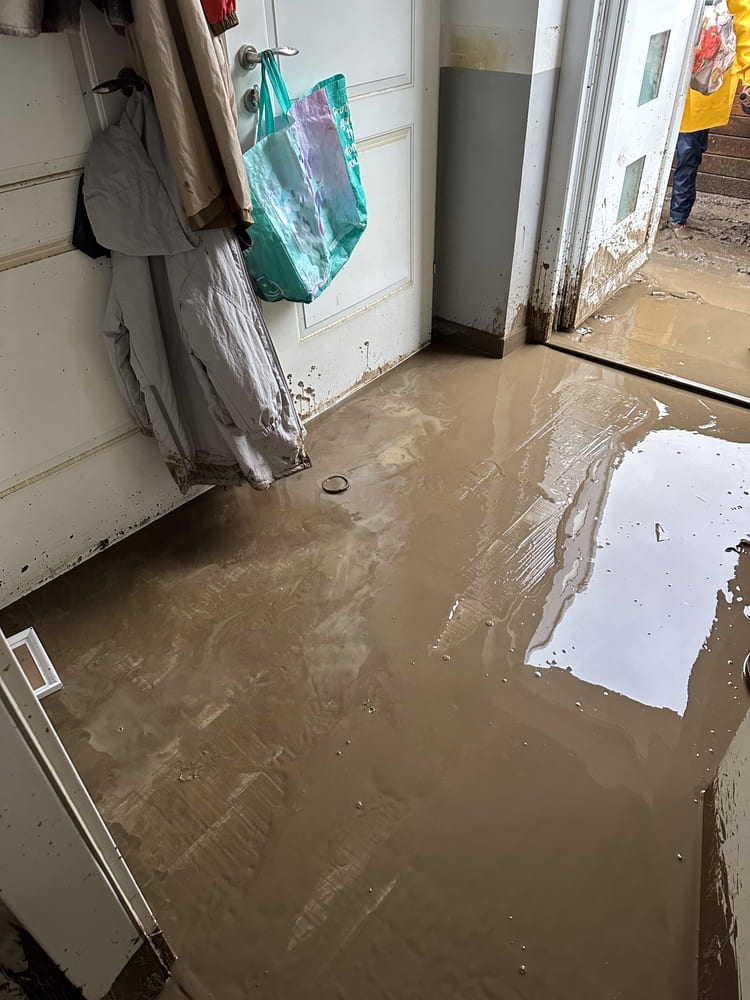
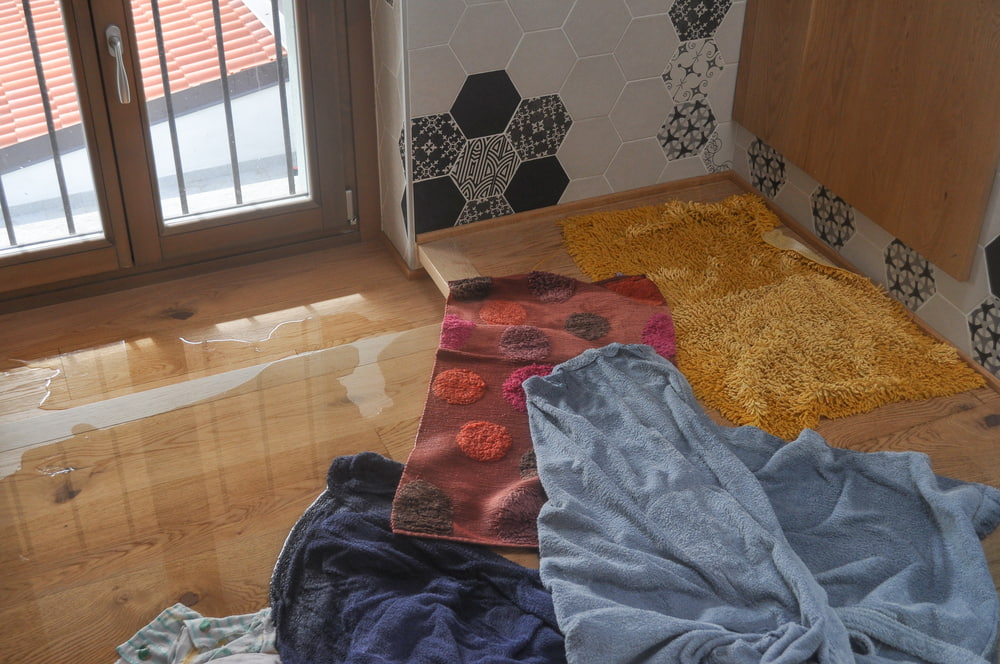
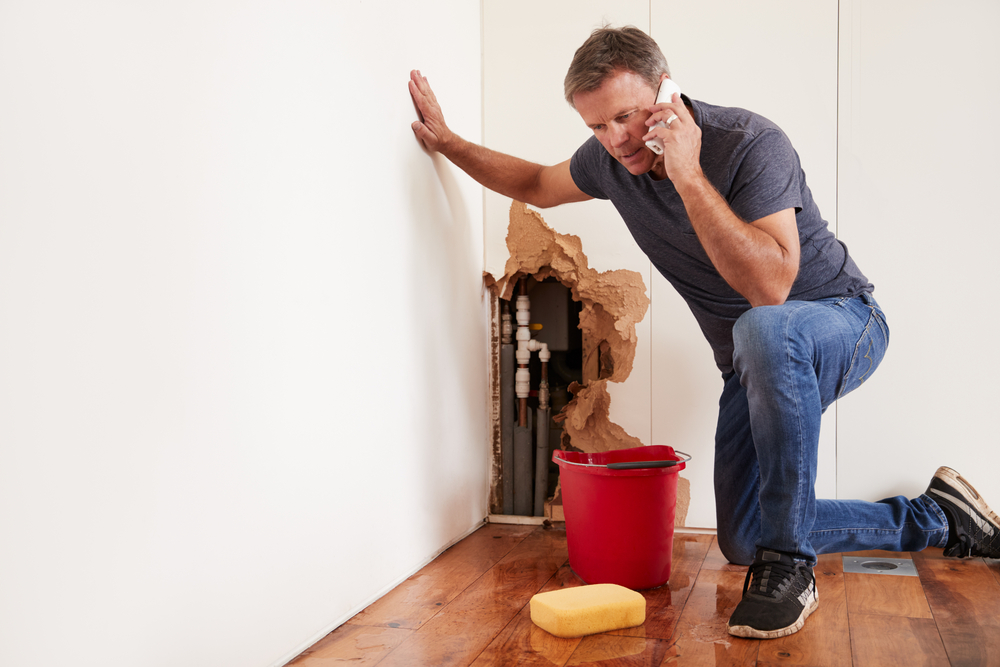
Water damage usually looks straightforward at first. Maybe the floor is wet, a section of drywall is stained, or a leak has left part of the room damp and musty. But what you see on the surface is often only the tip of the iceberg. Left unaddressed, moisture will start moving into subfloors, insulation, wall cavities, and structural materials faster than most homeowners expect. That is why water damage restoration involves much more than simple flood cleanup in Rancho Santa Fe.
A proper restoration process is designed to do two things at once: remove the immediate damage and protect the property from ongoing issues. That includes drying, cleaning, monitoring moisture levels, tackling lingering odors, and repairing affected materials so the space can return to a safe, usable condition. When the work is handled by a proven professional, the goal is to make sure hidden moisture, lingering damage, and long-term complications are properly addressed from the get-go.
What is professional water damage restoration?
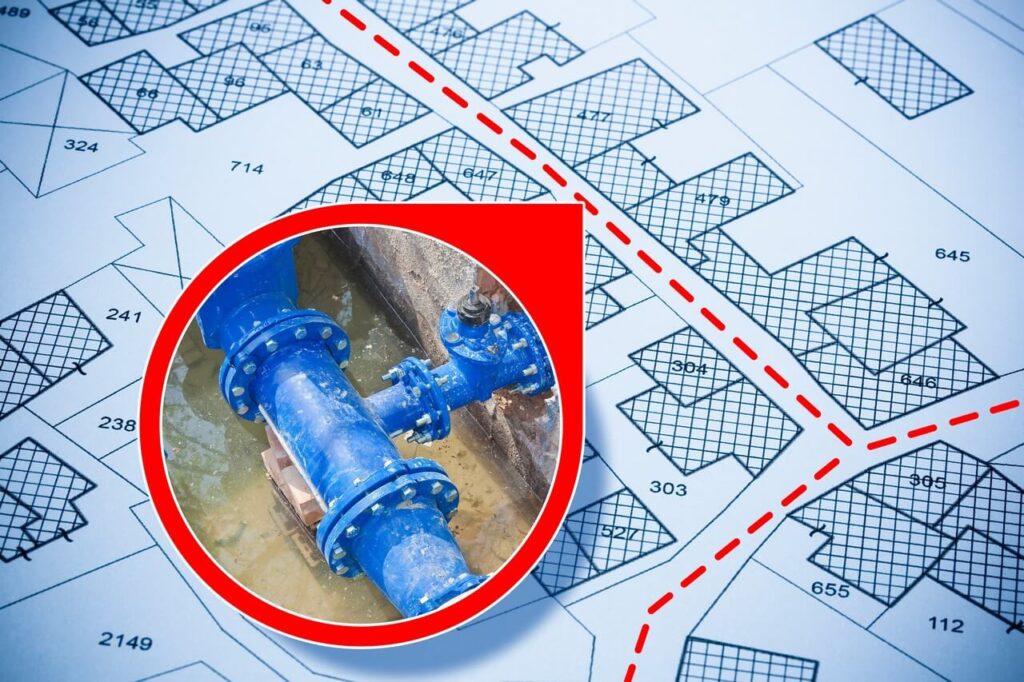
Professional water damage restoration goes beyond mopping up visible water. It is the full process of assessing, drying, cleaning, repairing, and restoring a property after water intrusion. The immediate task is to shut off the water supply at the source to prevent further damage before focusing on the mitigation and restoration phases. After that, it’s important to determine how far the moisture has traveled and start returning the affected area to a stable condition.
The cleanup process can vary depending on the source of the water, how long it has been sitting, and which materials were affected, but the main steps usually include the following:
Inspection & damage assessment
The first step is figuring out how far the water has spread. Restoration crews check floors, walls, ceilings, baseboards, and nearby materials to understand the full scope of the problem.
Moisture detection
Professionals use moisture meters, thermal imaging equipment, and other equipment to find water that may be trapped behind walls, under flooring, or inside structural materials.
Water extraction
If standing water is present, it needs to be removed as quickly as possible. Extraction equipment helps pull water out fast, which reduces further absorption into surrounding materials.
Drying & dehumidification
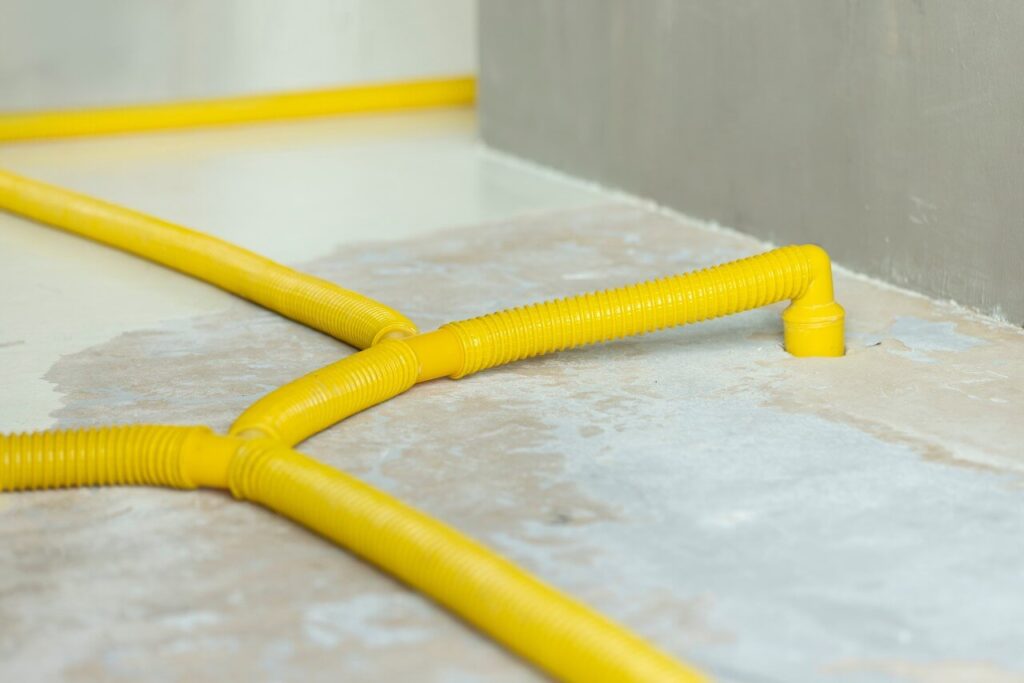
Once excess water is removed, industrial air movers and dehumidifiers are used to dry the area thoroughly. This part of the process is critical because surfaces can feel dry before the structure actually is.
Removal of damaged materials when needed
Some materials can be saved, while others cannot. Saturated drywall, insulation, flooring, or cabinetry may need to be removed if they have absorbed too much water or started to break down.
Cleaning & sanitizing
Depending on the water source, cleaning may be a major part of the job. Even clean-water incidents can leave behind residue, while gray water or contaminated water requires more careful sanitation.
Odor control
Damp materials can create a lingering smell if moisture is not fully removed. Restoration work often includes deodorizing the area so the home does not continue to smell stale or musty.
Monitoring the drying process
Drying is not guesswork. Restoration teams usually check moisture readings throughout the process to confirm materials are actually drying at the right pace.
Repairs & rebuild work
Once the affected area is dry and stable, repairs begin. This may include replacing drywall, reinstalling flooring, repainting walls, or restoring trim and finishes.
How long does water damage restoration take?
Water damage restoration timelines can vary quite a bit depending on the size of the affected area, the source of the water, and how far the moisture has spread. In many cases, drying alone takes several days, while full restoration can take anywhere from a few days to a few weeks. Smaller clean-water incidents with limited damage usually move faster.
More serious situations involving contaminated water, saturated materials, or structural repairs take longer. The rebuild stage often extends the timeline because replacing drywall, flooring, trim, or cabinetry adds another layer of work. The most important thing is not rushing the process.
Who should I call for dependable flood cleanup in Rancho Santa Fe, CA?
No matter where you’re located in Rancho Santa Fe, Risk Free Serv is your reputable and reliable team of professionals for all issues involving water. From floods and leaks to mold cleanup, emergency plumbing, and all types of maintenance tasks, we’re your go-to pros when the destructive power of water disrupts your residential comfort.
From emergency tips on the crucial first 24 hours after water damage and post-flood home cleanups to guide you on recognizing the early warning signs in your home, we can help you navigate each phase of water damage in your home. Just reach out to us without delay!