
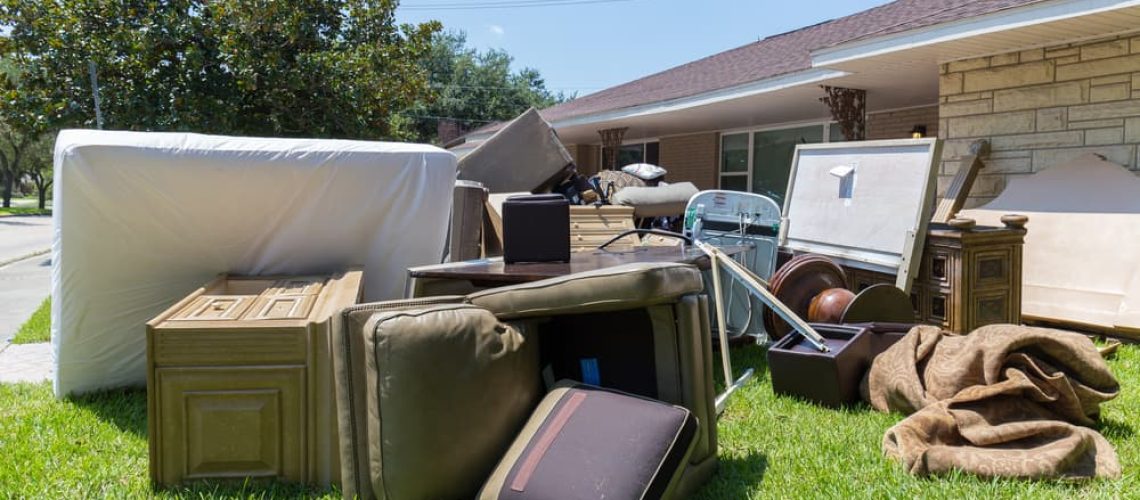
- Hidden moisture can stay behind walls, floors, and insulation after a flood.
- Stains, discoloration, and peeling surfaces often signal deeper water damage.
- Warped floors, swollen trim, and soft drywall can mean materials absorbed water.
- Musty odors and mold growth often point to trapped moisture that was missed.
- Floodwater from outside can contaminate materials, even when they look fine.
After flood damage in Rancho Santa Fe, most homeowners usually focus first on the most obvious issues. Standing water, soaked carpet, ruined furniture, and mud left behind are hard to miss. The bigger problem is that water damage often does not stop at what you can see. Water can get behind walls, under flooring, into insulation, and around structural materials long before the surface looks dry again. That hidden moisture can lead to swelling, staining, odor, mold growth, and ongoing deterioration if it is not addressed properly.
That is why comprehensive flood damage remediation includes much more than just fixing what looks damaged. It is about identifying how far the water reached, what materials were affected, and whether the home is actually drying out the way it should. Some signs show up right away, while others become noticeable days later. Knowing what to watch for can help you catch deeper issues early and avoid more costly repairs down the line, so let’s take a deeper look.
What are the signs of flood damage in a house?
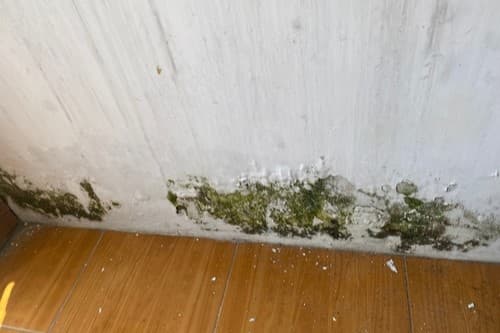
Consequences of flood damage can show up in different ways depending on how much water entered the home, how long it sat, and which materials were affected. Some telltale signs are obvious, while others are easier to miss until the damage starts spreading.
Water stains & discoloration
One of the clearest signs of flood damage is visible staining. You may notice brown, yellow, or dark marks on drywall, ceilings, baseboards, or lower sections of walls. These stains often show where water traveled or where moisture stayed trapped after the flood. Discoloration can also appear on flooring, trim, cabinetry, and other porous materials.
Warped or swollen materials
Floodwater often causes building materials to expand, soften, or lose their shape. Wood floors may cup or buckle. Laminate can lift at the edges. Baseboards may swell, and cabinets can start to look misshapen or uneven. If materials are changing shape, separating, or no longer sitting flush, that is a strong sign that flood damage repair may be needed.
Musty odor that does not go away
A lingering musty smell is one of the biggest red flags after a flood. Even when visible water is gone, trapped moisture can remain inside walls, under floors, or in insulation. That damp environment often creates the kind of odor homeowners notice first before they spot actual mold or material damage.
Soft spots, peeling, or bubbling surfaces
Flood damage often weakens materials from the inside out. Paint may begin to bubble or peel. Drywall tape can loosen. Flooring may feel soft, spongy, or unstable underfoot. In some cases, sections of the wall may feel unusually cool or damp compared to surrounding areas.
Mold growth or visible mildew
Mold can begin growing quickly when flood-damaged materials stay damp. You may see black, green, white, or gray spotting on walls, trim, flooring edges, or stored items. In other cases, mildew may show up as a lighter surface film with a persistent damp smell. If mold appears after a flood, it usually points to a moisture problem that was never fully resolved.
Damaged flooring or carpet
Flooring often takes the hardest hit after a flood. Carpet may stay damp, smell bad, or separate from the tack strip. Wood flooring can warp or lift. Vinyl and laminate may trap water underneath, even if the top looks fine. Subfloor damage is also common. If floors feel uneven, soft, or unstable after a flood, the problem may extend below the finished surface.
Cracked, loose, or damaged drywall
Drywall is highly vulnerable to floodwater. Once saturated, it can weaken fast and may not dry evenly. You might notice cracks, crumbling edges, loose texture, or damage along the lower part of the wall. The longer it stays wet, the less likely it is to be salvageable.
How do I know if I need flood damage repair?
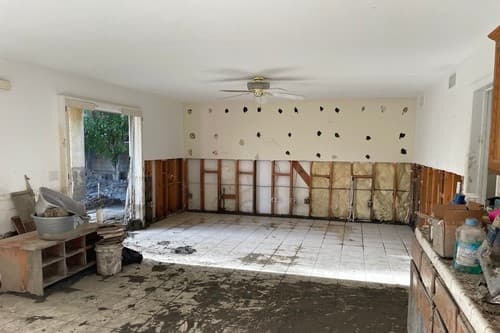
You likely need flood damage repair if water has affected building materials, not just surface items. Cleanup alone is not enough when drywall, flooring, insulation, cabinets, or structural materials have absorbed moisture. Visible signs like staining, swelling, peeling, odor, or mold usually mean the home needs more than basic drying.
You should also take the situation seriously if the floodwater came from outside. Stormwater can carry contaminants that make certain materials unsafe to keep, even if they look recoverable.
Who should I call to help me deal with flood damage in Rancho Santa Fe, CA?
As the leading team of emergency plumbers in the North County region, Risk Free Serv is here to help you catch the warning signs before they turn into bigger repairs. If you’re having trouble with warped flooring, musty smell, stained walls, or soft drywall, we have the advanced tools and the latest in cleanup technologies to help you get rid of water and moisture in an efficient and effective way. Don’t wait for the whole day to pass before calling for help. The sooner you turn to our pros, the greater the chances are that we’ll be able to restore most of your possessions to their original stateand prevent further damage from setting in.
One thing you shouldn’t do is try DIYing post-flood cleanup, especially when water may have spread farther than it first appears. We have the equipment, an eye for detail, and the experience to know what should be done first and how. To make sure that your home is truly dry, safe, and ready to move forward, call us ASAP!