
Key Takeaways
- Sewage backups can expose your home to harmful contaminants and hidden moisture.
- Stop using plumbing fixtures until the source of the backup is identified.
- Keep people and pets away from areas affected by contaminated wastewater.
- Professional cleanup removes sewage, treats surfaces, and dries hidden moisture.
- Fast sewage removal helps limit structural damage and conditions for mold growth.
A toilet that suddenly overflows is one thing. Wastewater coming back through a toilet, shower, tub, or floor drain is a different kind of emergency. A sewage backup can spread contaminated water across flooring and into drywall, cabinets, baseboards, and other materials faster than most homeowners expect. It can also leave moisture behind in places you cannot see once the standing water is gone.
When this happens, the priority is not grabbing a mop and trying to get the room back to normal. You need to limit exposure, stop more wastewater from spreading throughout the home, and determine how far the contamination has traveled. Below, we explain what to do during a residential wastewater emergency, which immediate steps you can take safely, and what professional sewage removal in Encinitas usually involves.
Is a residential wastewater backup dangerous?
Yes, a residential wastewater backup can expose you to contaminated water, microorganisms, debris, and other hazards, so you should treat the affected area as unsafe. Wastewater may contain human waste and disease-causing microorganisms, along with chemicals and other contaminants that entered the sewer system. The CDC advises avoiding contact with water that may contain sewage because exposure can contribute to gastrointestinal illness, skin problems, wound infections, and other health concerns.
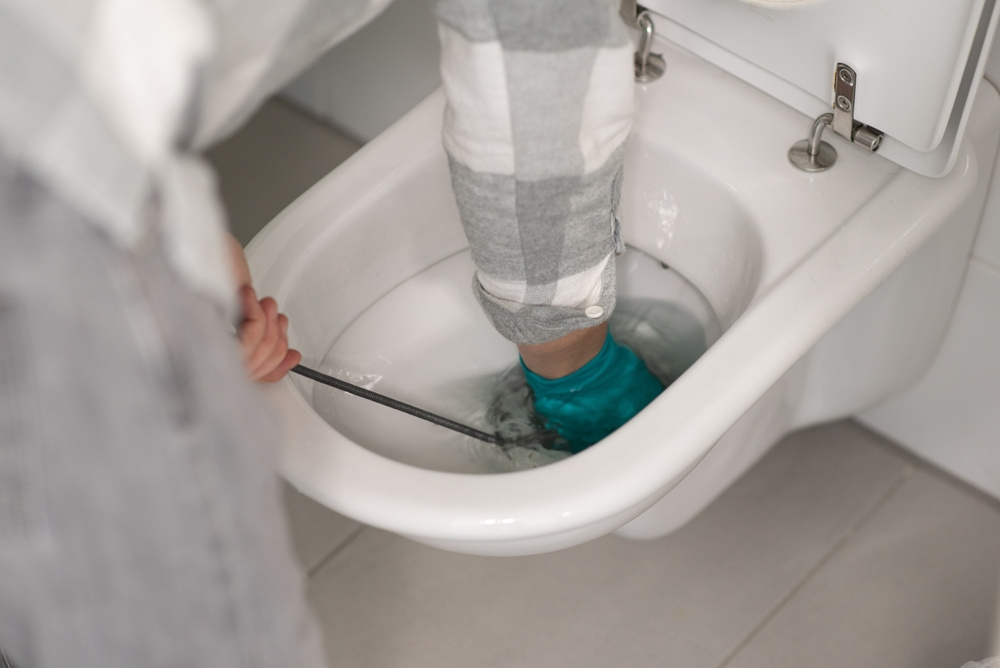
The water itself is not the only concern. Once sewage spreads across a room, it will soak into porous building materials and move beneath finished flooring or behind baseboards. Standing water near outlets, appliances, extension cords, or other electrical components also creates an additional safety risk. That is why we recommend keeping children, pets, and other household members away from the affected space until the source has been controlled and the area has been properly cleaned.
What should you do first if wastewater backs up into your home?
Your first priority is to keep people away from the affected area and prevent additional wastewater from entering the home. A backup can start with a blocked household drain, damaged sewer lateral, septic problem, or an issue farther down the sewer system, so the exact source may not be obvious right away. Until the source is identified and controlled, avoid doing anything that sends more water into your drains.
Take these steps first:
- Stop using plumbing fixtures. Do not flush toilets, take showers, run faucets, use the dishwasher, or start the washing machine.
- Keep everyone out of the contaminated area. Close the room off when possible and keep children and pets well away from wastewater.
- Shut off a fixture’s water supply if appropriate. If an overflowing toilet or individual fixture is contributing clean supply water to the problem, turning off the valve can help stop additional flow.
- Watch for electrical hazards. If standing water has reached outlets, appliances, or electrical equipment, do not walk through the water to reach a breaker. The CDC recommends shutting power off only when you can reach the main electrical controls from a dry location; otherwise, contact an electrician.
- Take photos or videos of the damage. If you can document the damage without stepping into the affected area, it could prove useful for insurance conversations that follow.
- Call our experienced sewer professionals. The source of the backup has to be corrected before cleanup can move forward safely.
- Create a restoration plan with our team. Once wastewater has entered finished living space, professional extraction, contamination control, cleaning, and drying may be necessary.
Can you clean up a sewage backup yourself?
In most cases, sewage cleanup is not a safe DIY project because removing visible wastewater does not necessarily remove the contamination or moisture it leaves behind. A mop and household cleaner will only make your floor look better while wastewater remains beneath flooring, behind trim, inside drywall, or in other absorbent materials.
The EPA specifically recommends bringing in a professional with experience restoring buildings damaged by sewage or other contaminated water. Protective equipment, safe wastewater removal, proper disposal practices, cleaning procedures, and structural drying all matter during a sewage loss. We also need to determine which materials can actually be cleaned and which have absorbed too much contamination to remain in place.
Avoid using a regular vacuum or shop vacuum to pick up sewage, and do not start combining household disinfectants in an attempt to make them stronger. Mixing bleach with products containing ammonia, for example, can create dangerous fumes.
What happens during professional sewage cleanup?
Our sewage cleanup service involves controlling the source, removing contaminated water and materials, cleaning affected surfaces, and thoroughly drying the structure. The exact process changes with the size of the backup, the materials involved, and how far the wastewater traveled.
We inspect the affected area & trace the spread
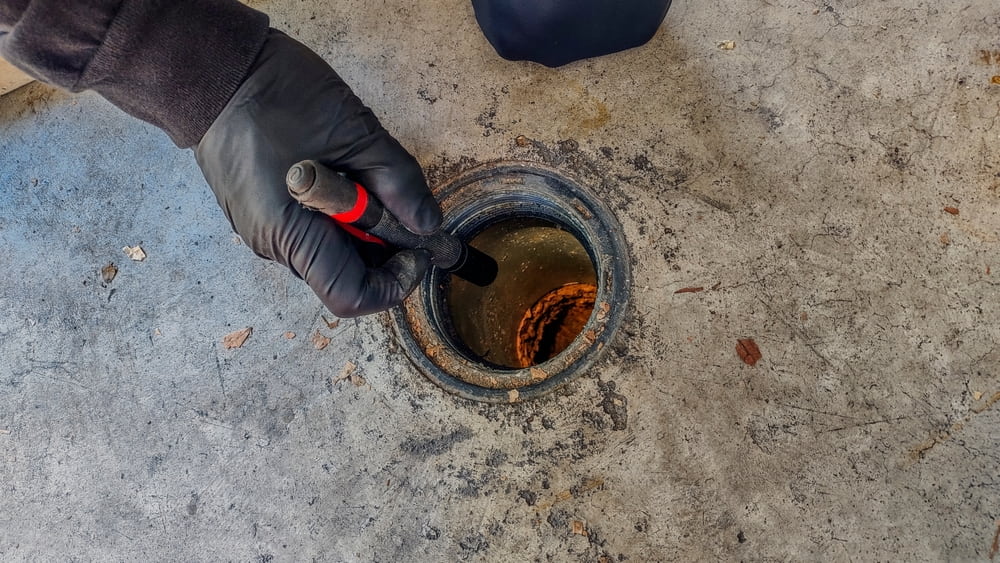
Before cleanup begins, we need to understand where the wastewater is pooling. What you see on the surface does not always show the full extent of the damage.
We inspect surrounding flooring, walls, baseboards, cabinetry, and other nearby materials for signs of moisture and contamination. This helps us establish the work area and determine what can stay, what requires cleaning, and what we need to remove.
We remove wastewater & affected materials
Once the source is under control, the next step is removing standing wastewater and clearing materials that cannot be safely restored.
Porous materials deserve particular attention because liquids can penetrate beneath the surface. Carpet padding, insulation, sections of drywall, or other absorbent materials may require removal depending on their exposure and condition.
We clean, disinfect & dry the structure
After extraction and necessary material removal, we clean and treat the exposed areas before moving into structural drying. Drying matters even after the sewage itself is gone. Moisture trapped in building materials will continue causing damage and create conditions that support mold growth.
The EPA recommends addressing water-damaged materials promptly and notes that drying wet areas within 24 to 48 hours helps limit mold growth. Air movement, dehumidification, and moisture monitoring equipment allow us to dry affected areas more methodically than simply leaving windows open or placing a household fan in the room.
Who specializes in prompt & thorough sewage removal in Encinitas, CA?
If wastewater has backed up into your home, Risk Free Serv is ready to help you contain the damage, remove contaminated water, dry affected materials, and restore the space safely. We help homeowners throughout Encinitas, from Moonlight Beach to inland areas, and we can guide you through each stage of the restoration process.
For more guidance, read about hidden damage after burst pipes, how bathroom leaks spread mold, and when flood damage needs structural repairs to better understand what can happen after water moves beyond the visible area.
Contact our team to schedule an inspection and get started on restoring your home comfort right away. Call us ASAP!