If you’ve ever had a moisture-related issue, you know that the water itself isn’t always the biggest concern. Instead, the mold that frequently appears in the wake of water damage is what can really wreak havoc on various parts of your house, including ceilings, floors, and furniture.
Thankfully, top-quality University City, CA, water damage restoration services offer a way out, but how can these professionals help you? You’re about to find out! Keep reading for the basics of mold removal and how they’re used to keep your residence or premises mold-free for the long term..
What is the difference between mold removal and mold remediation?
Whether you’re dealing with an obvious infestation or spores hiding behind walls and other crevices, your first move should be to contact an expert. Once they arrive, they’ll typically either provide removal or remediation, but what’s the difference between the two?
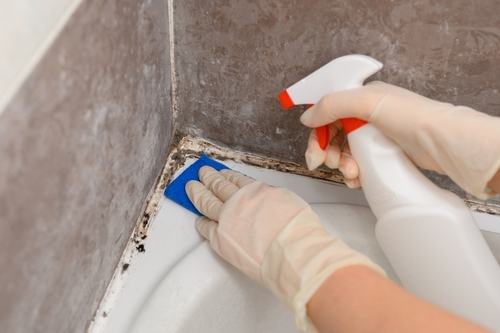
On the one hand, mold removal is the process of eliminating the fungus from a surface. It’s an essential part of pretty much any mold clean-up project, but it’s not comprehensive. In other words, it only involves removing the mold. The affected materials remain as is, no matter their condition.
On the other hand, mold remediation is much more in-depth. It includes a number of procedures that help curb mold growth:
- Removal
- Demolition
- Disinfection or sanitization
- Containment
- Cleaning
Therefore, apart from eliminating mold, remediation specialists also treat the affected materials. They either throw them away or repair them, depending on the severity of the infestation.
Additionally, a remediation professional understands that removing mold completely is impossible. Tiny spores inevitably remain airborne, but experts take the above steps to control their spreads and render them virtually harmless.
What permanently kills mold?
If you have a compromised immune system or are otherwise sensitive to fungi, you need a permanent solution to the infestation. The sooner you act, the less likely you are to immediately experience the health effects of the microorganism. Plus, you’ll be able to prevent electrocution and other risks associated with prolonged exposure.
So, what can permanently kill molds? As previously discussed, you can’t eliminate it for good, but a number of substances can curb the growth:
- Ammonia
- Bleach
- Vinegar
- Borax
- Baking soda
- Hydrogen peroxide
- Detergent
Keep in mind that treating the fungus only isn’t enough. Unless you address the source of the infestation, more and more spores will come back and cause recurring infestations. In general, you may have a mold problem if you’re dealing with at least one of the following issues:
- Burst pipes
- Poor door and window weatherstripping
- Low-quality insulation
- Roof holes and gaps
- Settling foundation
Each scenario requires a special approach. For instance, you may need to install new plumbing or update your windows and doors. To ensure the job is done correctly, get in touch with a trained contractor.
Can I remove a mold myself?
Although DIY removals and remediation are possible, you’re much better off leaving the job to a mold restoration provider. They have the skills and tools to do the work safely and address the source of the infestation. They’re also experienced enough to tell if the affected materials can be salvaged, which can save you a lot of money.

Ready to book University City, CA, water damage restoration services?
Even if you have the sturdiest University City household, mold infestations are sometimes impossible. You might have had a minor plumbing accident that’s now turned into a full-scale disaster. If that’s the case, you’ll need to put your outdoor yoga sessions at Marian Bear Memorial Park on hold and address the issue.
Risk Free Serv is here to help you every step of the way. We are the second-to-none mold remediation provider in the area. With years of experience in tackling infestations of all sizes, we have what it takes to rid your home of mold-related concerns. Get in touch with us at any time of the day. We’ll go above and beyond to make your place good as new.