Uncategorized

The 101s of Water Leak Detection

Water leaks can cause significant damage to your home if left undetected, leading to costly repairs and skyrocketing water bills. While obvious leaks like dripping faucets or pooling water are easy to spot, silent leaks are much harder to detect. These hidden leaks can occur behind walls, under floors, or even underground, silently wreaking havoc. Understanding the basics of water leak detection can save you time, money, and stress, helping you address issues before they spiral out of control.

In this guide, experts in water leak detection services in Del Mar, CA outline how to identify silent water leaks and the most common places where leaks occur. With a proactive approach and the right knowledge, you can protect your property from water damage and maintain its structural integrity.

How do I find a silent water leak?

Silent water leaks are often the most troublesome because they go unnoticed until significant damage occurs. Detecting these leaks requires a combination of observation, tools, and sometimes professional assistance.

1. Monitor your water bill

A sudden spike in your water bill without a corresponding increase in water usage could be a sign of a hidden leak. Compare your current bill to previous months and investigate any unusual changes.

2. Check your water meter

Turn off all water-using appliances and faucets in your home, then check your water meter. If the meter continues to run, it’s likely there’s a leak somewhere in your plumbing system.

3. Look for signs of moisture

Inspect your walls, ceilings, and floors for discoloration, bubbling paint, or warped surfaces. These can indicate water seeping through from a hidden leak.

4. Listen for unusual sounds

Even silent leaks can make subtle noises. Listen for faint dripping, hissing, or the sound of running water when all fixtures are off.

5. Test your toilet

Toilets are common culprits for silent leaks. Add a few drops of food coloring to the tank and wait 15-20 minutes. If the color appears in the bowl without flushing, there’s a leak.

6. Call a professional

If you suspect a silent leak but can’t locate it, a professional plumber or leak detection service has the expertise and advanced equipment to identify and repair the issue efficiently.

Where is the most common place for a water leak

Where is the most common place for a water leak?

While water leaks can occur anywhere in your plumbing system, certain areas are more prone to issues due to wear, pressure, or environmental factors.

1. Faucets & fixtures

Dripping faucets and leaky showerheads are some of the most common and noticeable sources of water leaks. These are usually caused by worn-out washers or faulty seals.

2. Toilets

Silent leaks in toilets often occur when the flapper valve doesn’t seal properly. Over time, this can lead to significant water wastage.

3. Pipes & joints

Pipes under sinks, behind walls, or in basements are susceptible to leaks due to corrosion, shifting, or high water pressure. Joint connections are particularly vulnerable.

4. Water heaters

A leaking water heater can result in both water damage and higher energy bills. Check for moisture around the base of the unit or unusual sounds.

5. Appliances

Washing machines, dishwashers, and refrigerators with water dispensers or ice makers can develop leaks. Inspect hoses and connections regularly for signs of wear or damage.

6. Basements & foundations

Water can seep into basements through cracks in the foundation or poor drainage. Look for damp walls, mold growth, or musty odors.

water leak detection services in Del Mar, CA

Who specializes in water leak detection services in Del Mar, CA & nearby areas?

Detecting water leaks can prove tricky but why even bother when pros have the tech and the know-how to do it much more efficiently and thoroughly? With a skilled team of pros backed by years of on-field experience, proven techniques, and the latest in detection technology, Risk Free Serv will locate the source of your leak in record time and eliminate the risks.

Want to deal with sewage backups? Check! Need professional help after a slab leak? Check! Looking for floor protection solutions after a flood? Check! All you have to do is pick up the phone, tell us what is the emergency, and you’re free to unwind at Seagrove Park and forget about your woes while we’re solving the problem. Our team is ready to react at a moment’s notice so call us ASAP!

Slab Leaks: All You Need to Know

Like most homeowners, you’ve probably had your fair share of leaks around the house, such as those coming from the toilet or fridge. As frustrating as these can be, they’re nothing compared to an ominous leak that may be lurking from underneath your property: slab leaks. What makes them so dangerous, and how do you deal with them?

The following article will tell you just that. Read on to learn everything you need to know about slab leaks and how comprehensive slab leak detection services in Del Mar, CA, can help you avoid numerous risks these leaks pose to your safety and well-being. Read on!

How common is a slab leak?

Slab leaks are relatively common. They typically occur in areas prone to earthquakes, soil erosions, and other shifts that can crack your foundation.

There are many other causes of slab leaks:

  • Strong water pressure
  • Poorly wrapped pipes
  • Acidic water
  • Tree root intrusion

Do slab leaks smell?

Yes, slab leaks smell if they’re not addressed on time. Initially, a slab leak may not have an overpowering smell (unlike when there’s a sewage backup in your house), but you will notice powerful odors shortly after the incident. This is especially the case if a slab leak causes a mold infestation, which can not only damage your property but may also pose a severe health hazard for the occupants.

How urgent is a slab leak?

Like many other types of leaks, a slab leak is urgent. In fact, it’s considered one the most dangerous leaks you can have in your house because it can have many serious consequences if unaddressed:

Compromised structural integrity 

The concrete slab serves as the foundation of your house. So, any cracks that occur here weaken the structural stability of your house, and in severe cases, can even make your home collapse if left unchecked.

Not only that, but the damage can also spread to the rest of your property. If it’s a massive leak, septic waste can seep into the yard, ruining your landscaping and resulting in expensive repairs.

Soaked carpets and flooring

If there’s a hidden slab leak under your home, the water can only travel upward. Eventually, it’ll reach the surface and dampen your hardwood floors and carpets along the way. Tiles are also in harm’s way because they can easily shift or crack due to excessive moisture, especially if they were installed incorrectly.

Health problems 

As previously indicated, a slab leak can lead to large amounts of moisture throughout your house. From there, it only takes mold 24-48 hours to grow on the affected surfaces. The longer you’re exposed, the more likely you are to have various health problems if you’re sensitive to the fungus:

  • Wheezing
  • Coughing and sneezing
  • Itchy eyes
  • Difficulty breathing
  • Headaches

As soon as you notice any of these symptoms and can’t figure out the culprit, get in touch with a slab detection company. Mold growth due to a slab leak may very well be the culprit.

How urgent is a slab leak

Looking for in-depth slab leak detection services in Del Mar, CA? 

The effects of a slab leak can be remediated, but why risk extensive harm to your home when you can prevent serious damage by reacting on time? All you have to do is contact a trustworthy slab leak detection company, and Risk Free Serv is your best option. 

Contact us if you suspect your slab is leaking, and we’ll use high-grade equipment to perform a thorough investigation. With years of experience under our belt, we have all it takes to recognize even the smallest leaks and keep them from escalating. 

If we pinpoint a leak, we’ll recommend the right way to protect your floors from significant flood damage, avoid widespread mold growth, and ensure a healthier, safer home. Give us a call today after your visit to the San Dieguito Lagoon and book the finest inspection team in Del Mar!

Sewage Backup: Why It Occurs & What to Do About It

A sewage backup is one of the worst crises you can experience as a homeowner. As soon as wastewater starts pouring into your house, it’s essential to react immediately and minimize all the issues associated with sewage backups, such as large-scale structural damage and the associated health risks.

In the article below, you’ll learn how to address a sewer backup safely and immediately. You’ll also find out why backups occur and how a qualified provider of water damage repair services in Del Mar, CA, can help you mitigate the incident. Read on to learn more.

How do I stop sewage from backing up in my house?

A sewage backup is a serious plumbing issue. Like the wide variety of leaks you may face in your house (e.g., a slab leak that needs to be addressed urgently), you want to react as soon as possible. The first step is to stop sewage from backing up, and instead of trying to do so yourself, let a certified plumber take care of the work.

Once they arrive, they’ll determine and fix the cause of the problem. Below are several potential culprits:

Damaged or clogged sewer pipe

Your sewer pipes might be damaged for several reasons, such as earth movements. Sinkholes and earthquakes make your lines break or crack, resulting in a total or partial collapse that causes sewage backup.

In this case, your only option is to have your pipes replaced. Contact a plumber who knows how to remove old piping and install brand-new, more durable systems.

Likewise, many items can clog your sewer pipes:

  • Soap buildup
  • Hair
  • Grease 

If there’s a major blockage, sewage has nowhere to go but up and into your house. Thankfully, plumbers can use high-quality drain snakes – small boring tools that rotate slowly and push through clogs – to solve the issue quickly. 

Old pipes

If you have outdated plumbing, it can no longer keep up with the demands of a modern household. Cast iron and clay pipes tend to break down and crack, leading to all kinds of problems, including sewage. Patching up an old pipe is only a temporary fix, so don’t take a chance; bring in a trusted plumber who can install a modern system that’s more resilient to backups.

Tree root intrusion

As tree roots grow, they may sometimes run into your home’s pipes. Attracted to the moist environment of your sewer lines, they can puncture the piping and prevent sewage from flowing away from your house.

Once again, hiring a professional plumber is your best bet here because they can remove roots with hydro jetting and perform trenchless sewer line replacement (if possible), to give you a reinforced plumbing system.

How do I clean my house after sewer backup?

Sewage contains dangerous microbes and substances, which is why you shouldn’t clean your house yourself after a backup. Get in touch with a seasoned plumber who can clean and restore your home using tried-and-true methods:

  • Addressing the cause of the backup
  • Removing water from the house
  • Drying the place with industrial dehumidifiers
  • Disinfecting walls, floors, and other affected surfaces
  • Replacing severely damaged areas
How do I stop sewage from backing up in my house

Need top-tier water damage repair services in Del Mar, CA?

Fixing sewage backup isn’t something you should do on your own without proper training and equipment. You want to address the problem correctly the first time around, and the best way to do so is to bring in Risk Free Serv.

Whether you live near Powerhouse Park or elsewhere in Del Mar, give us a call as soon as you notice a backup. and we’ll give you a quick yet thorough emergency service to stop the backup and help prevent future incidents with a variety of methods, such as high-quality plugs.

We’re also available for many other services. For instance, if a recent flood has soaked and damaged your floors and the rest of your property, we’ll provide comprehensive restoration to help return your home to its former glory. Book the finest water damage repair team in the area!

Full Guide to Water System Maintenance

Full Guide to Water System Maintenance

Maintaining a well-functioning water system is essential for the health and safety of your home. Proper care not only ensures clean, reliable water but also helps to prevent costly issues like leaks and clogs. Neglecting routine maintenance can lead to significant problems, including water damage, and for areas where water management is critical due to local climate conditions, it’s crucial to stay on top of inspections and repairs. 

In this guide, we’ll walk you through the steps to keep your water system in optimal condition, helping you avoid the stress and expense of water damage in San Marcos.

How to maintain a water system?

It involves regular inspections, cleaning, and timely repairs. By checking for leaks, replacing worn-out components, and ensuring proper water pressure, you can prevent issues like clogs, corrosion, and water damage, ensuring long-term efficiency and safety. Here’s how:

1. Regular inspection of water supply lines

One of the first steps in water system maintenance is to perform regular inspections of your supply lines. These lines can develop leaks, corrosion, or blockages over time, leading to water waste or even damage to your property. Begin by visually checking exposed pipes for any signs of dampness or corrosion, which could indicate a slow leak. Additionally, check under sinks and in basements where leaks are most likely to occur.

To detect leaks that may not be visible, consider shutting off all water-using appliances and fixtures, then checking your water meter. If the meter continues to run, you may have a hidden leak that requires professional attention.

2. Prevent mineral build-up

Hard water, which contains high levels of minerals such as calcium and magnesium, can lead to the buildup of scale in pipes and appliances. This build-up can decrease water pressure and reduce the efficiency of your system. Installing a water softener is a popular solution, but regular descaling is essential, particularly for water heaters, faucets, and showerheads.

Descaling products or vinegar solutions can be used to clean these components, and for appliances like water heaters, it’s recommended to flush them out at least once a year to remove sediment and scale.

3. Monitor water pressure

Maintaining optimal water pressure is essential for the longevity of your water system. Excessively high pressure can strain pipes, valves, and fixtures, leading to damage over time. On the other hand, low pressure may indicate blockages or leaks. A water pressure gauge can be used to regularly measure the pressure in your system, which should typically range between 40 and 60 psi (pounds per square inch).

If your pressure exceeds 60 psi, installing a pressure-reducing valve can help to prevent strain on your system. For low pressure, it’s important to identify and address the underlying cause, which could range from mineral build-up to faulty fixtures.

4. Maintain water heaters

Water heaters require special attention in system maintenance. Sediment build-up in the tank can lead to inefficiency and reduce the lifespan of the unit. Draining the tank annually will help clear out any accumulated sediment. In addition, check the temperature setting to ensure it’s at a safe level – around 120°F – to prevent scalding and excessive energy use.

It’s also wise to inspect the anode rod inside the water heater, which helps prevent rust. If it’s heavily corroded, it should be replaced to protect the tank from rusting prematurely.

5. Inspect and clean filters

Many water systems include filtration units to ensure water purity. Whether it’s a simple faucet filter or a more complex whole-house filtration system, these filters need regular cleaning or replacement to function correctly. Dirty filters can not only reduce water quality but also strain the entire system, potentially causing blockages or damage.

Refer to the manufacturer’s instructions for how often the filters need to be replaced or cleaned, as this will vary depending on the type of system and your water quality.

6. Winterize outdoor water systems

In colder climates, it’s essential to winterize your outdoor water systems to prevent freezing and bursting pipes. Disconnect hoses from outdoor faucets, drain any water from the system, and shut off valves leading to exterior pipes. Additionally, insulate exposed pipes in unheated areas, such as basements or garages, to reduce the risk of freezing.

For sprinkler systems, make sure to blow out any remaining water to prevent ice from forming in the lines, which can cause damage that is costly to repair.

7. Hire a professional for annual inspections

While regular at-home maintenance can go a long way in preventing issues, an annual inspection by a licensed plumber is still recommended. A professional can detect potential problems that may go unnoticed, such as early signs of corrosion, hidden leaks, or malfunctioning components. Addressing these issues early on can save you from costly repairs in the future.

How to maintain a water system

Where can I find trusted experts in water damage in San Marcos?

When you want to make sure your bathroom is mold-free, discover what main causes of water emergencies are, or find out what you should better not do with mold, reach out to our experts at Risk Free Serv. We apply reliable equipment and proven methods to make sure your property is in optimal condition and safe for you and your family. Whether you’re around Lake San Marcos or elsewhere throughout the area, we’re here to assist. Give us a call today!

How to Keep Mold Away from Your Bathroom

Keeping your bathroom mold-free is essential for a healthy home environment, as mold thrives in damp, humid spaces. Bathrooms, with their constant exposure to moisture, are particularly prone to mold growth if not properly maintained. Mold can cause damage to surfaces and lead to health issues like allergies and respiratory problems. 

Fortunately, with the right preventative measures, you can keep this problem at bay. Whether you’re dealing with a small spot or need professional help, reliable mold remediation in San Marcos can restore your bathroom’s cleanliness and safety. Let’s explore some practical tips to prevent mold from taking hold in your bathroom.

How can I stop mold from growing in my bathroom?

Mold not only looks unsightly but can also pose health risks, particularly for individuals with respiratory issues or allergies. Here are several proactive steps to help you prevent it from appearing in your bathroom:

1. Improve ventilation

Proper ventilation is crucial in preventing mold growth. Bathrooms should ideally have an exhaust fan that vents moisture outside. If your bathroom doesn’t have a fan, consider installing one or opening windows during and after showers to allow steam to escape. Leaving the door slightly ajar while the fan runs can also help improve airflow.

2. Regular cleaning

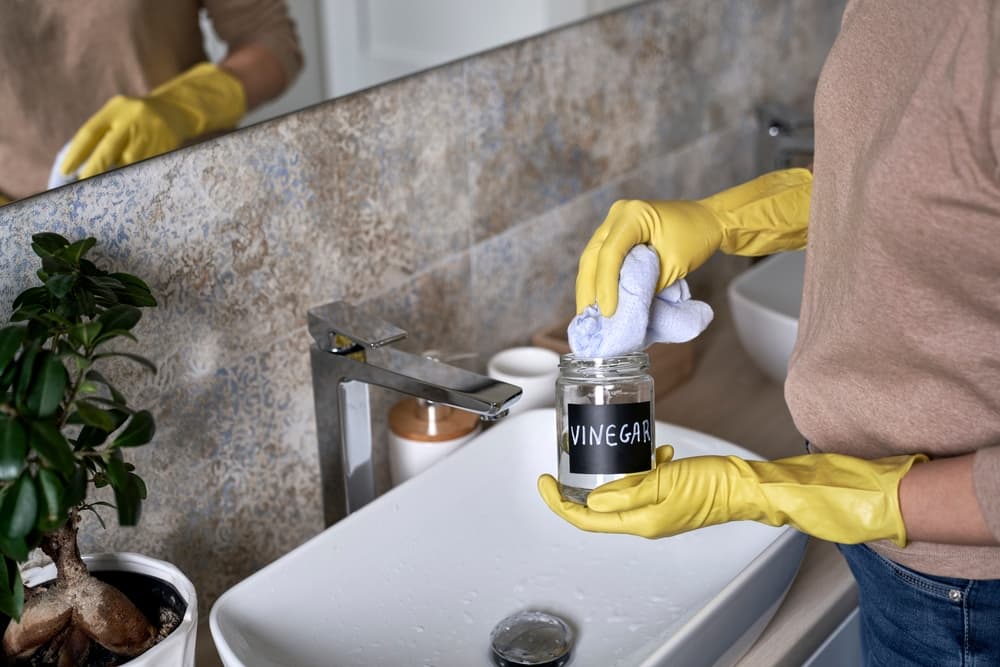
Use a mixture of water and vinegar or a mold-killing solution to wipe down surfaces at least once a week. Pay special attention to corners, grout lines, and areas around the tub and sink where moisture tends to accumulate. Avoid using sponges that can harbor mold; instead, opt for disposable cloths or scrub brushes that can be cleaned or discarded.

3. Seal grout and caulking

Grout and caulking can absorb moisture, making them prime locations for mold growth. Sealing grout with a mold-resistant sealant helps prevent moisture penetration. Similarly, re-caulking around sinks, tubs, and showers every few years will eliminate old, cracked caulk that can trap water and promote mold.

4. Use mold-resistant products

When renovating or updating your bathroom, consider using mold-resistant paints, tiles, and materials. These products are specially formulated to withstand humidity and inhibit mold growth. Look for mold-resistant drywall or cement backer board, particularly in wet areas.

5. Control humidity levels

Keeping humidity levels low is crucial. Use a hygrometer to monitor humidity in your bathroom. Ideally, humidity levels should be between 30% and 50%. A dehumidifier can help maintain these levels, especially in climates with high humidity. Additionally, ensure that any leaks from pipes or fixtures are repaired promptly to prevent water accumulation.

6. Dry wet items promptly

You should thoroughly dry towels, bath mats, and washcloths after use. Hanging wet items in a well-ventilated area can help reduce moisture. Avoid leaving damp items in the bathroom, as they provide an ideal environment for mold to thrive. Consider using a towel rack that allows for maximum air circulation.

7. Monitor indoor plants

While indoor plants can enhance your bathroom’s aesthetic, they can also contribute to humidity levels. If you have plants in your bathroom, ensure they are not overwatered and that their pots have proper drainage. Consider using moisture-absorbing materials in the potting mix to help regulate moisture levels.

8. Inspect regularly

Make it a habit to inspect your bathroom regularly for signs of mold. Look behind appliances, under sinks, and in other hidden areas where moisture might accumulate. Catching mold early can prevent more extensive growth and damage.

mold remediation san marcos

Looking for effective mold remediation in San Marcos?

If you’d like to learn more about the most common causes of water emergencies, you’re looking to avoid any mistakes when dealing with mold, or you want to secure proper maintenance for your water system, Risk Free Serv is your dedicated team, ready to provide you with premium-quality service that keeps your home safe. Whether you need us in San Elijo Hills or in another nearby neighborhood, you can count on our prompt assistance. Call today!

6 Main Causes of Water Emergencies in a Residential Setting

Water emergencies in a residential setting can be both unexpected and devastating, causing significant damage to your home and personal belongings. Whether it’s a slow leak that has gone unnoticed or a sudden flood from a burst pipe, the consequences can be severe and costly to repair. Understanding the main causes of these water emergencies is crucial for homeowners who want to protect their properties and deal with issues quickly to prevent potential disasters

By identifying common sources of water damage, such as plumbing failures, appliance malfunctions, and severe weather events, you can take proactive measures to safeguard your home. Today’s post explores the primary causes of water emergencies in residential settings providing you with the knowledge needed to avoid these situations. Proper maintenance, regular inspections, and quick action by your skilled emergency plumber in San Marcos are key to ensuring your home remains safe and dry.

What is the number one cause of water damage in a home?

Water emergencies in residential settings can stem from various sources, so it’s pretty hard to pinpoint one problem as the number one cause. However, understanding the main causes, from burst pipes to severe weather events, is crucial for preventing these incidents and protecting your home. Let’s delve deeper and see who are the main culprits when it comes to water-related hazards.

1. Burst pipes

One of the most common causes of water emergencies in residential settings is burst pipes. These can occur for a variety of reasons, including freezing temperatures, old age, or pressure buildup within the plumbing system. A burst pipe can release a substantial amount of water in a short time, leading to flooding, structural damage, and costly repairs.

2. Leaking appliances

Household appliances like washing machines, dishwashers, and water heaters are integral to daily life but can also be a significant source of water emergencies. Over time, hoses and seals can deteriorate, leading to leaks. A small, unnoticed leak can gradually cause significant damage, especially if it goes undetected for an extended period. In more severe cases, a sudden failure in an appliance can result in large amounts of water spilling into your home.

3. Clogged drains & toilets

Clogged drains and toilets are another leading cause of water emergencies in homes. When a drain or toilet becomes blocked, water can back up and overflow, causing immediate flooding. Common culprits include hair, grease, food particles, and foreign objects flushed down the toilet. In addition to the mess, overflowing water can damage floors, walls, and even the structural integrity of your home.

4. Roof leaks

Roof leaks can lead to significant water damage, especially during heavy rainstorms. These leaks often start small and go unnoticed until they cause visible damage, such as water stains on ceilings or walls. Over time, even a minor roof leak can result in mold growth, rotting wood, and compromised structural integrity. Common causes of roof leaks include damaged shingles, poor installation, and weather-related wear and tear.

5. Foundation cracks

Foundation cracks can allow water to seep into your home, particularly during heavy rains or when the ground is saturated. These cracks may develop due to the natural settling of the house, poor construction, or soil movement. Water entering through foundation cracks can lead to basement flooding, mold growth, and damage to the structural integrity of your home. 

6. Severe weather events

Severe weather events such as hurricanes, heavy rainstorms, and flash floods are significant causes of water emergencies in residential areas. These events can overwhelm drainage systems, leading to flooding and water damage. Homes in flood-prone areas are particularly at risk, but even homes outside these zones can experience water emergencies during extreme weather conditions.

reliable emergency plumber in San Marcos, CA

Who should I call when I need a reliable emergency plumber in San Marcos, CA & the vicinity?

If a water-related emergency has put you and your loved ones in a tight spot, there is one team that is ready to pounce on a moment’s notice and come to your rescue. With Risk Free Serv at your beck and call, you can count on prompt reaction times, knowledgeable technicians who’ve seen it all and come out on top, and high-end equipment to deal with all emergencies, big and small.

Whether you’re looking for guidance on what not to do in case of mold growth, how to stop mold from invading your bathroom, or what you should do to ensure that your key water systems stay smooth-flowing, give us a call and we’ll furnish you with all the answers you’re looking for.

While the situation may look catastrophic right now, just drop by Double Peak Park and we’ll do our best to minimize the problems and welcome you in a dry and comfy home. Reach out to us today!