Uncategorized

How to Keep Mold Away from Your Bathroom

Keeping your bathroom mold-free is essential for a healthy home environment, as mold thrives in damp, humid spaces. Bathrooms, with their constant exposure to moisture, are particularly prone to mold growth if not properly maintained. Mold can cause damage to surfaces and lead to health issues like allergies and respiratory problems. 

Fortunately, with the right preventative measures, you can keep this problem at bay. Whether you’re dealing with a small spot or need professional help, reliable mold remediation in San Marcos can restore your bathroom’s cleanliness and safety. Let’s explore some practical tips to prevent mold from taking hold in your bathroom.

How can I stop mold from growing in my bathroom?

Mold not only looks unsightly but can also pose health risks, particularly for individuals with respiratory issues or allergies. Here are several proactive steps to help you prevent it from appearing in your bathroom:

1. Improve ventilation

Proper ventilation is crucial in preventing mold growth. Bathrooms should ideally have an exhaust fan that vents moisture outside. If your bathroom doesn’t have a fan, consider installing one or opening windows during and after showers to allow steam to escape. Leaving the door slightly ajar while the fan runs can also help improve airflow.

2. Regular cleaning

Use a mixture of water and vinegar or a mold-killing solution to wipe down surfaces at least once a week. Pay special attention to corners, grout lines, and areas around the tub and sink where moisture tends to accumulate. Avoid using sponges that can harbor mold; instead, opt for disposable cloths or scrub brushes that can be cleaned or discarded.

3. Seal grout and caulking

Grout and caulking can absorb moisture, making them prime locations for mold growth. Sealing grout with a mold-resistant sealant helps prevent moisture penetration. Similarly, re-caulking around sinks, tubs, and showers every few years will eliminate old, cracked caulk that can trap water and promote mold.

4. Use mold-resistant products

When renovating or updating your bathroom, consider using mold-resistant paints, tiles, and materials. These products are specially formulated to withstand humidity and inhibit mold growth. Look for mold-resistant drywall or cement backer board, particularly in wet areas.

5. Control humidity levels

Keeping humidity levels low is crucial. Use a hygrometer to monitor humidity in your bathroom. Ideally, humidity levels should be between 30% and 50%. A dehumidifier can help maintain these levels, especially in climates with high humidity. Additionally, ensure that any leaks from pipes or fixtures are repaired promptly to prevent water accumulation.

6. Dry wet items promptly

You should thoroughly dry towels, bath mats, and washcloths after use. Hanging wet items in a well-ventilated area can help reduce moisture. Avoid leaving damp items in the bathroom, as they provide an ideal environment for mold to thrive. Consider using a towel rack that allows for maximum air circulation.

7. Monitor indoor plants

While indoor plants can enhance your bathroom’s aesthetic, they can also contribute to humidity levels. If you have plants in your bathroom, ensure they are not overwatered and that their pots have proper drainage. Consider using moisture-absorbing materials in the potting mix to help regulate moisture levels.

8. Inspect regularly

Make it a habit to inspect your bathroom regularly for signs of mold. Look behind appliances, under sinks, and in other hidden areas where moisture might accumulate. Catching mold early can prevent more extensive growth and damage.

mold remediation san marcos

Looking for effective mold remediation in San Marcos?

If you’d like to learn more about the most common causes of water emergencies, you’re looking to avoid any mistakes when dealing with mold, or you want to secure proper maintenance for your water system, Risk Free Serv is your dedicated team, ready to provide you with premium-quality service that keeps your home safe. Whether you need us in San Elijo Hills or in another nearby neighborhood, you can count on our prompt assistance. Call today!

6 Main Causes of Water Emergencies in a Residential Setting

Water emergencies in a residential setting can be both unexpected and devastating, causing significant damage to your home and personal belongings. Whether it’s a slow leak that has gone unnoticed or a sudden flood from a burst pipe, the consequences can be severe and costly to repair. Understanding the main causes of these water emergencies is crucial for homeowners who want to protect their properties and deal with issues quickly to prevent potential disasters

By identifying common sources of water damage, such as plumbing failures, appliance malfunctions, and severe weather events, you can take proactive measures to safeguard your home. Today’s post explores the primary causes of water emergencies in residential settings providing you with the knowledge needed to avoid these situations. Proper maintenance, regular inspections, and quick action by your skilled emergency plumber in San Marcos are key to ensuring your home remains safe and dry.

What is the number one cause of water damage in a home?

Water emergencies in residential settings can stem from various sources, so it’s pretty hard to pinpoint one problem as the number one cause. However, understanding the main causes, from burst pipes to severe weather events, is crucial for preventing these incidents and protecting your home. Let’s delve deeper and see who are the main culprits when it comes to water-related hazards.

1. Burst pipes

One of the most common causes of water emergencies in residential settings is burst pipes. These can occur for a variety of reasons, including freezing temperatures, old age, or pressure buildup within the plumbing system. A burst pipe can release a substantial amount of water in a short time, leading to flooding, structural damage, and costly repairs.

2. Leaking appliances

Household appliances like washing machines, dishwashers, and water heaters are integral to daily life but can also be a significant source of water emergencies. Over time, hoses and seals can deteriorate, leading to leaks. A small, unnoticed leak can gradually cause significant damage, especially if it goes undetected for an extended period. In more severe cases, a sudden failure in an appliance can result in large amounts of water spilling into your home.

3. Clogged drains & toilets

Clogged drains and toilets are another leading cause of water emergencies in homes. When a drain or toilet becomes blocked, water can back up and overflow, causing immediate flooding. Common culprits include hair, grease, food particles, and foreign objects flushed down the toilet. In addition to the mess, overflowing water can damage floors, walls, and even the structural integrity of your home.

4. Roof leaks

Roof leaks can lead to significant water damage, especially during heavy rainstorms. These leaks often start small and go unnoticed until they cause visible damage, such as water stains on ceilings or walls. Over time, even a minor roof leak can result in mold growth, rotting wood, and compromised structural integrity. Common causes of roof leaks include damaged shingles, poor installation, and weather-related wear and tear.

5. Foundation cracks

Foundation cracks can allow water to seep into your home, particularly during heavy rains or when the ground is saturated. These cracks may develop due to the natural settling of the house, poor construction, or soil movement. Water entering through foundation cracks can lead to basement flooding, mold growth, and damage to the structural integrity of your home. 

6. Severe weather events

Severe weather events such as hurricanes, heavy rainstorms, and flash floods are significant causes of water emergencies in residential areas. These events can overwhelm drainage systems, leading to flooding and water damage. Homes in flood-prone areas are particularly at risk, but even homes outside these zones can experience water emergencies during extreme weather conditions.
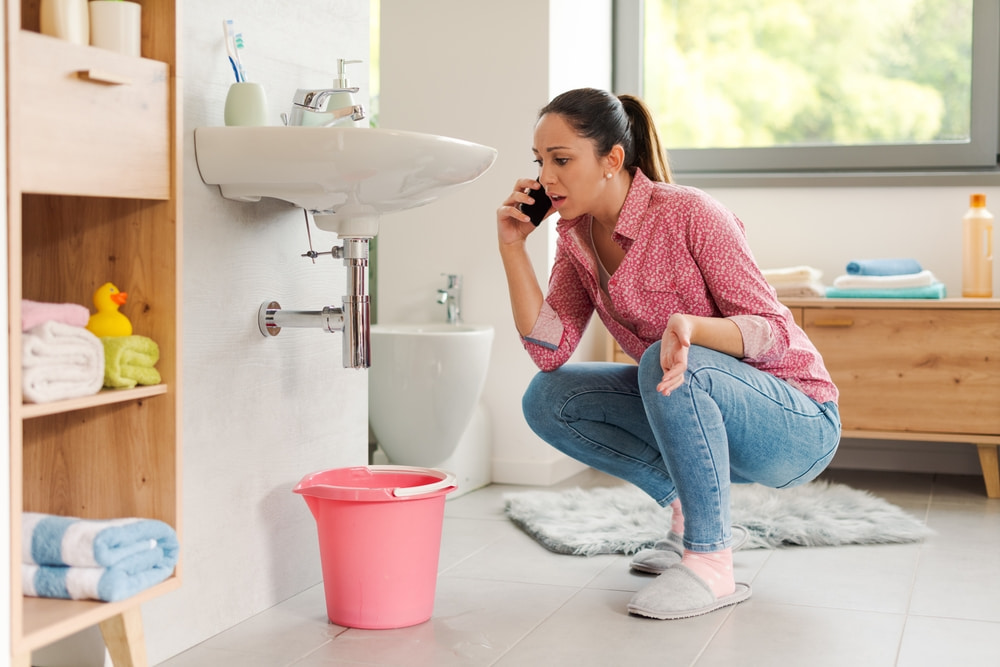
reliable emergency plumber in San Marcos, CA

Who should I call when I need a reliable emergency plumber in San Marcos, CA & the vicinity?

If a water-related emergency has put you and your loved ones in a tight spot, there is one team that is ready to pounce on a moment’s notice and come to your rescue. With Risk Free Serv at your beck and call, you can count on prompt reaction times, knowledgeable technicians who’ve seen it all and come out on top, and high-end equipment to deal with all emergencies, big and small.

Whether you’re looking for guidance on what not to do in case of mold growth, how to stop mold from invading your bathroom, or what you should do to ensure that your key water systems stay smooth-flowing, give us a call and we’ll furnish you with all the answers you’re looking for.

While the situation may look catastrophic right now, just drop by Double Peak Park and we’ll do our best to minimize the problems and welcome you in a dry and comfy home. Reach out to us today!
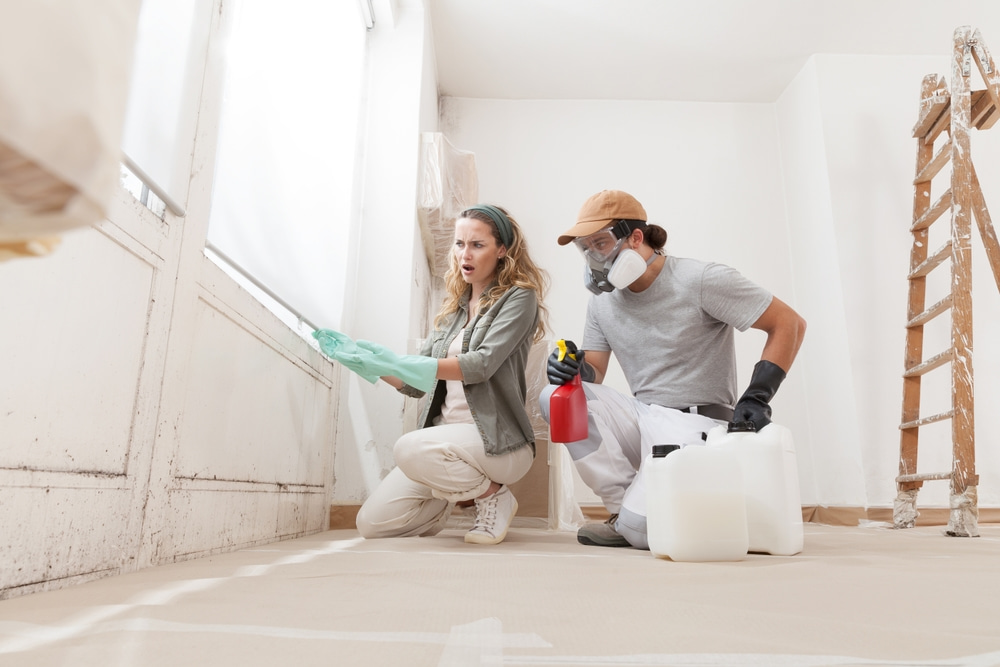
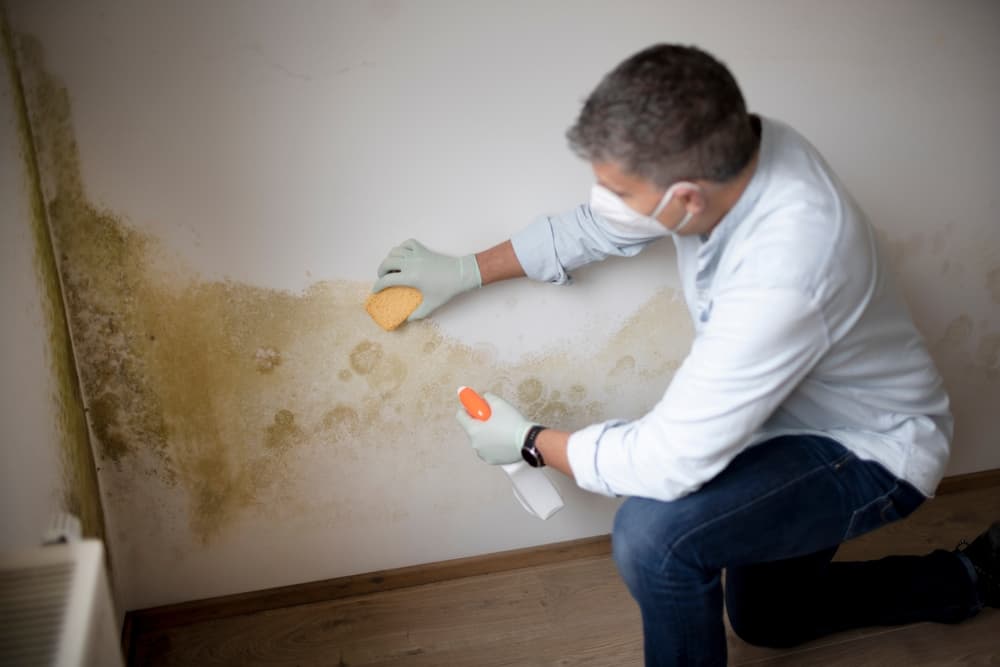
6 Costly Mistakes You Should Avoid When Dealing With Mold

Mold is more than just an unsightly nuisance; it poses serious health risks and can cause extensive damage to your home if not handled properly. Whether you’ve discovered a small patch of mold in your bathroom or a larger infestation in your basement, dealing with mold damage in San Marcos requires careful attention and the right approach. Unfortunately, many homeowners make critical mistakes when tackling mold issues on their own, often leading to further complications.

Understanding what not to do is just as important as knowing the right steps to take. In this blog post, we’ll explore common mistakes people make when dealing with mold, helping you avoid these pitfalls and effectively address the problem to ensure that mold issues get resolved safely and efficiently.

What not to do with mold?

Dealing with mold is a serious matter that requires careful attention and the right approach. By avoiding these common mistakes, you can protect your health, prevent further damage to your home, and effectively eliminate mold. Understanding the risks and taking appropriate action is key to ensuring a successful outcome., Act swiftly, hire a professional, and don’t let mold become a bigger problem than it needs to be.

1. Ignoring the problem

One of the biggest mistakes homeowners make is ignoring mold when they first notice it. Mold doesn’t just go away on its own—it spreads and worsens over time. What starts as a small patch can quickly grow into a significant problem, affecting large areas of your home and posing serious health risks. If you see any signs of mold, no matter how minor, it’s crucial to address it immediately.

2. Attempting to clean mold without proper safety gear

Many people underestimate the dangers of mold and try to clean it without wearing the proper safety gear. Mold spores can cause respiratory issues, skin irritation, and other health problems, especially in people with allergies or compromised immune systems. When dealing with mold, always act promptly and try to prevent exposure. 

3. Using bleach as a cure-all

Bleach is often touted as the go-to solution for mold removal, but it’s not always effective. While bleach can kill surface mold on non-porous materials, it doesn’t penetrate porous surfaces like wood or drywall. This means that the mold may appear to be gone, but the roots remain, allowing it to grow back.

4. Not addressing the underlying cause

Mold thrives in damp, humid environments, so it’s essential to address the root cause of the moisture problem. Simply cleaning up the mold without fixing the source of moisture will only lead to recurring issues. Common causes of mold include leaks, poor ventilation, and high humidity levels. Identifying and resolving these issues is crucial to preventing mold from returning. 

5. Failing to contain the area

When cleaning up mold, it’s easy to spread mold spores to other parts of your home if you don’t properly contain the area. Failing to do so can lead to mold infestations in previously unaffected areas, making the problem worse. Proper containment is key to ensuring that the mold cleanup is successful and doesn’t lead to further issues.

6. Attempting a DIY cleanup without professional help

Mold infestations require professional intervention—it’s as simple as that. Professionals have the tools, experience, and knowledge to effectively and safely remove mold from your home. Attempting to tackle a significant mold problem without professional help can lead to incomplete removal and lingering health risks.

dealing with mold damage in San Marcos, CA

Where can I find the leading professionals dealing with mold damage in San Marcos, CA & the area?

With high-tech equipment, experienced and detailed professionals, and the ability to answer your call without delay when the going gets tough, Risk Free Serve is your dependable safeguard against all types of water damage and emergencies.

If you want to inquire about the main causes of water emergencies in a home, how to stop mold from appearing in your bathroom, or how to keep your key water systems running smoothly, give us a call and we’ll provide you with all the answers you’re looking for and more.

Feel free to leave your home in our capable hands and spend a day fishing or enjoying the wildlife at South Lake while our pros get to the bottom of your mold issues. Just give us a call as soon as the emergency strikes and we’ll be there in no time at all to save the day. Get in touch with us ASAP!

Mold Remediation vs. Mold Restoration: What’s the Difference?

One of the most severe consequences of flooding or water damage is mold. Left unchecked, it can lead to many health issues and undermine the structural integrity of your house. You know the problem needs to be fixed and you can’t do it on your own, so you’ve decided to bring in a professional.

But which service should you book? Mold damage restoration or remediation in Rancho Bernardo? This article will tell you just that by explaining the essential differences between these two mold removal services. Read on!

What is the difference between remediation and restoration?

Although the terms remediation and restoration are often used interchangeably, they’re not the same. On the one hand, mold remediation usually involves the removal of the spores from the affected surfaces, which often requires professionals to discard the materials altogether. On the other hand, restoration is more extensive and includes repairs and replacement of the damaged areas to mitigate any structural damage in your house.

While knowing the basics of both services helps, what really matters is that you contact a professional as soon as you notice mold in your house, whether it was caused by a major flood or a plumbing issue that’s been ignored for years. Here’s what they’ll do when they arrive:

Assessment

In order to fix your water-damaged home properly or address the effects of a flood, a mold repair expert first needs to assess the situation. They thoroughly inspect your house to determine the extent of the infestation and identify the fungi in hard-to-reach areas, such as behind drywall and under rugs.

Stopping the water source

Once the assessment is complete, professionals will then address the source of the infestation, i.e., where the moisture is coming from. For instance, if it’s located behind your drywall, they’ll remove the material, so they can dry it more easily. Some of the equipment used during this step includes cameras, moisture meters, and infrared scanners.

Drying the affected materials

The next step is to set up industrial dehumidifiers and fans to dry the damp areas as fast as possible. This way, your remediation company will prevent mold from spreading and causing further damage. If they can’t dry some materials completely (e.g., mattresses), they need to be discarded to stop mold from affecting other areas.

While the experts are drying your place, they may also seal off certain areas. In some cases, this only includes opening windows and closing doors, whereas larger projects require them to isolate the affected rooms with a plastic sheet.

Mold removal

At this point, your technicians have set the stage for mold remediation. It’s typically performed with special vacuums, fungicides, and many other specialized tools and products to eliminate as much mold as possible.

Restoration (if requested)

If you also want your company to restore your house, they’ll typically do so by repairing or replacing the following areas and materials:

  • Interior and exterior walls
  • Floors
  • Ceilings
  • Drywall
  • Insulation
  • Wood trim
  • Carpets and rugs
  • Furniture
What is the difference between remediation and restoration

Looking for in-depth mold damage restoration & remediation in Rancho Bernardo? 

Dealing with mold is stressful, especially if you don’t have the right tools and skills to take care of the problem. If you don’t do it correctly, it’ll return and require more expensive repairs. Why not skip the hassle and take a break from all the work at the San Diego Zoo Safari Park while Risk Free Serv tackles the problem for you? Give us a call, and our IIRC-licensed technicians will diagnose your home with pinpoint accuracy. They’ll track down every bit of mold, even in hard-to-reach areas, and remove them with cutting-edge equipment. We also offer first-class restoration services to help return your house to its former glory. Book the finest mold repair team in Rancho Bernardo!

The Definitive Guide to Plumbing Emergencies

Plumbing issues are hard to predict and even harder to deal with, which is why you may panic if you have one in your house. Still, if you want to minimize the damage, you need to stay calm and reach out to an expert in emergency plumbing in Rancho Bernardo as soon as possible.

Once you get in touch, be sure to provide the company with a few key details to help them diagnose and fix the problem faster. In this article, you’ll find out what exactly you should tell your plumber in an emergency, so you can properly start the road to recovery. Keep reading!

What would be considered a plumbing emergency?

Any plumbing problem that’s so serious that it can cause rapid and significant damage to your walls, floors, fixtures, and the rest of your house is considered an emergency. Many issues can be classified as such:

  • Sewage backup
  • Burst pipe
  • Water heater leaks and failures
  • Overflowing toilet
  • Sump pump failure

What do you say when calling a plumber?

Whether the emergency was caused by a devastating flood in your area or water damage in your home that wasn’t addressed correctly, the first thing you need to do when you notice the problem is to call a certified plumber. Here’s what you should tell your provider to help them assess the situation more accurately:

Describe the problem

The most important thing your plumber needs to know is the nature of your problem. So, tell them why you’re calling them by describing the issue. This can be anything from loud noises coming from the system or a full-blown burst pipe. Provide as much information as possible (e.g.,) how much water is coming out), so they know what parts and tools they need to bring.

When you first noticed the problem

Not every emergency starts out as an emergency. Initially, you may have only noticed a dripping faucet or some other seemingly harmless issue that’s quickly escalated into a major accident. Be sure to inform your technician if this is the case. Tell them when you notice the first signs of the problem, which may help them determine if it’s had time to spread to other parts of your system.

Presence of mold

Mold might be the most notorious effect of plumbing emergencies. The longer it lingers in your house, the greater the threat of structural and health issues. That’s why you should notify your provider about any overpowering smells in your home. This potentially tells your plumber if you need professional mold remediation and restoration since one of the tell-tale signs of mold infestation is strange odors.

Attempted DIY repairs

If you’re used to DIY repairs, it might have been tempting to try to fix your plumbing problem yourself. This is another crucial detail your plumber should be aware of. Describe exactly what you did. If you’ve made their job easier, great, but if not, you might have aggravated the issue, which often requires technicians to use heavy-duty equipment.

What do you say when calling a plumber

Need 24/7 emergency plumbing in Rancho Bernardo?

A plumbing disaster can strike at any moment, be it in the middle of the night or just as you’re getting ready for another adventure at Ramona Grasslands Preserve. At these dire times, it’s key to have a reliable plumber by your side who can fix the issue quickly and safely. That’s where Risk Free Serv comes in.

Whether you have a leaky or burst pipe, an overheating water heater, or any other accident, contact us, and we’ll be at your doorstep as soon as possible. Once we arrive, we’ll immediately start diagnosing and fixing the problem with high-grade equipment, so you can get back to normal life. Plus, our emergency services are available 24/7 for your peace of mind. Book the finest plumber in Rancho Bernardo and beyond!

5 Best Methods to Deal With Water Damage

Water damage can come from many sources. For example, your air conditioning might be leaking, your toilet may back up, or a pipe may be leaking inside of your walls, allowing moisture to spread throughout your house. 

Whatever the cause, you need reliable water damage restoration in Rancho Bernardo to get back on track. But how does this process work? You’ll find out right here! Coming up are the top 5 methods to address water damage. Keep reading! 

Can water damage be fixed in a house?

Yes. Water damage can be fixed in any house if you take the right approach. But this doesn’t mean you should try to repair your house yourself. Instead, bring in professionals who know how to deal with the issue properly. Besides drying the place, they’ll also rid your home of mold to help eliminate safety hazards and restore your property to its former condition.

What is the best way to fix water damage?

Here are the best ways to fix various types of water damage, whether it comes from a burst pipe or any other plumbing problem:

1. Extract moisture

The best way to prevent long-term damage is to dry your house. You shouldn’t have a hard time doing so if you’re dealing with a small leak, but make sure you’re thorough, no matter how severe the problem seems. Circulate air with fans and rent high-capacity dehumidifiers to remove any moisture from carpets, wood, and other surfaces.

2. Focus on your ceilings

All parts of your home are in harm’s way during a plumbing emergency, but no area is at a higher risk than the ceilings. If exposed, they can easily sag or collapse, requiring extensive renovations. So, the first thing you should do if you have a damp ceiling is to determine the cause. Whether a missing roof shingle or poor ventilation is the problem, patch it up to speed up the restoration.

3. Discard damp porous materials

If a porous material is soaked, it probably needs to be cut out and thrown away. That’s because water damages these items by warping and shrinking them, making them no longer suitable for your house.

Here are some of the surfaces you should consider discarding if they’re waterlogged:

  • Fabrics
  • Insulation
  • Carpets
  • Cardboard

4. Disinfect after cleanup

After removing affected materials, disinfect your house before you start the restoration. Bleach should be your go-to option because it can easily kill most contaminants associated with water damage, including mold and mildew. Dilute it with some water, spray it or apply it with a brush, and wipe it down to sanitize each surface.

5. Replace drywall and siding

Like ceilings, your drywall and siding can suffer enormous water damage. Replacing them will help restore the structural integrity of your home and make it more resilient to future accidents, such as ice dams. When it comes to drywall specifically, you want to replace the entire sheet if it’s sagged or swelled at least 3/8 of an inch from the baseline.

What is the best way to fix water damage

Need top-quality water damage restoration in Rancho Bernardo?

Having experts by your side is your main priority when dealing with water damage. However, you shouldn’t hire just about anyone. Only work with an experienced professional with a proven track record of fixing water-damaged homes. That’s where Risk Free Serv comes in. Give us a call, and we’ll be at your house as soon as possible. After assessing the situation, we’ll use cutting-edge equipment and proven methods to dry your place and return it to its former glory. Once we take over, you won’t have to worry about moisture, mold, and any other related issues, allowing you to hike, fish, or kayak at Lake Hodges in peace. Book your service today!