Uncategorized

5 Telltale Signs That You Need Mold Remediation

Mold is one of those household problems that can sneak up on you fast. One day everything looks fine, and the next you’re wondering if that spot on the ceiling is just a stain or the early signs of something much worse. Mold isn’t just an eyesore; it’s a health hazard and a structural threat if left unchecked. But how do you really know when it’s time to call in the pros for mold remediation?

In today’s article, we outline the clues you need to look for to avoid dealing with a developed and stubborn mold colony that just won’t go away. While timely water damage cleanup in Carmel Valley can go a long way in stopping mold in its tracks, sometimes it’s too late, and you have to move on to the mold remediation stage. But when is that, we hear you asking? Let’s delve deeper.

How do I know if I need mold remediation?

Mold problems don’t go away on their own. In fact, they get worse—and fast. If you notice any of the warning signs, don’t brush them off or hope for the best. The longer you wait, the more damage mold can do to your home, your health, and your peace of mind. So if your gut’s telling you something’s off, trust it, and call in the experts.

1. You can smell a musty odor

One of the first giveaways of a mold issue is that classic musty, damp smell. It’s not always visible at first, but your nose knows when something’s off. If certain areas of your home smell like an old basement or wet socks, especially after it rains or in humid spots like the bathroom, laundry room, or basement, there’s a good chance mold is lurking behind the scenes.

Even if you can’t see anything yet, persistent musty odors mean there’s excess moisture, which mold thrives on. This is a red flag that shouldn’t be ignored.

2. There are visible signs of mold growth

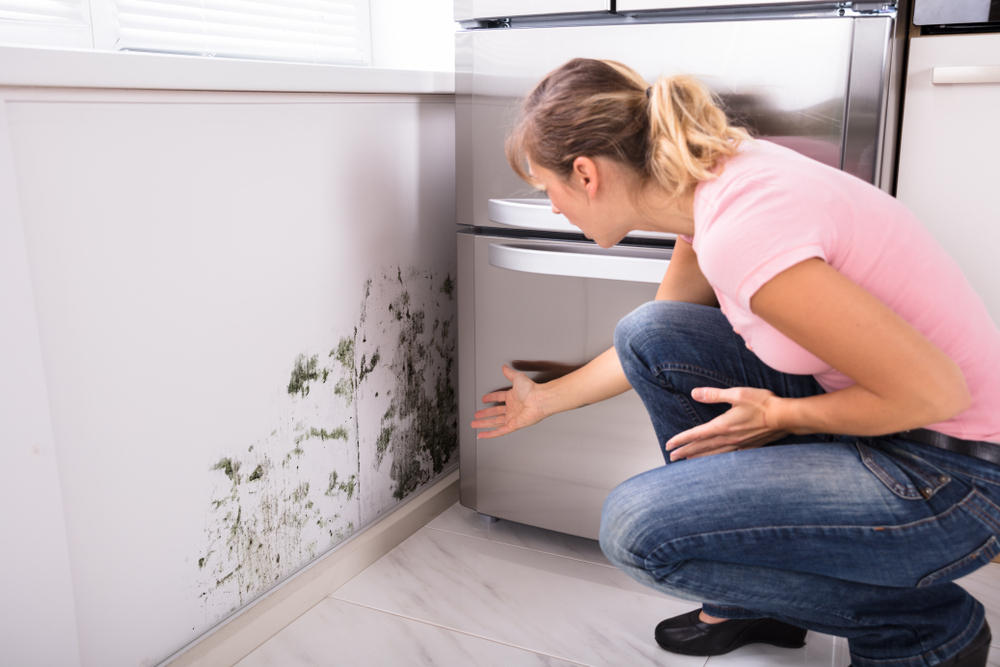
Let’s break it down: not every dark spot on the wall is mold, but it’s still worth checking out. Mold can be black, green, white, or even orange, depending on the surface and the type. It often shows up on drywall, ceilings, windowsills, and around HVAC vents.

You may see fuzzy patches, stains that seem to grow over time, or spots that keep coming back no matter how much you scrub. If mold is spreading or reappearing, surface cleaning alone won’t cut it—it’s time for professional remediation.

3. You’ve had recent water damage or flooding

Mold loves moisture. If your home has recently dealt with flooding, pipe leaks, roof damage, or even a slow drip under the sink, you’ve got prime mold-growing conditions. Mold can start developing in as little as 24 to 48 hours after water intrusion.

Even if the area looks dry now, water can seep behind walls and into materials like wood and insulation. That’s where mold can grow undetected. If you’ve had water damage and didn’t do a full dry-out with fans and dehumidifiers, a mold inspection is highly recommended.

4. Allergies or respiratory symptoms are getting worse

Mold doesn’t just affect your home—it affects your health. If you or your family are suddenly experiencing more allergies, sneezing, coughing, itchy eyes, or even asthma flare-ups, mold could be the culprit. And here’s the kicker: these symptoms often get worse at home and improve when you leave.

Even if you’re not super sensitive to mold, prolonged exposure can cause issues over time. Anyone with respiratory conditions, a weakened immune system, or small kids should steer clear of mold exposure as much as possible. Health symptoms are a major indicator that it’s time to bring in the mold pros.

5. Discoloration or peeling on walls and ceilings

You might not see mold directly, but bubbling paint, peeling wallpaper, warped drywall, or unexplained stains can all be signs of moisture damage, and where there’s moisture, mold might not be far behind.

These signs usually mean that moisture is trapped behind the surface, creating the perfect breeding ground for mold. A mold remediation expert can use tools like moisture meters and infrared cameras to detect hidden issues you can’t see with the naked eye.

How do I know if I need mold remediation

Who specializes in methodical water damage cleanup in Carmel Valley, CA & the area?

Need help spotting mold before it gets out of hand? Want to stop mold from coming back? No worries! Risk Free Serv is primed and ready to start applying the fix ASAP. We’ll come armed with the latest technology and professional tools, bring a team of experienced specialists, and get down to work without delay. Time is of the essence in water damage, plumbing, and mold emergencies, so don’t waste time before calling professionals.

Give us a call, and you’re free to leave the home, catch some fresh air at Garland Ranch Regional Park, and spend quality time with your loved ones while we get to the bottom of your mold issues. Contact us now!

Why Mold Keeps Coming Back and How to Stop It

You scrub it, you spray it, you even rip out the drywall. But no matter what you do, the mold comes back, again and again. It’s not just frustrating; it can feel like your home is fighting against you. When mold keeps reappearing, it’s a clear sign that the root cause hasn’t been fully addressed. And more often than not, that root is tied to lingering moisture issues hidden beneath the surface. 

Recurring mold is a warning sign that something deeper is wrong. And while calling in specialists in water damage repair in Carmel Valley is essential, knowing what to look for can help you spot the early signs and understand when it’s time to bring in the pros. The more you understand about why mold keeps coming back, the better equipped you’ll be to stop it – for good.

What does it mean when mold keeps coming back?

When mold keeps returning, it’s a signal that something deeper is going on beneath the surface. Scrubbing mold away without treating the conditions that feed it is like mopping up water without fixing the leak. 

Moisture is a prime reason

The number one reason mold returns is moisture that never fully dried out. This could be the result of a slow leak, high humidity, poor ventilation, or water that was never properly removed after a flood or spill. Even a seemingly dry wall or floor can harbor trapped moisture behind the surface, especially in porous materials like wood, drywall, or insulation. Mold spores are always present in the air, just waiting for the “right” conditions in the form of moisture and warmth to settle in and grow.

Treating symptoms and not the source

Using store-bought cleaners or even bleach may kill surface mold, but it doesn’t eliminate mold roots embedded within materials. In porous surfaces, mold acts like a weed, sending filaments deep below what you can see. Wiping the top is just like mowing the lawn when you need to pull the roots. If your home wasn’t professionally dried and inspected after water damage, it’s likely that the source of the problem was never fully removed.

Airflow and humidity are working against you

Even after a leak is fixed, many homes continue to suffer from poor ventilation or trapped humidity. Bathrooms without exhaust fans, laundry rooms without airflow, or even basements that stay musty can all create a damp environment that mold loves. When these conditions aren’t corrected, mold will return like clockwork, often in the same spots you just treated.

Structural materials may be compromised

If mold is coming back in the same area, the building materials themselves may now be contaminated. Wood, drywall, insulation, and carpeting can hold onto mold spores even after surface cleaning. This is especially true if the materials weren’t fully dried or replaced after the initial water incident. Once contaminated, they often need to be professionally removed and replaced to stop the cycle for good.

How to get rid of mold if it keeps coming back?

Traditional cleaning methods just don’t cut it if you notice that mold keeps reappearing. To truly stop the cycle, you need a multi-layered approach – one that goes beyond surface-level fixes and tackles the environment mold depends on. Here’s how to break the cycle once and for all.

Step 1: Identify the moisture source

The first step is also the most critical – find out where the moisture is coming from. It could be a leaky pipe under the sink, condensation on poorly insulated walls, water seeping in through a foundation crack, or even humidity from daily living that has nowhere to escape. This often requires a thorough inspection, sometimes with moisture meters or infrared cameras, to locate hidden damp spots that aren’t visible to the eye.

Step 2: Repair and dry the area completely

Once you’ve identified the issue, it’s time for full water damage repair. That means fixing leaks, replacing wet insulation, and removing any materials that can’t be salvaged. Simply drying the surface isn’t enough because the area has to be completely moisture-free to prevent mold from returning.

Professional-grade drying equipment, such as dehumidifiers, air movers, and HEPA air filters, can help ensure that no residual dampness lingers. This is one of the most overlooked but essential parts of long-term mold control.

Step 3: Professional mold remediation

If mold has returned more than once, it’s a sign that professional mold remediation is needed. This goes far beyond cleaning with bleach or vinegar. Mold remediation involves isolating the contaminated area, using negative air pressure, and removing or treating affected materials using antimicrobial agents. Professionals will also ensure the air is properly filtered during cleanup so spores aren’t spread to other areas of the house.

Always look for a licensed and certified team with experience handling mold in structures with previous water damage. A good remediation plan will correct the conditions that allowed it to take hold.

Step 4: Improve ventilation and control humidity

Once the mold is gone, prevention is key. That means upgrading bathroom fans, adding ventilation to moisture-prone areas, or installing a whole-home dehumidifier if necessary. Humidity levels should stay below 60% (ideally around 40% to 50%) to prevent mold from thriving again.

You can also add vapor barriers in crawl spaces, seal windows and doors, and reroute drainage outside your home to keep moisture where it belongs.

Step 5: Monitor and maintain

Stopping mold is an ongoing process. Regularly check high-risk areas like basements, attics, behind appliances, and under sinks. Keep an eye out for musty smells, condensation, or discoloration. Even with proper repairs and remediation, mold can return if conditions slip back into its favor.

Preventative maintenance is your long-term defense. Consider having a professional inspection once a year, especially if your home has a history of water damage.

How to get rid of mold if it keeps coming back

Who are the go-to experts for water damage repair in Carmel Valley & beyond?

Mold doesn’t wait – and neither do we. As a full-service restoration team, Risk Free Serv offers comprehensive solutions that go beyond surface-level fixes. From moisture detection and full structural drying to certified mold remediation, we handle the entire process with precision and care. 

Our 24/7 emergency response ensures that when timing matters most, we’re already on the way. Whether it’s a recurring mold issue in your property near Carmel Valley Restoration Center or an urgent water damage emergency in another part of the city, we’re here to restore your home and peace of mind.

Unexpected Places Mold Can Grow in Your Home

Most people think they know what mold looks like – creeping up shower tiles, darkening basement walls, or lingering behind the washing machine. But mold doesn’t always show up where you expect it. In fact, some of the worst infestations start in places you’d never think to check like inside air vents, behind wallpaper, even tucked away in forgotten closets. 

Before you reach out to professionals for water damage restoration in Carmel Valley, it helps to understand where mold hides – and how to spot it early.

Where is mold found in houses?

While the usual suspects get all the attention, mold often thrives in lesser-known places – quiet corners of your home that rarely get inspected. These spots can harbor moisture from past leaks, condensation, or just poor ventilation, all without raising immediate red flags. The good news? Once you know what to look for, you can start identifying these problem areas before they spiral out of control.

1. Inside HVAC systems and air ducts

Your HVAC system circulates air throughout your home, but it can also spread mold spores if it’s contaminated. Mold can grow inside ducts, especially if there’s excess humidity, condensation, or a clogged drain pan. Since ducts are dark, narrow, and rarely inspected, mold can linger for months unnoticed.

You may first catch a whiff of it when the system kicks on – a musty odor that seems stronger in certain rooms. In more serious cases, you may even see dust that looks slightly discolored around vents. Regular maintenance and professional duct cleaning can help prevent this, especially in older homes or systems that haven’t been serviced in years.

2. Behind wallpaper or wall art

Wallpaper is a perfect hiding spot for mold, especially in bathrooms or kitchens where steam is common. The paper traps moisture between itself and the wall, creating a moist environment that mold loves. Even rooms that seem dry can harbor mold if the wall was ever exposed to leaks or high humidity.

The tricky part is that mold behind wallpaper usually isn’t visible until it’s too late. Bubbling wallpaper, slight discoloration, or a strange smell can be your only clues. If you’re planning to redecorate or paint, it’s worth peeling back a corner in suspect areas to check what’s happening underneath.

3. Underneath flooring and carpeting

Hardwood, laminate, and especially carpet can conceal mold after even minor water exposure. A small spill or unnoticed leak from a nearby pipe can seep under the surface and soak into the subfloor, creating a hidden breeding ground.

You might not notice anything until you walk across the area and feel a slight squish or sag, or you catch a musty smell that cleaning just doesn’t get rid of. If flooring feels warped or carpets seem to attract moisture, it’s worth lifting a section to take a look. Mold under floors is especially important to address early, since it can weaken structural integrity over time.

4. Inside cabinets and under sinks

Bathrooms and kitchens are known mold zones, but the interiors of cabinets and the space under your sink often get overlooked. These areas are typically dark and poorly ventilated, which means even a small plumbing drip can become a long-term issue.

If you store cleaning supplies, dish soap, or other moisture-trapping items under your sink, check for signs of mold on the cabinet base or walls. Staining, soft wood, or peeling finishes are all signs that water has been sitting there for a while. Where there’s lingering moisture, mold isn’t far behind.

5. Inside closets and storage spaces

Closets might seem safe, but because they’re closed off and often crammed with clothes, boxes, and linens, air doesn’t circulate well. If a closet is placed against an exterior wall, it’s even more vulnerable – temperature differences can cause condensation, especially during the cooler months.

Check the corners and behind stored items for mold or dampness. If you notice that clothes or bags come out smelling musty, that’s a clear signal. Even small preventative steps like opening closet doors regularly or placing moisture absorbers can go a long way in avoiding issues here.

6. Around window frames and sills

Condensation is common on windows, particularly in older homes or areas where the weather fluctuates. When that moisture drips down and sits on sills or gets trapped in the window frame, it creates the perfect environment for mold.

If your windows fog up frequently or if the wood around the frame feels soft or appears discolored, you may have a problem. Mold here often looks like black or green streaks along the seams or corners. Make it a habit to dry condensation and check frames regularly, especially in rooms with high humidity levels like bedrooms or bathrooms.

7. In attics and crawl spaces

These are perhaps the most forgotten parts of the home, but they’re mold magnets, particularly when there’s poor ventilation or a previous roof leak. In attics, insulation can trap moisture, and wood beams or roof decking can absorb it over time. Crawl spaces often experience ground moisture seeping upward, which can go unnoticed for years.

Signs of mold here include dark staining on wood, damp insulation, or even a musty smell that seeps into the rooms above. If your attic has poor airflow or if your crawl space isn’t sealed, both are worth inspecting annually. Installing a dehumidifier or improving airflow can help prevent long-term issues.

reliable professionals for water restoration in Carmel Valley

Where can I find reliable professionals for water restoration in Carmel Valley & the vicinity?

Mold spreads fast and can compromise your home’s structure and air quality if left unchecked. That’s why reacting within the first 24 hours of discovering water damage is so essential. Our team specializes in comprehensive mold remediation, addressing both the visible growth and the underlying moisture issues that caused it. 

As the highest-rated water damage restoration company in Monterey County and beyond, Risk Free Serv moves quickly to identify problem areas, eliminates mold at the source, and implements strategies to stop mold from returning. If you suspect issues in your home, don’t wait – reach out and let us help you protect your space before the damage grows deeper.

How to Deal With Mold on Hardwood Floors

Moisture can easily seep into your hardwood floor and create perfect conditions for mold growth, which can turn into a serious issue because it not only damages the wood but can also pose health risks, especially if you or a family member has allergies or respiratory problems. Mold usually forms when moisture is trapped under or on the wood surface. 

However, what’s important is that you identify the source and look for any signs of water damage around the affected area so you can address the root cause and effectively remove mold from wood floor. While reaching out to reliable experts in Mira Mesa is highly recommended to make sure there’s no trace of mold left behind, today we share effective tips on how to deal with it

How do you tell the difference between water damage and mold on hardwood floors?

While water stains don’t always indicate the presence of mold, they can encourage its growth if left unchecked. Here’s what’s important to be aware of:

Appearance

Appearance is often the first clue. Water damage usually causes discoloration, ranging from light spots to dark stains. It can also lead to warping, buckling, or cupping, where the edges of floorboards rise while the center dips. In contrast, mold on wood floor often looks like black, green, or white patches. It can appear fuzzy or powdery and typically spreads in irregular patterns.

Changes in texture

Water-affected wood may feel soft, spongy, or warped, while moldy areas can feel rough or grainy. If the wood is still structurally sound but has unusual spots, mold could very well be the culprit. 

Odor

While water damage tends to bring a musty smell due to trapped moisture, mold usually has a stronger, more pungent, earthy odor. If you notice the smell lingering even after the area dries, it’s a sign that mold could be present.

Testing for mold

You can use a mold testing kit to confirm your suspicions or consult a professional to check and clean mold off floor. When it comes to water damage, you can look for signs of moisture with a moisture meter. If the readings are high, it means there’s an ongoing water exposure.

How to get mold out of wood floor?

It takes a careful approach and detailed cleaning to remove mold from wood floor and protect both the wood and your health. If the affected area is small, you can try tackling it yourself, but for larger infestations, it’s best to call a professional. 

  • Step1 – Protect yourself. Mold spores are harmful when inhaled. That’s why it’s important to wear goggles, gloves, and an N95 mask to protect yourself while cleaning. Make sure you open windows and doors for ventilation.
  • Step 2 – Clean the surface mold. Start by vacuuming the affected area using a vacuum with a HEPA filter to capture mold spores. Next, mix a cleaning solution of one part white vinegar and three parts water. Don’t use bleach as it can damage the finish without fully killing the mold roots.
  • Step 3 – Scrub gently. Use a soft brush or cloth to scrub the moldy area in circular motion. Be thorough but gentle to avoid damaging the wood. If the mold still persists, try applying hydrogen peroxide (3%) and let it sit for 10 minutes before scrubbing again. 
  • Step 4 – Sanding. If the mold has penetrated deep into the wood, you may need to lightly sand the area to remove what has seeped beneath the surface. After sanding, wipe the area clean and apply a wood-safe antifungal treatment to prevent regrowth.
  • Step 5 – Dry thoroughly. Mold thrives in moisture, so it’s essential to dry the area completely. Use fans or a dehumidifier to speed up the drying process. 

To prevent it from returning, make sure you fix any issues such as poor ventilation or leaks, regularly inspect for black mold on your wood floor and for signs of water damage, and promptly address any spill. 

What is the best mold killer for hardwood floors?

When it comes to killing mold on hardwood floor, choosing the right cleaner is an essential step to ensure optimal results without damaging the wood. Not all mold killers are safe for hardwood, so it’s important to use products that are both effective and gentle. 

  • White vinegar is a popular, natural option. It’s acidic enough to kill most mold species and is safe for wood when diluted. Mix the aforementioned solution and apply it to the affected area, making sure to let it sit for an hour before wiping it clean. This method works well for surface mold and is non-toxic. 
  • Hydrogen peroxide (3%) is another effective solution. It penetrates the wood’s surface, killing mold spores on contact. Apply it directly to the mold, let it sit for 10 to 15 minutes, use a soft brush to scrub gently. It also helps to lighten any mold stains without causing wood discoloration. 
  • For tougher problems, commercial mold removers designed specifically for wood surfaces are available. Look for products labeled “wood-safe” or “fungicidal”, as these are specially formulated to kill mold without damaging the finish. Always follow the manufacturer’s instructions and test a small area first.

Whichever option you choose, drying the floor thoroughly after treatment is crucial to prevent future mold growth.

How to get mold out of wood floor

Where can I find reliable experts for mold hardwood floor water damage in Mira Mesa & beyond?

Whether you’re looking to minimize water damage on your hardwood floors, you’re curious to learn more about how to identify and address water damage early, or wondering what different types of water damage there are, reach out to Risk Free Serv. With years of experience and a trusted crew of professionals, we’re here to give you the peace of mind you deserve. No matter if you need us in Mira Mesa or across SD, you can count on our experts to deliver exceptional service every time. Get in touch with us today and find out why we’re the best at what we do!

How To Dry Wet Hardwood Floors to Minimize Damage

While hardwood floors can be a gorgeous addition to your home, they can also be extremely susceptible to damage in case of water-related accidents. Be it an overflowing toilet, broken pipes, or a leaky roof, your flooring can quickly become warped and susceptible to mold if not addressed on time. 

Understanding how to dry hardwood floors and how best to react when such situations occur can help you minimize the extent of damage at your Mira Mesa home. That’s why today, we share this comprehensive guide on how to save your hardwood floors in case of flooding of any kind. Read on. 

How to dry out hardwood floors after a flood?

While the best course of action is to immediately contact professionals, there are steps you can take until they arrive. Don’t forget that even if your floor is finished, it doesn’t mean it’s entirely resistant to moisture, so have a look at these tips on how to dry out hardwood floors:

Clear out the area

Whether you need help on how to dry hardwood floors after a leak or another water-related accident, start by taking out all rugs and furniture from the affected area. They soak up moisture and can release it back onto the wood, rendering the drying process more difficult. If possible, take them out and place them in a sunny spot to dry. Otherwise, set them on a durable surface such as tile or concrete.

Remove excess water

Soak up as much water as possible. Use a mop, towels, or rags to get rid of visible moisture. However, make sure you thoroughly wring out and clean these afterward. Once you’re done, you can use a wet vacuum to remove any hidden moisture as water can easily get under hardwood floor. If you don’t have one, you can find it at home repair stores or leave it to the pros to deal with hardwood floor water extraction.

Disinfect the surface

Once excess water is removed, use a gentle brush to apply a disinfectant that doesn’t produce suds. Let it sit as instructed on the label, then use a well-rung mop to rinse. Finish off with a wet vacuum or dry cloth to remove any remaining moisture.

Dry out the area

Even in case the surface seems dry, don’t forget that moisture can seep deep within wood. That’s why, to dry wet hardwood floor, it’s important to use a professional-grade dehumidifier and place it in a central spot, running for at least 24 hours. 

You can also position a few large fans to increase airflow while the dehumidifier operates. If the weather allows, open doors and windows slightly to help any additional moisture escape.

What causes black stains on hardwood floors?

Black stains can stem from several causes, including moisture, heat, and chemical reaction. For example, oakwood naturally contains high amounts of tannic acid which reacts with moisture, resulting in black spots and your hardwood floor getting darker. Understanding the cause can help your specialists in hardwood floor water damage repair in Mira Mesa take the right approach to dealing with this issue depends on the actual cause:

  • Mold and mildew: Damp conditions are a breeding ground for fungi that can weaken the wood and leave black stains.
  • Water damage on wood floor: If water from rain, spills, or another source stays on the wood for a long period of time, tannins and minerals react, which results in dark stains.

How to fix water damaged wood floor?

When you’ve dealt with water and moisture, you can take further steps to fix the floor. However, these steps depend on the extent of wood floor water damage. Here’s how to handle some common issues:

  • Assess the damage: Evaluate the severity of the damage. Minor warping or staining may only require refinishing, while severely buckled or rotted boards might need to be replaced.
  • Sand and refinish: For minor warping, once the floor is dry, use a sander to smooth out raised areas. After sanding, restrain and reseal the wood to blend it back with the rest of the floor. 
  • Replace damaged boards: If some planks are beyond saving, carefully remove them and cut and install new boards of the same type, making sure they fit snugly. Secure them with nails or adhesive, then stain and seal to match the surrounding floor.
  • Prevent future damage: Once everything looks good again, take steps to avoid repeat disasters. Use a good sealant, fix leaks promptly, and consider adding area rugs in high-risk spots.

When it comes to swollen wood floor, one of the most common reasons is humidity. Luckily, it only takes a few simple steps to fix water damaged swollen wood floor. First, lay some thick towels over the affected area and run a dehumidifier to eliminate any excess moisture from your home’s ventilation system. Finally, run an upright vacuum over the area until the surface goes down again.

How to treat discolored hardwood floor after water damage?

Sanding can help remove any surface stains. However, if the discoloration persists, you can try applying an oxalic acid wood bleach to lift the stains, just make sure to follow the manufacturer’s instructions. After treating the stains, thoroughly clean the area and allow it to dry completely. Once dry, restrain the wood to match the surrounding flooring, and then apply a protective finish to seal the surface. This will help restore the appearance and protect the wood from future damage. 

What causes black stains on hardwood floors

Looking for trusted specialists in wood floor water damage repair in Mira Mesa & the vicinity?

If you want to make sure you identify water damage early on, you’re curious to learn more about the different types of water damage, or need help dealing with mold on your hardwood floors, Risk Free Serv is your go-to team. We apply cutting-edge equipment and time-tested methods to take detailed care of your home and ensure the safety of your family. Whether you need us around Mira Mesa Senior High School or in another nearby neighborhood, we’ll reach you promptly to deliver premium-quality service. Call today!

Understanding the Different Types of Water Damage and Their Impact on Your Home

Water damage can range from minor inconveniences to major structural issues, depending on the source and extent. Understanding the different types of water damage can help homeowners take the right steps to address the problem and prevent further complications. 

For residents seeking professional help, water damage restoration in Mira Mesa offers expert services to repair and restore homes affected by water issues. In this guide, we’ll explore the various types of water damage and their impact on your home.

What are the types of water damage?

Whether it’s caused by a leaky pipe, a natural disaster, or poor drainage, each type of water damage presents its own set of challenges.

1. Clean water damage

Clean water damage is typically caused by a source of water that is free from contaminants. Common causes include burst pipes, leaking faucets, or an overflowing sink or bathtub. Although it’s less hazardous compared to other types of water damage, it can still lead to significant structural issues if not addressed promptly. If left untreated, it can escalate into more serious problems, such as mold growth or secondary damage from evaporation.

Impact on your home: If water seeps into flooring, walls, or furniture, it can weaken these structures over time, potentially leading to mold and mildew growth. Hardwood floors, for example, can warp and buckle from prolonged exposure to moisture, and drywall may weaken or degrade.

2. Gray water damage

Gray water damage comes from sources of water that may contain contaminants but are not hazardous to health unless left untreated. Sources of gray water include dishwashers, washing machines, or toilets that don’t carry waste. While gray water is less dangerous than black water, it still poses risks due to the presence of bacteria, soaps, detergents, and chemicals.

Impact on your home: It can cause more significant damage to your home’s infrastructure than clean water, as the contaminants can lead to unpleasant odors and an increased risk of mold and mildew growth. Left unchecked, it can seep into carpets, insulation, and wood, leading to deterioration and health risks for residents.

3. Black water damage

Black water is the most dangerous type, as it comes from contaminated sources like sewage backups, floodwaters, or water from rivers or streams. This type of water is hazardous and can contain harmful bacteria, viruses, and other pathogens that pose serious health risks. It requires immediate attention and professional intervention to prevent serious health consequences.

Impact on your home: It can cause widespread destruction to your home’s structure. It may contaminate porous materials like carpeting, drywall, and upholstery, which often need to be replaced to prevent health risks. It can also seep into HVAC systems and other hard-to-reach areas, further spreading contamination. Aside from the immediate health risks, black water can also lead to long-term structural damage, requiring extensive repairs to restore your home.

4. Flood damage

Flood damage typically occurs due to external factors such as heavy rain, snowmelt, or coastal flooding. It involves large amounts of water entering your home, often from the ground up. Floodwaters are usually contaminated and often categorized as black water, making them particularly dangerous to both your home and health. Flood damage can result in long-term issues, including mold growth, waterlogged furniture, and significant structural damage.

Impact on your home: Flood damage is one of the most severe types. It can weaken the foundation of your home, warp or destroy flooring, and compromise electrical and plumbing systems. Extensive flooding often leads to the need for complete restoration and remodeling of affected areas, including the removal of carpets, drywall, and other water-damaged materials. Mold and mildew growth is common in flood-damaged homes, which can further compromise your living environment.

water damage restoration mira mesa

5. Storm Damage

Storms, such as hurricanes, tornadoes, or strong thunderstorms, can cause water damage both inside and outside your home. Wind-driven rain, hail, and even the backup of gutters can cause water to infiltrate through windows, roofs, and other openings in the home. Storm damage is often a mix of both water and wind-related issues, and its impact can vary greatly depending on the severity of the storm.

Impact on your home: Storms can cause significant leaks in your roof or damage to windows and doors, leading to water entering your home. If your basement floods due to heavy rain, or your roof gets damaged by strong winds, the water can seep into walls and flooring, weakening the structure and encouraging mold growth. In some cases, it may also lead to long-term issues like electrical system failures or foundation problems.

Who provides trusted water damage restoration in Mira Mesa?

Whether you’re dealing with water damage in your basement or wondering if you really have to dispose of everything after a flood, Risk Free Serv can help. With years of experience and a highly trained team, we’ll take proper care of your property and help you get back on your feet as soon as possible. Whether your home is in Mira Mesa or across SD, we’ll be there to help. Give us a call today!